Adoptujte Ho trovato un cerbiatto abbandonato, cosa devo fare
Kříženec · Neznámo · Štěně · 4 měsíce
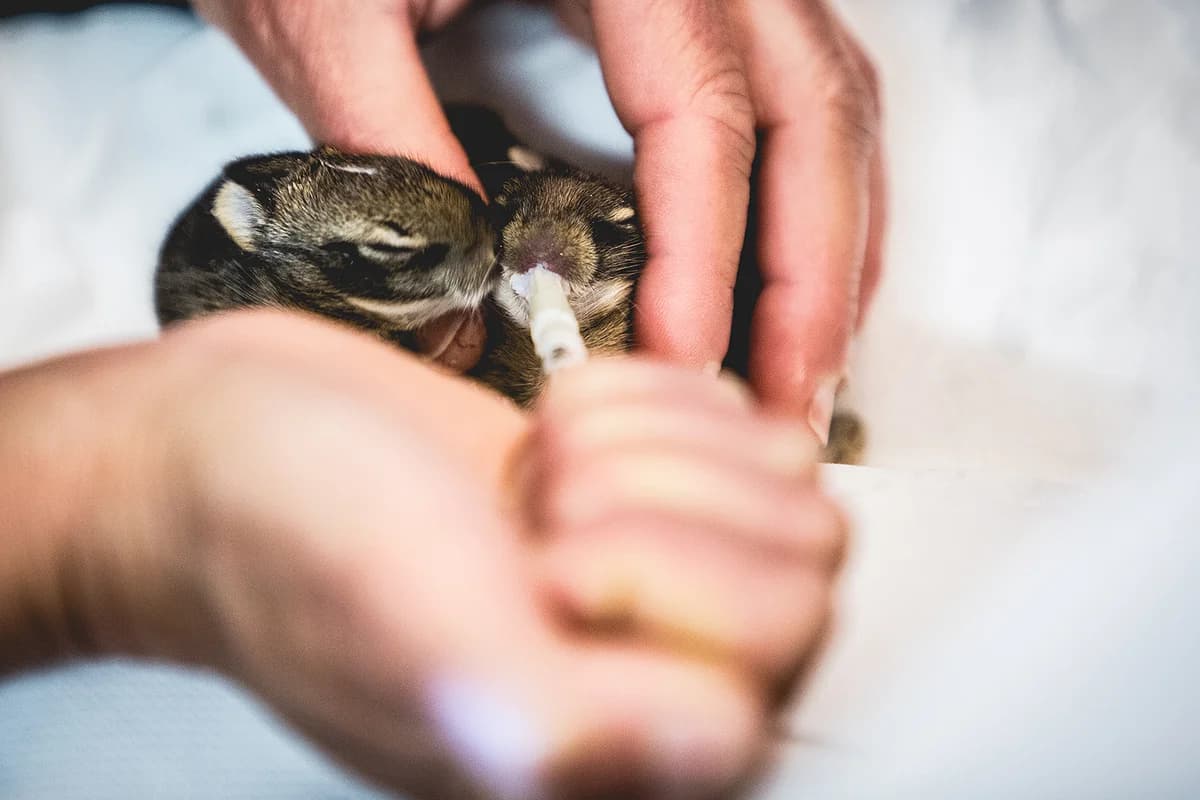
Začněme tím, že „cervetta“ je běžné slovo pro označení mladého jeleně, ale jelenci v našem regionu (provincie Novara) jsou velmi vzácní. Pravděpodobně jste se během procházky v lese nebo venkova setkali s mladým jeleně roháčem nebo černým jeleně. Často se stane, že bez zlé vůle se při pokusu o pomoc zasaženému divokému zvířeti podnikne špatné rozhodnutí. Pokud jste tento článek objevili, abyste zjistili, co dělat, přečtěte si jej pečlivě, než se rozhodnete zasahovat. Našli jste samotného roháče nebo černého jeleně v lese nebo na louce. Mladí roháci / černí jeleni / jeleni nemají pach a proto nepřitahují predátory. Z tohoto důvodu matky poroduji v oblastech, které považují za bezpečné, izolovaných nebo v vysokém trávníku, aby byli mladí jeleni méně viditelní a mezi krměními opouštějí svá děti, aby hledaly potravu. Je tedy docela běžné najít v jarních měsících samotné roháče / černé jeleny / jeleny ve vesnických lesech a nezoranných loukách. Je to jednoduché: neblížte se. Nepociťujete chuť ho pohladit (a nemusíte). Nepociťujete chuť ho krmit (a nemusíte). Nepociťujete chuť ho přesunout (a nemusíte). myšlenka, že potřebuje pomoc vám vůbec nepřipadá (a nemusíte mu připsat úplně jiný život než ten, který by měl bez vašeho zásahu). Proč byste neměli zasahovat? Jak bylo vysvětleno, mladí roháci / černí jeleni / jeleni nemají pach, nepřitahují predátory a jsou relativity bezpeční. Pokud se ho dotknete, necháte svůj pach, matka ho už nerozezná a opravdu ho opustí. Pokud se ho dotknete, i s nejlepšími úmysly, jeho osud je vyřešen: v nejlepším případě bude muset být krmen v Centru pro zotavení divokých zvířat a strávit dětství a dospívání ve vznětce. Pokud jsme byli dostatečně dobrými (stejně jako s Ribesem, Mirtou a Lampone), jednoho dne se může vrátit do volnosti. Pokud se ho však nedotknete, bude žít s matkou, dokud to bude nutné, opustí skupinu, vytvoří si svou a bude žít tak, jak předpokládalo příroda. Ano. Existují dva případy, kdy je vhodné, abyste zasáhli: Pokud má mladý jelen zjevné zranění, které můžete identifikovat i bez přibližování, protože pokud by byly zranění, byly by obklopeny muchami. Pokud je mladý jelen na poli, kde se brzy provede sklizeba a není možné ji odložit, ani kdybychom poslali carabinieri, aby zastavili majitele. NENÍ VŮBEC DOVOLENO SE NA NĚJ DOKTOVAT NEBO SE K NĚMU PŘIBLIŽOVAT. I když mladý jelen může vyvolat pocit sympatie, odporučujeme, abyste se ho nechtěli dotknout a okamžitě nás kontaktujte. Pamatovali byste si, že jeho existenci poškodíte trvale. Život tohoto jeleně je daleko důležitější než naše osobní potřeba; priorita je zachránit jeho život, ne naše egoismus. Pokud jste v provincii Novara, okamžitě nás kontaktujte na č. 346 313 2222, vysvětlete, jak vás najdeme, a přesně dodržte pokyny, která vám na telefonu dáme; budete muset čekat na naši příjezd na místo. Sledováním těchto pokynů budete odměněni vědomím, že jste zachránili život. Prosím, kontaktujte nás pouze a výhradně v případě zasaženého divokého zvířete v provincii Novara. Nekontaktujte nás pro jiné důvody, jinak zdržíte linku zbytečně. Podívejte se na stránku FAQ pro informace o jiných tématičkách. Můžu být informován o zvířeti, které jsem vám doručil? Samozřejmě! Když doručíte zvíře, musíte souhlasit s poskytnutím správné e-mailové adresy. Jakmile jsme zaznamenali formulář přijetí (často za vaší tváře), okamžitě obdržíte e-mail se specifikacemi zvířete a instrukcemi, jak sledovat aktualizace. * Poskytnutí e-mailové adresy pro zaznamenání zvířete, které vám doručíte, neznamená přihlášení k odběru novinek, které můžete kdykoli zrušit, ale pouze přijmout záznam o zvířeti a informace o tom, jak dostat aktualizace. Nejste v provincii Novara? Kontaktujte Centrum pro zotavení divokých zvířat, aktivní v provincii, ve které jste, a počkejte na pokyny.
Přečíst původní (it)
Iniziamo specificando che “cerbiatto” è un modo comune per indicare un cucciolo di cervo, ma i cervi nella nostra zona (provincia di Novara) sono piuttosto rari. È molto più probabile che tu, durante una passeggiata nel bosco o in campagna, ti sia imbattuta/o in un cucciolo di capriolo o di daino. Accade molto spesso, in buona fede, di prendere decisioni errate quando si vuole aiutare un animale selvatico in difficoltà. Se hai trovato questo articolo cercando di capire cosa fare, leggilo attentamente prima di intervenire . Hai trovato un cucciolo di capriolo o di daino da solo in un bosco o in un prato I cuccioli di capriolo / daino / cervo non hanno odore e quindi non attirano predatori. Per questa ragione le madri partoriscono in zone che ritengono sicure, isolate oppure nell'erba alta in modo che i cuccioli siano poco visibili e si allontanano dai figli, tra una poppata e l'altra, alla ricerca di cibo. È quindi abbastanza frequente trovare dei cuccioli di capriolo / daino / cervo da soli nei boschi e nei prati incolti in primavera. È estremamente semplice: non avvicinarti . non ti viene voglia di accarezzarlo (e non lo fai) non ti viene voglia di nutrirlo (e non lo fai) non ti viene voglia di spostarlo (e non lo fai) non ti passa per la mente l'idea che abbia bisogno di aiuto (e non lo condanni ad una vita totalmente diversa rispetto a quella che avrebbe la possibilità di vivere senza un tuo intervento) Perché non devi intervenire? Come spiegato, i cuccoli di capriolo / daino / cervo non hanno odore, non attirano predatori, sono abbastanza al sicuro. Se tu lo tocchi, gli lasci il tuo odore, la madre non lo riconosce più e lo abbandona davvero. Se lo tocchi, anche con le migliori intenzioni, il suo destino è segnato: nel migliore dei casi, dovrà essere alimentato da un Centro Recupero Animali Selvatici e passerà la sua infanzia e adolescenza in cattività. Se saremo stati abbastanza bravi (come con Ribes, Mirta e Lampone ), un giorno potrebbe tornare libero. Se non lo tocchi invece, continuerà a vivere con la madre finché necessario, lascerà il suo gruppo, ne creerà uno suo e vivrà come la Natura ha previsto per lui. Sì. Ci sono due casi in cui è bene che tu intervenga: Se il cucciolo ha delle evidenti ferite, che puoi identificare anche senza avvicinarti perché, se ci fossero ferite, sarebbero circondate da nuguli di mosche Se il cucciolo è in un campo in cui sta per avvenire la mietitura e non è rimandabile, neppure se mandiamo i carabinieri a bloccare il proprietario NEPPURE IN QUESTO CASO TI È CONCESSO TOCCARLO O AVVICINARTI . Per quanto un cucciolo possa suscitare un sentimento di affetto, trattieniti dal toccarlo e chiamaci immediatamente. Ricorda che toccandolo ne comprometterai per sempre l'esistenza. La vita di questo cucciolo è molto più importante del soddisfare una nostra esigenza personale; la priorità è salvargli la vita, non il nostro egoismo. Se sei in provincia di Novara, CHIAMACI IMMEDIATAMENTE al 346 313 2222, spiegandoci anche come raggiungerti e seguendo alla lettera le istruzioni che ti daremo al telefono; dovrai attendere il nostro arrivo sul posto. Seguendo queste indicazioni, sarai ripagata/o dalla consapevolezza di aver salvato una vita. Per cortesia, chiamaci SOLO ed ESCLUSIVAMENTE nel caso in cui ci sia un animale selvatico in difficoltà in Provincia di Novara . Non chiamarci per altri motivi, impegni la linea inutilmente. Controlla la pagina FAQ per informazioni riguardo altri argomenti. Posso essere aggiornata/o sull'animale che vi ho consegnato? Certamente! Quando ci consegni l'animale devi accettare di condividere con noi il tuo indirizzo email corretto*. Non appena avremo inserito la scheda di accettazione (generalmente in tua presenza) riceverai immediatamente un'email con i dati dell'animale e con le istruzioni per vedere gli aggiornamenti. * La condivisione dell'indirizzo email per l'inserimento della scheda dell'animale che ci consegni non implica l' iscrizione alla newsletter , che puoi fare in qualunque momento, ma semplicemente ricevere la scheda dell'animale e le informazioni su come ricevere aggiornamenti. Non sei in Provincia di Novara? Contatta il Centro Recupero Animali Selvatici attivo nella provincia in cui ti trovi ed attendi istruzioni.
Zobrazeno před 5 měsíci