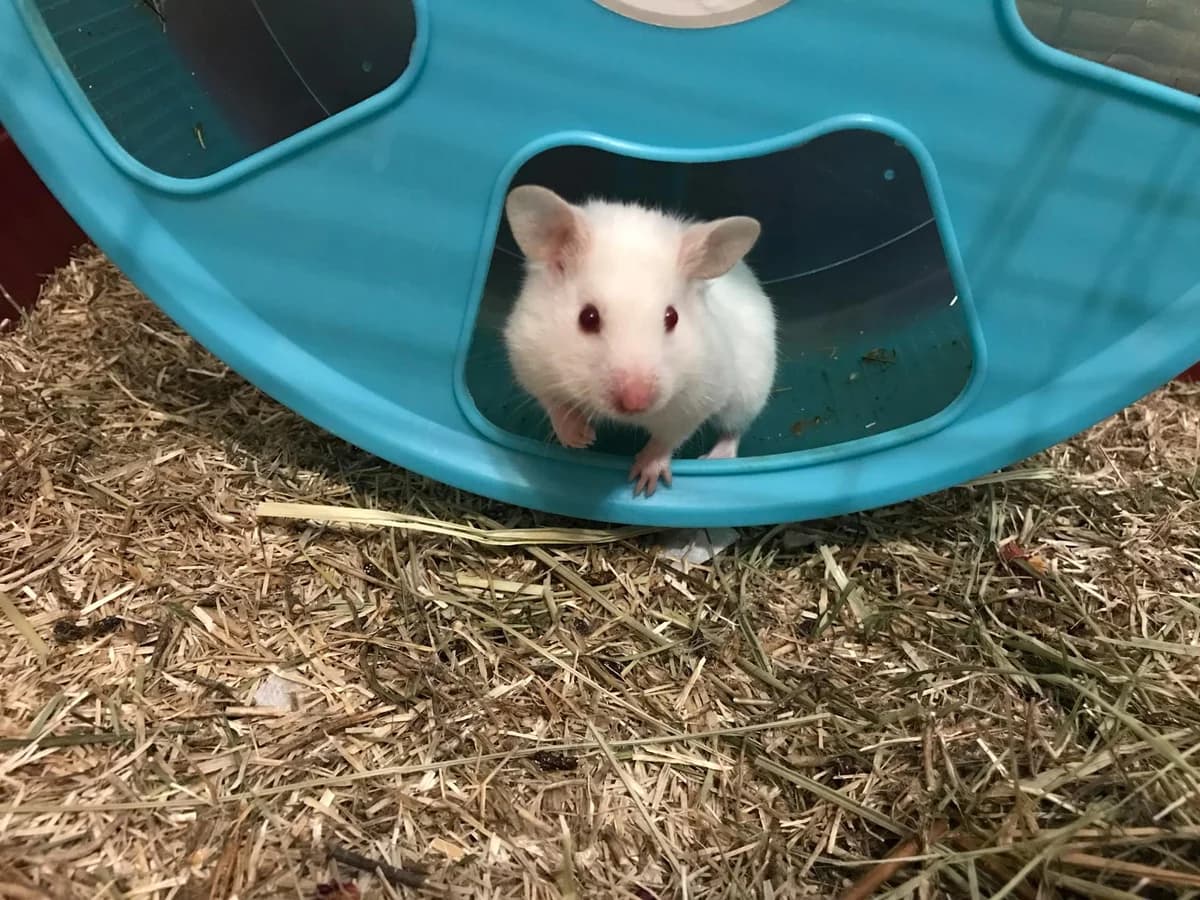
Adoptujte Caring For Your Chinchilla
Kříženec · Mužský · Starý · 20 roky
S výjimečně měkkým srstí, velkýma očima a zvědavými ušima je chincilla příjemný hlodavec původem z vysokých And Jižní Ameriky. Byly chyceny téměř ke vyhynutí v divoce a poprvé byly zavedeny do Evropy pro chov na kožešiny a nedávno se staly domácím mazlíčkem v některých domech. Mohou být skvělým mazlíčkem, pokud si uvědomíte, že jsou exotickým zvířetem s velmi dlouhou životností a velmi specifickými požadavky. Minimální standard péče o jakékoliv zvíře je shrnut ve 5 svobodách*: Svoboda od hladu a žízeň Svoboda od nepohodlí Svoboda od bolesti, zranění a nemoci Svoboda vyjadřovat normální chování Svoboda od strachu a stresu Příslušná potrava a čistá voda Přístup k prachové koupelii Prostor a pravidelná cvičení Příslušná veterinární péče Kde získáte chincillu? Důvěryhodný chovatel nebo ochranné středisko. Jak vybrat zdravou chincillu Hledejte zdravě vypadající chincillu s jasnýma očima a která se zdá být probuzená. Zdravá chincilla bude rychle pohnout, když bude vystrašena, a neměla by vypadat příliš hubená nebo příliš tlustá. Chincilly jsou obvykle tiché, dokud nejsou vystrašené nebo v rozrušení. Chincilly mají velmi silné individuální povahy. Všeobecně lze říct, že mužské chincilly jsou trochu menší a mírnější. Samice jsou větší a více územní. Samice mohou také vypouštět moč, pokud jsou v rozrušení. I když mohou být mužské chincilly drženy spolu, samice pravděpodobně projeví agresi vůči jiné neznámé samici. Oba pohlaví budou starat se o mláďata, která jsou obvykle poroděna plně s vlasy, samostatně nebo jako dvojčata, avšak samice bude schopna znovu se pokousat za 24 hodin po porodu. Některé geny barvy srsti jsou smrtelné, pokud jsou mezi sebou šťáhnuty. Chincilly musí být drženy uvnitř, dál od chladu a vlhkosti. Klec by měla být umístěna v oblasti s relativity konstantní teplotou a dál od přímého slunce, protože nemohou snést vysoké teploty, vysokou vlhkost nebo zvlhnutí. Klec by měla být mimo dosah ostatních zvířat, zejména koček. Klec by měla mít dostatek prostoru, ideálně s více úrovněmi. Uvnitř klece jsou nábytky: krabice na lůžko, lahvička s vodou, prachová koupel, větve ovocných stromů pro lezení a několik hraček pro kousání. Chincilly se rády poběhují pod dohledem mimo klec, ale varujeme, že jsou velmi ničivé, kousají cokoliv, co se jim dostane do huby. Nábytek, podlahové lišty, kabely a knihy jsou všechny cíle jejich kousání. Prachové koupelě Prachové koupelě jsou základem v kleci chincilly, protože chincilly si rádi každý den berou prachové koupelě, aby odstranily nadbytečný olej, tuk a jakoukoli vlhkost a aby udržovaly svůj srst v dobrém stavu. Obsah prachové koupelě by měl být jemný písek, nebo fullerova země (obvykle sepiolit), která je k dispozici v zvířecích obchodech, obyčejný písek z pláže nebo stavební písek není vhodný. Můžete svému chincillovi poskytnout trvalý přístup k prachové koupelím, když ji necháte v kleci a pravidelně ji čistíte, nebo zavedete koupel každý den na půl až jeden hodinu. Chincilly mají velmi jedinečné charakteristiky. Většina nechce být moc držena nebo manipulována, raději se prozkoumává, než aby byla držena nebo omezena. Projdou svými prsty svými zuby a dají lehký kousnutí, pokud jsou podrážděny, ale opravdové tvrdé kousnutí jsou výjimkou a mohou naznačovat, že zvíře trpí bolestí. Umění manipulovat s vaším chincillem a interagovat s ním vám umožní navázat extra výhodný vztah. Nikdy nepozvedněte svého chincilla za ocas. Knihy, které doporučují zachytit za ocas nebo uši, jsou nesprávné, tyto metody používaly chovy kožešin, abychom zabránili rušení kožešiny – nikoli pro výhodu zvířete. Chincilly jsou přirozeně přizpůsobené vegetariánské stravě, která je bohatá na vlákninu a chudá na bílkoviny. Základní strava se skládá z malého množství chincilních granulí a volného přístupu k dobré kvalitě sena. Ujistěte se, že jídlo zůstává čerstvé a čisté vždy. Chincilly mohou být nabídnuty jako zábava čerstvé ovoce a zeleninu občas. Většina chincilly miluje sušenku nebo jablko jako zábavu, ale více než dvě zábavy denně může způsobit střevní potíže a průjem. V delším termínu může příliš bohaté jídlo vést k poškození jater a zkrácenému životu. Voda by měla být nabídnuta lahvičkou umístěnou vně klece a měla by být změněna každý den, aby se zabránilo růstu škodlivých bakterií. Chincilly mohou žít 20 let nebo déle, takže buďte připraveni, jsou delším závazkem než mít děti! Tendence jsou velmi zdravá zvířata a nemusejí být očkována. Pokud je poskytne čistá klec, vyvážená strava a bezstresové prostředí plné lásky a péče, budete mít zdravého chincilly. Musíte sledovat známky neobvykl
Přečíst původní (en)
With its exceptionally soft fur, big eyes, and curious ears, a chinchilla is an endearing rodent originating from the high Andes of South America . They have been trapped to near extinction in the wild and were first introduced to Europe for fur farming an d ha ve recently become a pet in some households . They can make a wonderful pet, once you realise that they are an exotic animal with a very long life – span and very specific requirements . The minimum standard for the welfare of any animal is summarised by the 5 freedoms*: Freedom from hunger and thirst Freedom from discomfort Freedom from pain, injury and disease Freedom to express normal behaviour Freedom from fear and distress Accordingly your chinchilla will need: Appropriate food and clean water Access to a dust bath Space and regular exercise Appropriate veterinary care Where do you get a chinchilla from? A reputable breeder or rescue centre. How to choose a healthy chinchilla Look for a healthy looking chinchilla with bright eyes and that appears alert. A healthy chinchilla will move quickly when startled and should not appear too thin or too heavy. Chinchillas are normally silent unless alarmed or distressed. Chinchillas have very strong individual personalities. As a broad generalisation, male chinchillas tend to be slightly smaller and slightly more placid. Females tend to be larger and more territorial. Females may also squirt urine when distressed. While males can be housed together, a female is likely to display aggression towards another strange female. Both sexes will care for the young, which are usually born fully furred, singly or as twins, however the female will be ready to mate again within 24 hours of giving birth. Some fur colour genes are lethal if bred together. Chinchillas need to be kept indoors, away from draughts and dampness. The cage should be placed in an area where temperature is relatively constant and away from direct sunlight, as they cannot tolerate high temperatures, high humidity, or getting wet. The cage should be out of reach of other pets, especially cats. The cage should have plenty of room, ideally with multiple levels. Cage furnishing includes a nest box, a water bottle, a dust bath, fruit tree branches for climbing, and some chew toys. Chinchillas do enjoy a supervised run around outside the cage, but be warned, they are very destructive, chewing anything they can get their teeth into. Furniture, skirting boards cables and books are all targets for their gnawing. Dust Baths Dust baths are fundamental in a chinchilla’s cage, as chinchillas enjoy daily baths to remove surplus oil, grease and any dampness and to keep their fur in good condition. The contents of the dust bath should be fine sand sized fuller’s earth (usually sepiolite), which is available in pet shops, ordinary beach or builder’s sand is not suitable. You can allow your chinchilla permanent access to a dust bath by leaving it in the cage and cleaning it regularly, or introduce the bath every day for half to one hour. Chinchillas have very individual characters. Most do not like to be held or handled too much, they prefer to explore rather than to be held or restrained. They will explore fingers with their teeth and give a gentle nip if upset, but actual hard bites are the exception and may indicate that the animal is experiencing pain. Being able to handle your chinchilla and interact with it will make your relationship extra rewarding. Never pick your chinchilla up by the tail. Books which suggest holding by the tail or ears are incorrect, those methods were used by fur farms to avoid disturbing the fur- not for the benefit of the animal. Chinchillas are naturally adapted to a vegetarian diet that is high in fibre and low in protein. The basic diet consists of a small amount of chinchilla pellets and free access to good quality hay. Be sure that the food stays fresh and clean at all times. Chinchillas can be offered treats of fresh fruits and vegetables occasionally. Most chinchillas love a raisin or an apple slice as a treat, but more than two treats a day can cause stomach upsets and diahorrea. Over the longer term, too much rich food can result in liver damage and a shortened life. Water should be offered in a bottle placed on the outside of the cage, and this should be changed every day to prevent harmful bacterial growth. Chinchillas can live for 20 years or more, so be prepared, they are a longer-term commitment than having children! They tend to be very healthy animals, and do not need any vaccinations. If provided with a clean cage, a well-balanced diet and a stress-free environment with lots of love and care, you will have a healthy chinchilla. You must watch out for signs of unusual tiredness, refusal of food, soft droppings, loss of weight and poor condition of the fur as these are signs of poor health. Seek veterinary care if in any doubt of a problem. Chinchillas are very intelligent, curious creatures and enjoy toys in the cage. They are rodents, so it is also important to have some wood in the cage which they can use to keep their teeth at the correct length. Fresh elm, hazel and fruit tree twigs are great favourites. Some types of wood are harmful and should be avoided; these include Yew, elder, cypress (including leylandii), and any woods treated with preservatives or paints. Most older houses and some recently imported ornaments and toys will contain poisonous lead paint. There are some costs associated with a cage, food and bedding. Chinchillas are crepuscular – which means that they are awake and active at dawn and dusk – so they need peace and quiet during the day to be able to rest and care, time and attention in the evenings and at night. This may be inconvenient for some people. Children and chinchillas Chinchillas are very fragile little animals so extreme care has to be taken when handling them. Small children should NEVER handle or hold them as this can severely damage the chinchilla. They do not like being handled like a cat or a dog and most do not like to be picked up so they are not ideal to have around children. Chinchillas and other animals Chinchillas are small and fragile, they are also very susceptible to stress, for example a cat near to the cage can cause the chinchilla to become very agitated, and give repeated ascending alarm calls. Repeated stress or long term stress can be fatal to any small animal. Individual chinchillas may learn to accept contact with a mature dog, or an old and non predatory cat, although close human supervision is essential. Chinchillas can be very hostile towards other small animals, such as guinea pigs and rabbits. In turn, rabbits may be dangerously aggressive towards the chinchilla. Chinchillas may also be aggressive, possibly even predatory towards small birds. Sources of information Get several books and be very sceptical. Much information has come un-challenged from fur farm practice and has nothing at all to do with the welfare of the animal (e.g. catching by tail or ears, housing on wire floors), other information reflects individual writers’ personal neuroses (e.g. clipping new born babies’ teeth). If in doubt, do not delay in asking a small animal vet.
Zobrazeno před 4 měsíci