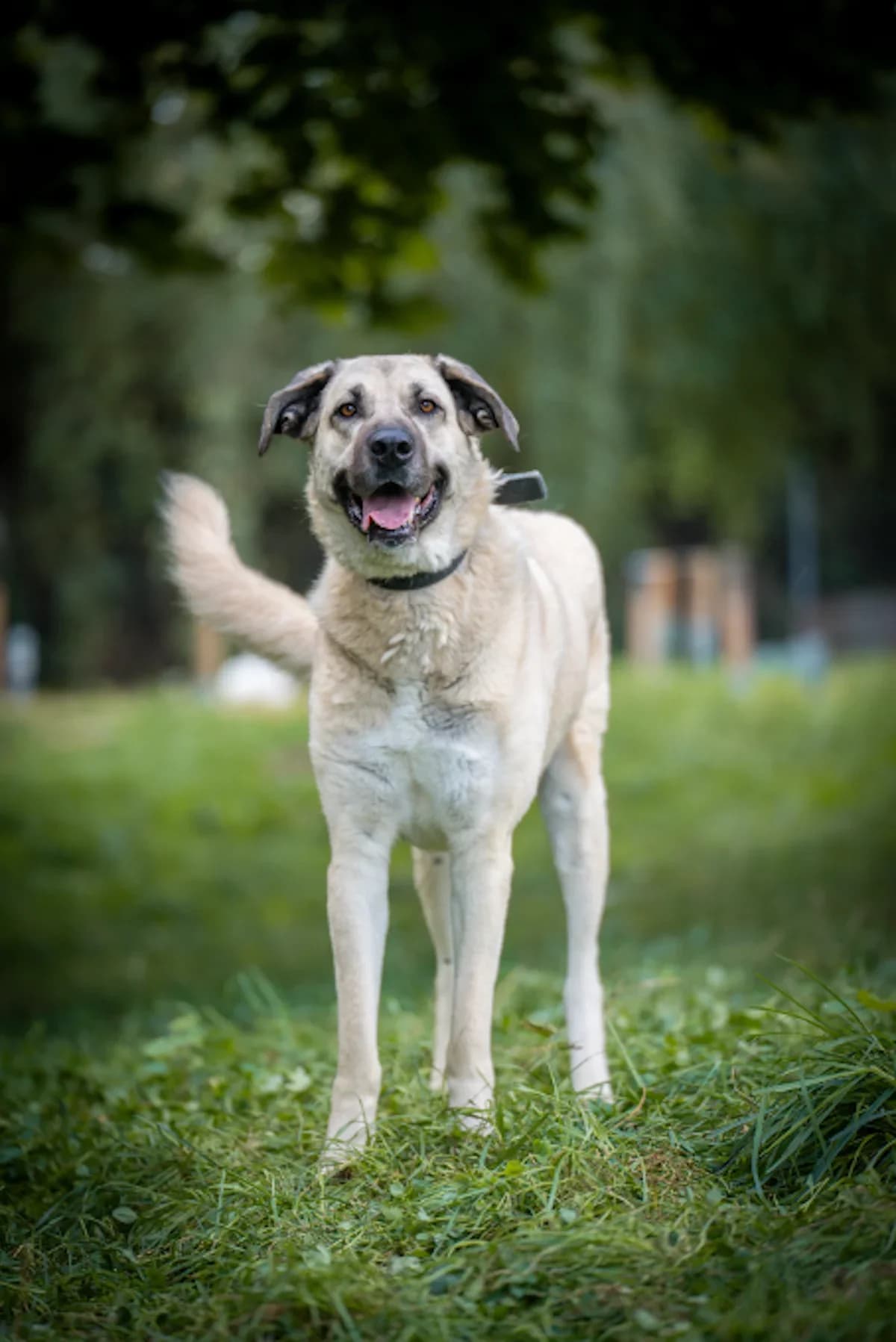
Adoptă Caring For Your Chinchilla
Rasă mixtă · Masculin · Vârstnic · 20 ani
Cu blană extrem de moale, ochi mari și urechi curioase, un chinchilla este un rodent înțepător originar din Andii înalți ai Americii de Sud. Aceștia au fost prizi până la aproape dispariție în natură și au fost introdusi pentru prima dată în Europa pentru crescatorii de blană și au devenit recent animale de companie în unele case. Pot deveni o superbă mască, odată ce realizezi că sunt animale exotice cu o durată de viață foarte lungă și cerințe foarte specifice. Standardele minime pentru bunăstarea oricărui animal sunt rezumate de cele 5 libertăți*: Libertatea de a nu avea foame și sete Libertatea de a nu avea disconfort Libertatea de a nu avea durere, răni sau boli Libertatea de a-și exprima comportamentul normal Libertatea de a nu avea teamă și stres. Prin urmare, chinchilla ta va avea nevoie de: Alimente potrivite și apă curată Acces la un baie de praf Spațiu și mișcare regulată Cuvântare veterinară potrivită Unde poți lua un chinchilla? De la un criator renumit sau un centru de protecție. Cum să alegi un chinchilla sănătos Caută un chinchilla care arată sănătos, cu ochi strălucitori și care pare atent. Un chinchilla sănătos se va mișca rapid când e speriat și nu ar trebui să pară prea slab sau prea gras. Chinchillile sunt normal tăcute, decât dacă sunt alarmați sau îngrijorați. Chinchillile au personalități puternic individuale. În general, chinchillii masculi sunt ușor mai mici și mai placi. Femelele sunt mai mari și mai teritoriale. Femelele pot și scuipa urină când sunt îngrijorate. Chinchillii masculi pot trăi împreună, dar o femeie este probabil să arate agresivitate față de o altă femeie necunoscută. Ambii sexe vor îngriji puii, care apar obișnuială complet acoperiți cu blană, singuri sau ca gemeni, totuși femeia va fi pregătită să se împerecheze din nou în 24 de ore după naștere. Unele gene ale culorii părului sunt letale dacă se încrucișează. Chinchillile trebuie ținute în interior, departe de curent și umiditate. Cătușa ar trebui plasată într-o zonă unde temperatura este relativ constantă și departe de soare direct, deoarece nu pot suporta temperaturi ridicate, umiditate ridicată sau să fie udă. Cătușa ar trebui să fie la îndemână pentru alte animale de companie, în special pisici. Cătușa ar trebui să aibă suficient spațiu, ideal cu mai multe niveluri. Furnizarea cătușei include o cutie de adăpost, o sticlă cu apă, o baie de praf, ramuri de copaci fructiferi pentru escaladare și unele jucării de mușcat. Chinchillile își iubesc plimbările supravegheate afară din cătușă, dar avertizează, ele sunt foarte distructive, mușcând orice pot ajunge cu dinții. Mobilier, roabe, cabluri și cărți sunt toate ținte pentru mușcături. Băi de praf Băile de praf sunt esențiale în cătușa unui chinchilla, deoarece chinchillile iubesc baile zilnice pentru a elimina uleiul suplimentar, grăsimea și orice umiditate și pentru a-și menține blana într-o stare bună. Conținutul băii de praf ar trebui să fie nisip fin de pământ de fullert (de obicei sepiolit), disponibil în magazinele pentru animale, nisipul obișnuit de pe plajă sau de constructor nu este potrivit. Poți permite chinchillei acces permanent la o baie de praf lăsând-o în cătușă și curățând-o periodic, sau introduci baia zilnic timp de jumătate sau o oră. Chinchillile au caracteriste individual very. Majoritatea nu îi plac să fie ținute sau manevrate prea mult, preferă să exploreze în loc să fie ținute sau reținute. Ele vor explora degetele cu dinții și vor da o mușcătură ușoară dacă sunt supărate, dar mușcături dure sunt excepționare și pot indica că animalul suferă de durere. Capacitatea de a manevra chinchilla ta și de a interacționa cu ea va face relația ta extra recompensatoare. Niciodată să nu iei chinchilla de coadă. Cărțile care sugerează ținerea de coadă sau urechi sunt incorecte, aceste metode erau folosite de fermele de blană pentru a evita afectarea blanei – nu pentru beneficiul animalului. Chinchillile sunt adaptate natural la un regim vegetarian care are un conținut mare de fibre și un conținut mic de proteină. Dieta de bază constă într-o cantitate mică de boabe pentru chinchilla și acces liber la iarba calitativă. Asigură-te că mâncarea rămâne proaspătă și curată în permanență. Chinchillile pot primi tratamente sub formă de fructe și legume proaspete ocazional. Majoritatea chinchillilor iubesc o măruntă sau o felie de mere ca tratament, dar mai mult de două tratamente pe zi pot cauza probleme de stomac și diaree. Pe termen lung, alimentația bogată poate duce la daune hepatice și o viață scurtă. Apa trebuie oferită într-o sticlă plasată pe partea exterioară a cătușei, iar aceasta trebuie schimbată în fiecare zi pentru a preveni creșterea bacteriilor dăunătoare. Chinchillile pot trăi 20 de ani sau mai mult, așa că fii gata, sunt un angajament pe termen lung mai mare decât averea copiilor! Tind să fie animale foarte sănătoase și nu necesită vaccinări. Dacă îi oferi o cătușă curată, o dietă echilibrată și un mediu fără stres cu mult drag și grija, vei avea un chinchilla sănătos. Trebuie să observi semne de oboseală neobișnuită, refuzul mâncării, scaune moale, pierderea în greutate și o stare proastă a blănii, deoarece acestea sunt semne de sănătate slabă. Caută asistență veterinară dacă ești neliniștit despre o problemă. Chinchillile sunt creaturi inteligente, curioase și își iubesc jucăriile din cătușă. Sunt rozătoare, așa că este important să ai și lemn în cătușă pe care îl pot folosi pentru a ține dinții la lungimea corectă. Ramuri proaspete de ulm, soc și copaci fructiferi sunt foarte preferate. Unele tipuri de lemn sunt dăunătoare și trebuie evitate; acestea includ Ienii, cireș, cipar (inclusiv leylandii) și orice lemn tratat cu preservative sau vopsea. Multe case vechi și unele decoruri importate recent vor conține vopsea toxică cu plumb. Există anumite costuri legate de o cătușă, mâncare și pernă. Chinchillile sunt crepusculare – ceea ce înseamnă că sunt treze și active
Citire originală (en)
With its exceptionally soft fur, big eyes, and curious ears, a chinchilla is an endearing rodent originating from the high Andes of South America . They have been trapped to near extinction in the wild and were first introduced to Europe for fur farming an d ha ve recently become a pet in some households . They can make a wonderful pet, once you realise that they are an exotic animal with a very long life – span and very specific requirements . The minimum standard for the welfare of any animal is summarised by the 5 freedoms*: Freedom from hunger and thirst Freedom from discomfort Freedom from pain, injury and disease Freedom to express normal behaviour Freedom from fear and distress Accordingly your chinchilla will need: Appropriate food and clean water Access to a dust bath Space and regular exercise Appropriate veterinary care Where do you get a chinchilla from? A reputable breeder or rescue centre. How to choose a healthy chinchilla Look for a healthy looking chinchilla with bright eyes and that appears alert. A healthy chinchilla will move quickly when startled and should not appear too thin or too heavy. Chinchillas are normally silent unless alarmed or distressed. Chinchillas have very strong individual personalities. As a broad generalisation, male chinchillas tend to be slightly smaller and slightly more placid. Females tend to be larger and more territorial. Females may also squirt urine when distressed. While males can be housed together, a female is likely to display aggression towards another strange female. Both sexes will care for the young, which are usually born fully furred, singly or as twins, however the female will be ready to mate again within 24 hours of giving birth. Some fur colour genes are lethal if bred together. Chinchillas need to be kept indoors, away from draughts and dampness. The cage should be placed in an area where temperature is relatively constant and away from direct sunlight, as they cannot tolerate high temperatures, high humidity, or getting wet. The cage should be out of reach of other pets, especially cats. The cage should have plenty of room, ideally with multiple levels. Cage furnishing includes a nest box, a water bottle, a dust bath, fruit tree branches for climbing, and some chew toys. Chinchillas do enjoy a supervised run around outside the cage, but be warned, they are very destructive, chewing anything they can get their teeth into. Furniture, skirting boards cables and books are all targets for their gnawing. Dust Baths Dust baths are fundamental in a chinchilla’s cage, as chinchillas enjoy daily baths to remove surplus oil, grease and any dampness and to keep their fur in good condition. The contents of the dust bath should be fine sand sized fuller’s earth (usually sepiolite), which is available in pet shops, ordinary beach or builder’s sand is not suitable. You can allow your chinchilla permanent access to a dust bath by leaving it in the cage and cleaning it regularly, or introduce the bath every day for half to one hour. Chinchillas have very individual characters. Most do not like to be held or handled too much, they prefer to explore rather than to be held or restrained. They will explore fingers with their teeth and give a gentle nip if upset, but actual hard bites are the exception and may indicate that the animal is experiencing pain. Being able to handle your chinchilla and interact with it will make your relationship extra rewarding. Never pick your chinchilla up by the tail. Books which suggest holding by the tail or ears are incorrect, those methods were used by fur farms to avoid disturbing the fur- not for the benefit of the animal. Chinchillas are naturally adapted to a vegetarian diet that is high in fibre and low in protein. The basic diet consists of a small amount of chinchilla pellets and free access to good quality hay. Be sure that the food stays fresh and clean at all times. Chinchillas can be offered treats of fresh fruits and vegetables occasionally. Most chinchillas love a raisin or an apple slice as a treat, but more than two treats a day can cause stomach upsets and diahorrea. Over the longer term, too much rich food can result in liver damage and a shortened life. Water should be offered in a bottle placed on the outside of the cage, and this should be changed every day to prevent harmful bacterial growth. Chinchillas can live for 20 years or more, so be prepared, they are a longer-term commitment than having children! They tend to be very healthy animals, and do not need any vaccinations. If provided with a clean cage, a well-balanced diet and a stress-free environment with lots of love and care, you will have a healthy chinchilla. You must watch out for signs of unusual tiredness, refusal of food, soft droppings, loss of weight and poor condition of the fur as these are signs of poor health. Seek veterinary care if in any doubt of a problem. Chinchillas are very intelligent, curious creatures and enjoy toys in the cage. They are rodents, so it is also important to have some wood in the cage which they can use to keep their teeth at the correct length. Fresh elm, hazel and fruit tree twigs are great favourites. Some types of wood are harmful and should be avoided; these include Yew, elder, cypress (including leylandii), and any woods treated with preservatives or paints. Most older houses and some recently imported ornaments and toys will contain poisonous lead paint. There are some costs associated with a cage, food and bedding. Chinchillas are crepuscular – which means that they are awake and active at dawn and dusk – so they need peace and quiet during the day to be able to rest and care, time and attention in the evenings and at night. This may be inconvenient for some people. Children and chinchillas Chinchillas are very fragile little animals so extreme care has to be taken when handling them. Small children should NEVER handle or hold them as this can severely damage the chinchilla. They do not like being handled like a cat or a dog and most do not like to be picked up so they are not ideal to have around children. Chinchillas and other animals Chinchillas are small and fragile, they are also very susceptible to stress, for example a cat near to the cage can cause the chinchilla to become very agitated, and give repeated ascending alarm calls. Repeated stress or long term stress can be fatal to any small animal. Individual chinchillas may learn to accept contact with a mature dog, or an old and non predatory cat, although close human supervision is essential. Chinchillas can be very hostile towards other small animals, such as guinea pigs and rabbits. In turn, rabbits may be dangerously aggressive towards the chinchilla. Chinchillas may also be aggressive, possibly even predatory towards small birds. Sources of information Get several books and be very sceptical. Much information has come un-challenged from fur farm practice and has nothing at all to do with the welfare of the animal (e.g. catching by tail or ears, housing on wire floors), other information reflects individual writers’ personal neuroses (e.g. clipping new born babies’ teeth). If in doubt, do not delay in asking a small animal vet.
Listat acum 4 luni