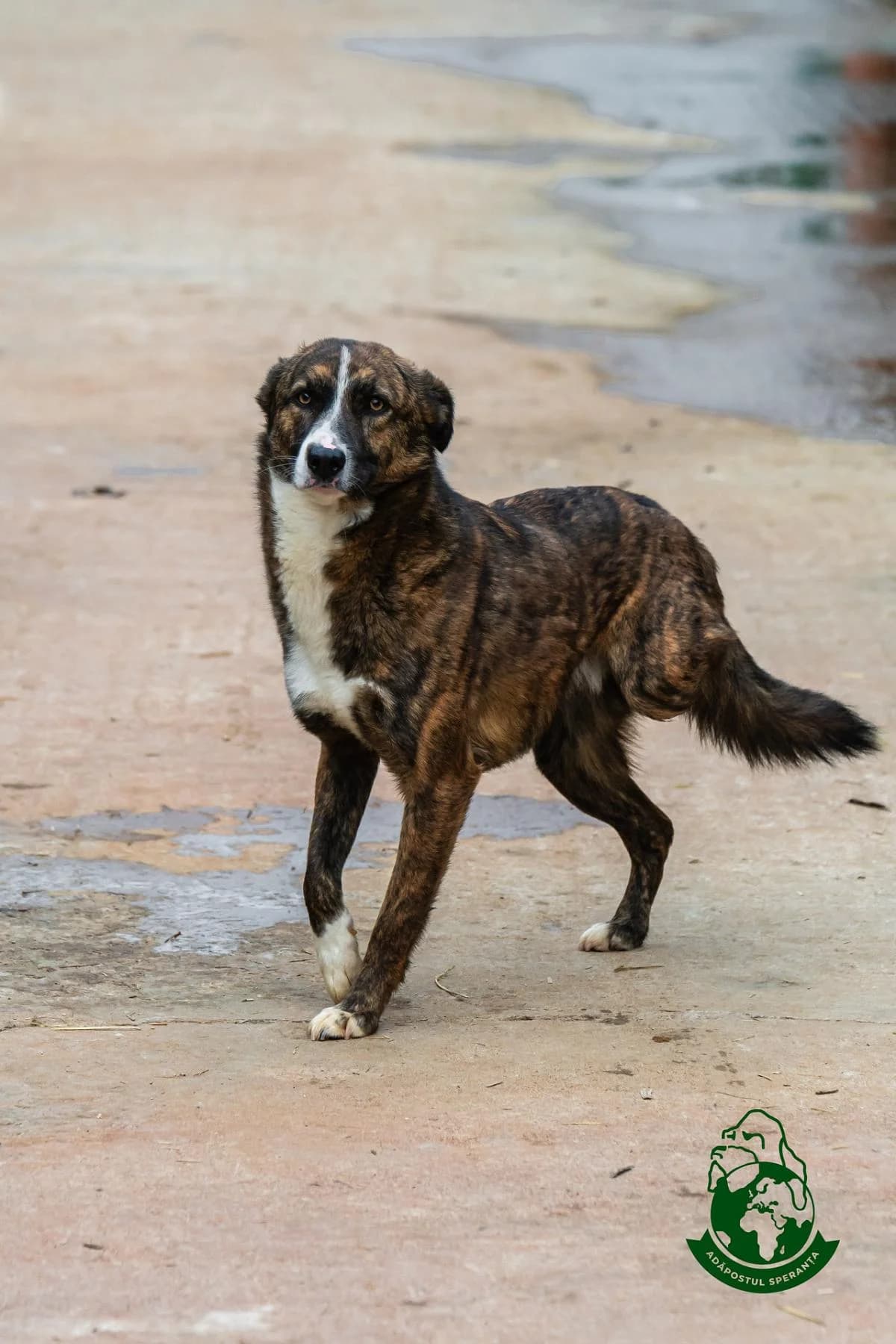
Adoptujte How Rehabilitation Helps Traumatised Dogs Heal
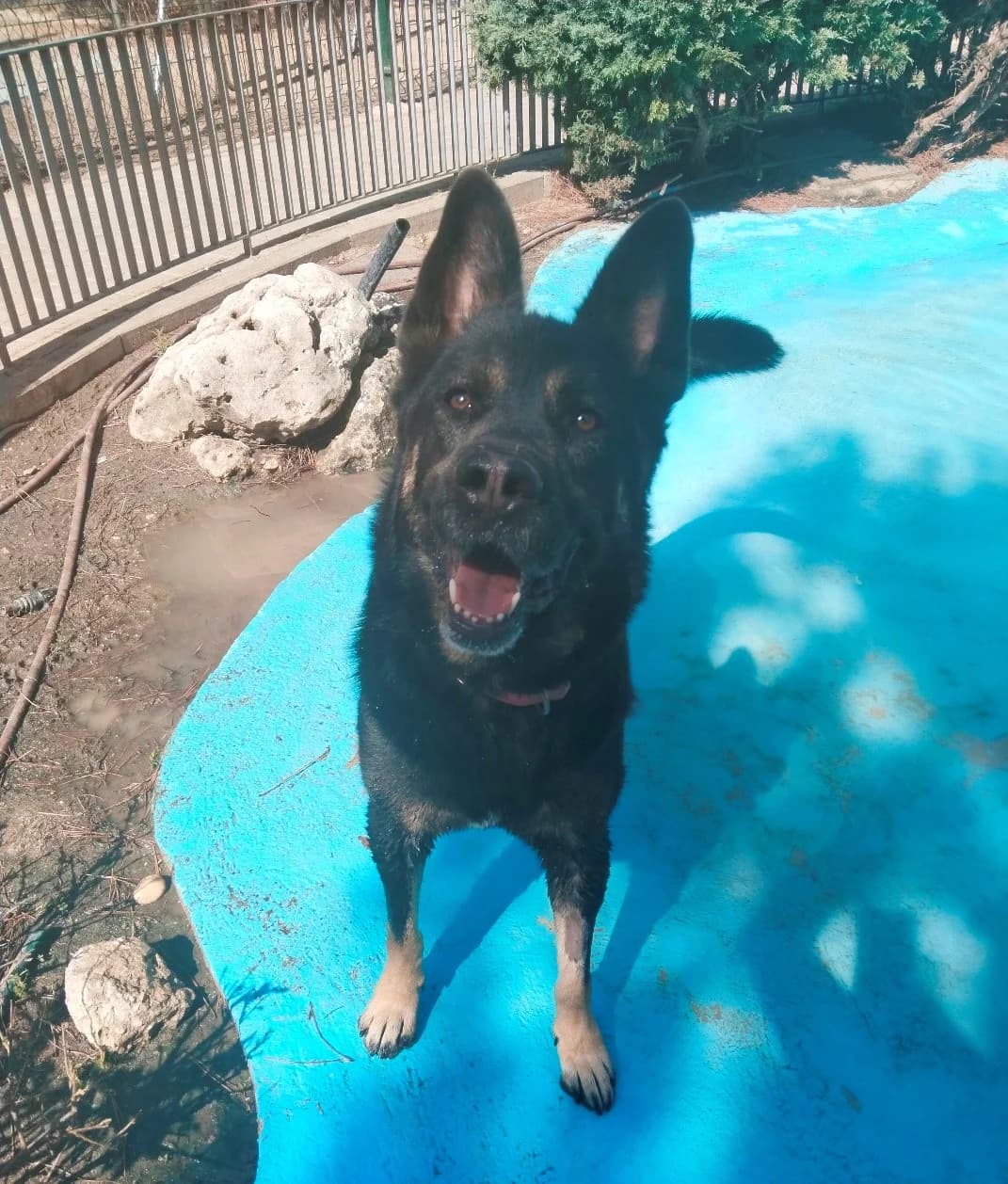
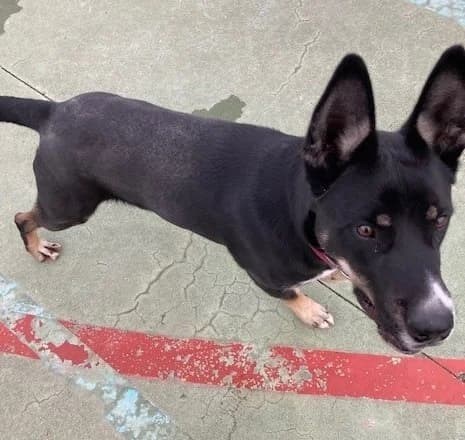
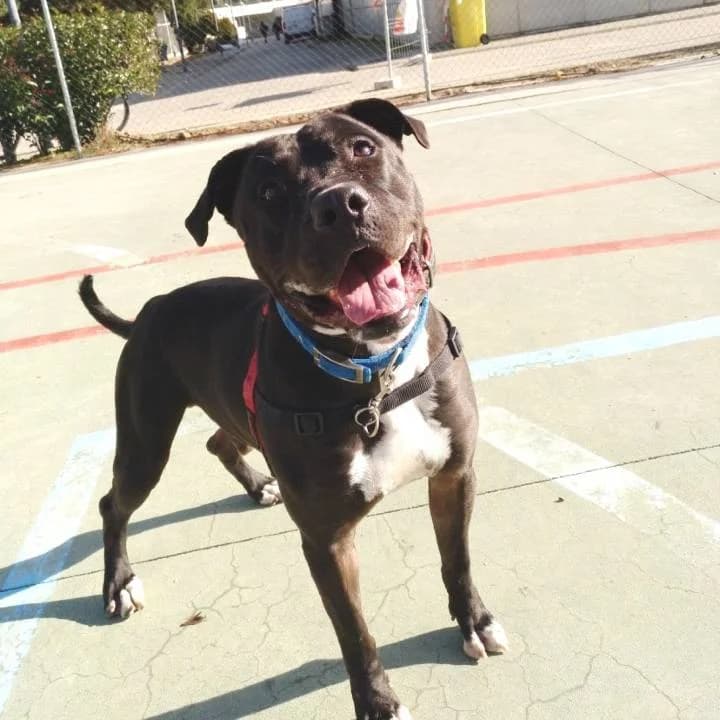
Kříženec · Neznámo
Každý den přicházejí psi do záchráných škol věčně neslyšící rány. Opustění, zneužití a opomíjení nechávají hluboké psychologické jizvy, které nemůže odstranit jedině teplé kryto a plná misková. Dobrá zpráva je, že obnova je naprosto možná. S pravým rehabilitačním programem může i nejvzdorovější strachující pes naučit se znovu důvěřovat, najít láskavé domovy a prosperovat. Ve Speranța Shelteru věříme, že záchranu je jen začátek. Podpora nejlepších psem záchraně organizací znamená financování celé cesty, od okamžiku, kdy pes je zachráněn, až do okamžiku, kdy vstupuje dveřmi svého trvalého domova. Pokud se staráte o psy a chcete darovat zvířecí případy, které opravdu změňují životy, porozumět tomu, co rehabilitace zahrnuje, je prvním krokem. Co trauma vypadá v záchraně psů Not všechny rány jsou viditelné. Pes zachráněný z ulic nebo z nebezpečného domova může vypadat fyzicky zdravě, ale má významný psychologický stres. Trauma u psů je jak emocionální, tak fyzické a rozpoznání toho je prvním krokem směrem k uzdravení. Běžné známky trauma u záchraně psů zahrnují: Extrémní obavu z lidí, chvění při náhlých pohybech nebo vzestupných hlasů Agresivita jako obranná reakce, nikoli zlý úmysl, ale ochrana samotného Sebevzdor, skrývání nebo ztuhnutí v neznámém prostředí Opakované zmatené chování, jako je chodba, kroužení nebo nadměrné štěkání Nedokázaní jíst, spát nebo uvolnit v novém prostředí Tyto chování nejsou nedostatky charakteru, ale přežití reakce. Pes, který štěká, když se mu blíží, není špatný pes; je to pes, který se naučil, že lidé nelze důvěřovat. Rehabilitace je proces, kdy se pomalu, trpělivě dokazuje jinak. Co je psí rehabilitace? Rehabilitace psů je strukturovaný, vícevrstevný přístup k pomoci traumatičně zasaženým zvířatům zotavit se fyzicky, chováním a emočně. Přesahuje základní trénink; je závazek znovu postavit vztah psa k světu. V jádru rehabilitace kombinuje: Behaviorální terapie a desenzibilizace, postupné znovu zavedení triggerů v bezpečném, kontrolním způsobu Medicína, léčení fyzických zranění, nemocí nebo nevýživy, které zhoršují emoční stres Emoční obnovy, stavění důvěry prostřednictvím konzistence, trpělivosti a pozitivní interakce Nejlepší psozáchraňující organizace rozumí, že jednoduše poskytnout útočiště nestačí. Pes, který byl traumatičně zasažen, potřebuje aktivní, trvalý plán obnovy, nejen místo čekání. Ve Speranța Shelteru toto pochopení vedlo k vytvoření našeho specializovaného pracovního způsobu pro traumatičně zasažené psy, program, který nazýváme Messengers of Hope. Pokud chcete vědět více o tom, jak tento program funguje a psům, které již pomohl, navštivte stránku programu Messengers of Hope. Proces rehabilitace: Co to ve skutečnosti zahrnuje Efektivní rehabilitace není jedna intervence, je pečlivě sekvencovaná cesta. Tady je, jak vypadá každá fáze v praxi. Před zahájením jakékoli behaviorální práce musí být řešena fyzická zdravotní stav psa. Mnoho záchraně psů přichází špatně živené, zraněné nebo trpí nedodělanou nemocí. Bolest zhoršuje strach a agresivitu, pes v fyzickém nepohodlí nemůže odpovědět na emocionální podporu. Veterinární péče, obnovy výživy a správa bolesti jsou nezbytným prvním krokem. b. Bezpečné, konzistentní prostředí Traumatičně zasažení psi potřebují predikovatelnost. Chaotické nebo neproniknutelné prostředí zhoršují úzkost, zatímco konzistentní rutiny, pravidelné časy jíst, tiché prostory, známé pečovatele začínají budovat pocit bezpečí. Pro mnoho psů je jednoduše učení, že nic špatného se nestane, velkým krokem. c. Behaviorální trénink Pozitivní posílení je srdcem trauma-informovaného tréninku psů. Trestání strachujícího chování ho hloubí; odměňování i malých akcích bravery, například vonění ruky cizinců, přijetí pokrmu, kontakt očima, postupně buduje důvěru. Tato fáze je pomalá, důkladná a vedená rytem psa. d. Postupné sociální osvětové vzdělávání Mnoho traumatičně zasažených psů mělo málo nebo žádné pozitivní zkušenosti s dalšími psy, lidmi nebo každodenním prostředím. Sociální osvětové vzdělávání zahrnuje pečlivě spravované představení jiným laskavým psem, novým lidem, zvukům, prostorům a situacím. Každá úspěšná zkušenost je malá vítězství, která rozšiřuje svět psa. e. Specializovaná péče a desenzibilizace Pro psy s těžkým trauma je nutná specializovaná intervence. Experti na chování psů a trenéři používají zaměřené techniky desenzibilizace, například postupné vystavení psa autům, schodištím, výtahům a procházce na řetězu, aby si běžný život v domácím prostředí nebyl příliš útlakem, když je přijat. Tento typ intenzivní, expertem vedené péče je možný pouze tehdy, když lidé rozhodnou dávat darovat do programů škol zvířecího útočiště, které financují profesionální personál, výcvikové zdroje a dlouhodobé pl
Přečíst původní (en)
Every day, dogs arrive at rescue shelters carrying invisible wounds. Abandonment, abuse, and neglect leave deep psychological scars, ones that a warm kennel and a full food bowl alone cannot heal. The good news is that recovery is absolutely possible. With the right rehabilitation programme, even the most withdrawn, fearful dog can learn to trust again, find a loving home, and thrive. At Speranța Shelte r , we believe that rescue is only the beginning. Supporting the best dog rescue charities means funding the full journey, from the moment a dog is saved to the moment they walk through the door of their forever home. If you care about dogs and want to donate to pet causes that truly change lives, understanding what rehabilitation involves is the first step. What Trauma Looks Like in Rescue Dogs Not all wounds are visible. A dog rescued from the streets or an abusive home may appear physically healthy but be carrying significant psychological distress. Trauma in dogs is both emotional and physical, and recognising it is the first step towards healing. Common signs of trauma in rescue dogs include: Extreme fear of humans, flinching at sudden movements or raised voices Aggression as a defensive response, not malice, but self-protection Withdrawal, hiding, or freezing in unfamiliar situations Repetitive anxious behaviours such as pacing, circling, or excessive barking Inability to eat, sleep, or relax in a new environment These behaviours are not character flaws, they are survival responses. A dog that growls when approached is not a bad dog; it is a dog that has learned humans cannot be trusted. Rehabilitation is the process of gently, patiently proving otherwise. What Is Dog Rehabilitation? Dog rehabilitation is a structured, multi-layered approach to helping traumatised animals recover physically, behaviourally, and emotionally. It goes far beyond basic training: it is a commitment to rebuilding a dog's relationship with the world. At its core, rehabilitation combines: Behavioural therapy and desensitisation, gradually reintroducing triggers in a safe, controlled way Medical care, treating physical injuries, illness, or malnutrition that compound emotional distress Emotional rebuilding, building trust through consistency, patience, and positive interaction The best dog rescue organisations understand that simply providing shelter is not enough. A dog that has been traumatised needs an active, ongoing recovery plan, not just a place to wait. At Speranța Shelter, this understanding led to the creation of our specialised recovery work with traumatised dogs, a programme we call the Messengers of Hope . To learn more about how this programme works and the dogs it has already helped, visit the Messengers of Hope programme page . The Rehabilitation Process: What It Actually Involves Effective rehabilitation is not a single intervention, it is a carefully sequenced journey. Here is what each stage looks like in practice. Before any behavioural work can begin, a dog's physical health must be addressed. Many rescue dogs arrive malnourished, injured, or suffering from untreated illness. Pain makes fear and aggression worse, a dog in physical discomfort cannot respond to emotional support. Veterinary care, nutritional recovery, and pain management are the essential first step. b. A Safe, Consistent Environment Traumatised dogs need predictability. Chaotic or unpredictable environments reinforce anxiety, while consistent routines, regular feeding times, quiet spaces, familiar caregivers, begin to build a sense of safety. For many dogs, simply learning that nothing bad will happen is a major milestone. c. Behavioural Training Positive reinforcement is at the heart of trauma-informed dog training. Punishing fearful behaviour deepens it; rewarding even small acts of bravery, sniffing a stranger's hand, accepting a treat, making eye contact, builds confidence over time. This stage is slow, deliberate, and guided by the dog's own pace. d. Gradual Socialisation Many traumatised dogs have had little or no positive exposure to other dogs, people, or everyday environments. Socialisation involves carefully managed introductions, to other friendly dogs, to new people, to sounds, spaces, and situations. Each successful experience is a small victory that expands the dog's world. e. Specialist Care and Desensitisation For dogs with severe trauma, specialist intervention is essential. Canine behaviour experts and trainers use targeted desensitisation techniques, for example, gradually exposing a dog to cars, staircases, lifts, and leash walking, so that everyday life in a home does not become overwhelming once they are adopted. This level of intensive, expert-led care is only possible when people choose to donate to animal shelter programmes that fund professional staffing, training resources, and long-term recovery plans. When you donate to a pet shelter like Speranța, you are directly funding this work. Real Impact: Before and After Rehabilitation The transformation that rehabilitation makes possible is remarkable, and it is not theoretical. Dogs that once cowered in the corner of their kennel, that snapped in fear when approached, or that had shut down entirely after months of neglect, can emerge from a structured rehabilitation programme as confident, affectionate, and fully adoptable animals. The journey typically looks something like this: Fearful and withdrawn → calm and curious Reactive or aggressive → gentle and trusting Unable to tolerate handling → comfortable with grooming, leash walking, and human touch Unadoptable → thriving in a loving family home This is what makes organisations like Speranța Shelter among the best dog rescue charities – not just the number of animals rescued, but the depth of care invested in each one. For real examples of dogs who have completed this journey, visit our Messengers of Hope programme page and our success stories . Why Donations Are Essential to Rehabilitation Running a comprehensive rehabilitation programme is resource-intensive. Behind every dog's recovery story are costs that must be covered: Food and nutritional supplements throughout the recovery period Veterinary care, medication, and ongoing health monitoring Specialist dog trainers and canine behaviour experts Equipment, outdoor spaces, and enrichment materials Staff time – because this work cannot be rushed or automated Even affordable dog donations make a tangible difference. A small monthly contribution helps cover the cost of a training session; a one-off gift can fund a week of specialist care for a dog in crisis. Every pound given to donate to pet causes like this one directly extends the reach of what is possible. How to Donate to a Dog Shelter If you have been wondering how to donate to a dog shelter or how to donate to a pet shelter that uses funds responsibly, Speranța Shelter offers several options: One-time donation — a flexible, no-commitment way to help Monthly giving — a regular contribution that shelters can plan around Sponsorship of a specific dog — supporting an individual animal's recovery journey All options are available through our donation page . Whether you give once or give monthly, your contribution goes directly to the care and rehabilitation of dogs in our shelter. Other Ways to Support Financial donations are not the only way to help. You can also make a real difference by: Volunteering your time at the shelter or in outreach activities Sharing our content – spreading the word about our programmes reaches potential donors and adopters Corporate sponsorship – if your business is looking for a meaningful charitable partnership, we would love to hear from you Adopting – giving a rehabilitated dog their forever home is the ultimate outcome of all this work Conclusion: Every Dog Deserves a Second Chance Rehabilitation
Zobrazeno před 5 měsíci