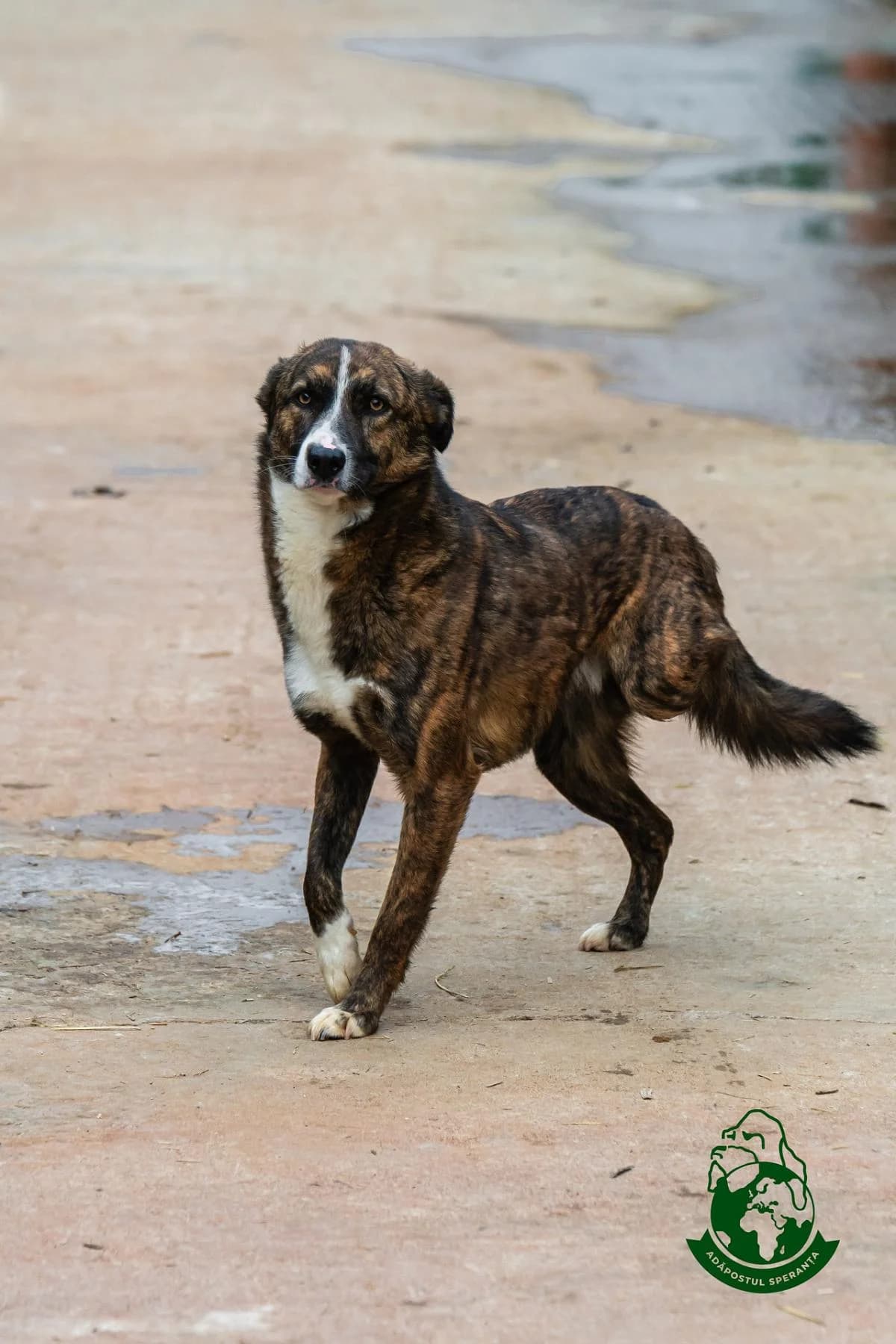
How Rehabilitation Helps Traumatised Dogs Heal örökbefogadása
Keverék fajta · Ismeretlen
Mindennap, a kutyák érkeznek az újjászületési menhelyekre láthatatlan sebekkel. A hagyományozás, a bántalmazás és a figyelmen kívül hagyás mély pszichológiai sérüléseket okoz, amelyeket egy meleg kutyaszoba és egy tele tál egyedül nem tud meggyógyítani. A jó hír az, hogy a felépülés teljesen lehetséges. A megfelelő rehabilitációs programmal még a legvisszahúzódóbb, félséges kutya is megtanulhatja, hogy bízzon újra, megtalálja a szerető otthonát, és megélheti a jövőt. Az Speranța Menhelyn úgy hisszük, hogy az újjászületés csupán a kezdet. A legjobb kutyabetegyedek támogatása azt jelenti, hogy finanszírozza az egész utat, attól a pillanattól kezdve, amikor egy kutya mentett, amíg be nem lép a sosem elhagyni kívánt otthonuk ajtaján. Ha szeretnétek a kutyákat és támogatni akarjátok azokat a háziállat-otthonokat, amelyek valóban megváltoztatják az életeket, akkor a rehabilitáció mibenlétének megértése az első lépés. Mit jelent a trauma a mentett kutyák számára? Nem minden seb látható. Egy utcáról vagy egy bántó otthonból mentett kutya lehet fizikailag egészséges, de jelentős pszichológiai feszültség alatt állhat. A kutyák trauma mind emocionális, mind fizikai, és annak felismerése az első lépés a gyógyulás irányába. A mentett kutyák trauma jellemzői közé tartoznak: Szélsőséges félelem az emberektől, remegés hirtelen mozgásokra vagy emelt hangra. Agresszió védő reakcióként, nem rosszindulat, hanem önvédelem. Visszavonulás, rejtőzés vagy mozdulatlanság ismeretlen helyzetekben. Ismétlődő aggasztó viselkedések, például járkálás, körözés, túlzott ugatás. Képtelenség étkezni, aludni vagy nyugodni egy új környezetben. Ezek a viselkedések nem karakterhibák, hanem túlélési reakciók. Egy kutya, amely közeledésre morog, nem rossz kutya; egy olyan kutya, amely tanult, hogy az emberek nem megbízhatóak. A rehabilitáció az a folyamat, amely enyhe, türelmes módon bizonyítja az ellenkezőjét. Mi az állat rehabilitáció? Az állat rehabilitáció egy strukturált, több szintű megközelítés, amely segít a traumázott állatok fizikai, viselkedési és érzelmi meggyógyulásában. Több, mint alapvető képzés: egy hosszú távú kapcsolat újjáépítésére szánt elköteleződés. A rehabilitáció alapját képezik: Viselkedésterápia és érzékenység csökkentés, lassan és biztonságosan újrakiindítva a triggereket. Orvosi ellátás, fizikai sérülések, betegségek vagy éhezés kezelése, amelyek erősítik az érzelmi feszültséget. Érzelmi újjáépítés, amely bizalom építésével, konzisztenciával, türelmmel és pozitív interakcióval történik. A legjobb kutyabetegyedek megértik, hogy egyszerűen az otthon biztosítása nem elegendő. Egy traumázott kutya aktív, folyamatos felépülési tervre van szüksége, nem csak egy várakozási helyre. Az Speranța Menhelyen ez a megértés vezetett a különleges felépülési munkához a traumázott kutyákkal, amit mi a "Remény Hírnökei" programunknak nevezünk. Ha szeretnétek megtudni, hogyan működik ez a program, és milyen kutyákat segített már, látogassátok meg a Remény Hírnökei programoldalt. A Rehabilitációs Folyamat: Valójában Mit Jelent? Hatékony rehabilitáció nem egyetlen beavatkozás, hanem egy gondosan szervezett út. Íme, hogyan néz ki minden szakasz a gyakorlatban. Mielőtt bármilyen viselkedési munka megkezdődhet, a kutya fizikai egészségének figyelembe vétele szükséges. Sok mentett kutya érkezik éhenhalt, sérült vagy kezelés nélküli betegséggel. A fájdalom rombolja a félelmet és az agressziót, egy fájdalmat érező kutya nem tud reagálni az érzelmi támogatásra. A veteringi ellátás, az élelmiszer-visszaállítás és a fájdalomkezelés az első lépés. b. Biztonságos, konzisztens környezet A traumázott kutyák számára a prediktivitás szükséges. Zavaros vagy megjósolhatatlan környezetek növelik az aggodalmat, miközben konzisztens rutinok, rendszeres étkezési idők, csendes helyek, ismert gondozók kezdenek kialakítani egy biztonság érzetét. Számos kutyára nézve az is egy jelentős előrehaladás, ha megtanulja, hogy semmi rossz nem történik. c. Viselkedési képzés A pozitív megerősítés a traumatikus élményhez igazított kutyaképzés központja. A félelmetes viselkedés büntetése mélyíti; még a kis bátorsági cselekvések díjazása, például egy idegen kezének szaglása, egy ajándék elfogadása, szemkontaktus létrehozása, idővel építi meg a bizalmat. Ez a szakasz lassú, elvállalt és a kutya saját tempójával irányított. d. Lassú társasági érintkezés Számos traumázott kutya kevés vagy egyáltalán nem volt pozitív tapasztalatot más kutyákkal, emberekkel vagy mindennapi környezettel. A társasági érintkezés olyan figyelmes bemutatásokat jelent más barátságos kutyáknak, új embereknek, hangoknak, térnek és helyzeteknek. Minden sikeres élmény egy kis győzelem, amely kiterjeszti a kutya világát. e. Szakemberi gondozás és érzékenység csökkentés A súlyos traumával rendelkező kutyák számára szakemberi beavatkozás szükséges. Kutyaviseleti szakemberek és képzők célzott érzékenység csökkentő technikákat alkalmaznak, például lassan expon
Olvasd el az eredetit (en)
Every day, dogs arrive at rescue shelters carrying invisible wounds. Abandonment, abuse, and neglect leave deep psychological scars, ones that a warm kennel and a full food bowl alone cannot heal. The good news is that recovery is absolutely possible. With the right rehabilitation programme, even the most withdrawn, fearful dog can learn to trust again, find a loving home, and thrive. At Speranța Shelte r , we believe that rescue is only the beginning. Supporting the best dog rescue charities means funding the full journey, from the moment a dog is saved to the moment they walk through the door of their forever home. If you care about dogs and want to donate to pet causes that truly change lives, understanding what rehabilitation involves is the first step. What Trauma Looks Like in Rescue Dogs Not all wounds are visible. A dog rescued from the streets or an abusive home may appear physically healthy but be carrying significant psychological distress. Trauma in dogs is both emotional and physical, and recognising it is the first step towards healing. Common signs of trauma in rescue dogs include: Extreme fear of humans, flinching at sudden movements or raised voices Aggression as a defensive response, not malice, but self-protection Withdrawal, hiding, or freezing in unfamiliar situations Repetitive anxious behaviours such as pacing, circling, or excessive barking Inability to eat, sleep, or relax in a new environment These behaviours are not character flaws, they are survival responses. A dog that growls when approached is not a bad dog; it is a dog that has learned humans cannot be trusted. Rehabilitation is the process of gently, patiently proving otherwise. What Is Dog Rehabilitation? Dog rehabilitation is a structured, multi-layered approach to helping traumatised animals recover physically, behaviourally, and emotionally. It goes far beyond basic training: it is a commitment to rebuilding a dog's relationship with the world. At its core, rehabilitation combines: Behavioural therapy and desensitisation, gradually reintroducing triggers in a safe, controlled way Medical care, treating physical injuries, illness, or malnutrition that compound emotional distress Emotional rebuilding, building trust through consistency, patience, and positive interaction The best dog rescue organisations understand that simply providing shelter is not enough. A dog that has been traumatised needs an active, ongoing recovery plan, not just a place to wait. At Speranța Shelter, this understanding led to the creation of our specialised recovery work with traumatised dogs, a programme we call the Messengers of Hope . To learn more about how this programme works and the dogs it has already helped, visit the Messengers of Hope programme page . The Rehabilitation Process: What It Actually Involves Effective rehabilitation is not a single intervention, it is a carefully sequenced journey. Here is what each stage looks like in practice. Before any behavioural work can begin, a dog's physical health must be addressed. Many rescue dogs arrive malnourished, injured, or suffering from untreated illness. Pain makes fear and aggression worse, a dog in physical discomfort cannot respond to emotional support. Veterinary care, nutritional recovery, and pain management are the essential first step. b. A Safe, Consistent Environment Traumatised dogs need predictability. Chaotic or unpredictable environments reinforce anxiety, while consistent routines, regular feeding times, quiet spaces, familiar caregivers, begin to build a sense of safety. For many dogs, simply learning that nothing bad will happen is a major milestone. c. Behavioural Training Positive reinforcement is at the heart of trauma-informed dog training. Punishing fearful behaviour deepens it; rewarding even small acts of bravery, sniffing a stranger's hand, accepting a treat, making eye contact, builds confidence over time. This stage is slow, deliberate, and guided by the dog's own pace. d. Gradual Socialisation Many traumatised dogs have had little or no positive exposure to other dogs, people, or everyday environments. Socialisation involves carefully managed introductions, to other friendly dogs, to new people, to sounds, spaces, and situations. Each successful experience is a small victory that expands the dog's world. e. Specialist Care and Desensitisation For dogs with severe trauma, specialist intervention is essential. Canine behaviour experts and trainers use targeted desensitisation techniques, for example, gradually exposing a dog to cars, staircases, lifts, and leash walking, so that everyday life in a home does not become overwhelming once they are adopted. This level of intensive, expert-led care is only possible when people choose to donate to animal shelter programmes that fund professional staffing, training resources, and long-term recovery plans. When you donate to a pet shelter like Speranța, you are directly funding this work. Real Impact: Before and After Rehabilitation The transformation that rehabilitation makes possible is remarkable, and it is not theoretical. Dogs that once cowered in the corner of their kennel, that snapped in fear when approached, or that had shut down entirely after months of neglect, can emerge from a structured rehabilitation programme as confident, affectionate, and fully adoptable animals. The journey typically looks something like this: Fearful and withdrawn → calm and curious Reactive or aggressive → gentle and trusting Unable to tolerate handling → comfortable with grooming, leash walking, and human touch Unadoptable → thriving in a loving family home This is what makes organisations like Speranța Shelter among the best dog rescue charities – not just the number of animals rescued, but the depth of care invested in each one. For real examples of dogs who have completed this journey, visit our Messengers of Hope programme page and our success stories . Why Donations Are Essential to Rehabilitation Running a comprehensive rehabilitation programme is resource-intensive. Behind every dog's recovery story are costs that must be covered: Food and nutritional supplements throughout the recovery period Veterinary care, medication, and ongoing health monitoring Specialist dog trainers and canine behaviour experts Equipment, outdoor spaces, and enrichment materials Staff time – because this work cannot be rushed or automated Even affordable dog donations make a tangible difference. A small monthly contribution helps cover the cost of a training session; a one-off gift can fund a week of specialist care for a dog in crisis. Every pound given to donate to pet causes like this one directly extends the reach of what is possible. How to Donate to a Dog Shelter If you have been wondering how to donate to a dog shelter or how to donate to a pet shelter that uses funds responsibly, Speranța Shelter offers several options: One-time donation — a flexible, no-commitment way to help Monthly giving — a regular contribution that shelters can plan around Sponsorship of a specific dog — supporting an individual animal's recovery journey All options are available through our donation page . Whether you give once or give monthly, your contribution goes directly to the care and rehabilitation of dogs in our shelter. Other Ways to Support Financial donations are not the only way to help. You can also make a real difference by: Volunteering your time at the shelter or in outreach activities Sharing our content – spreading the word about our programmes reaches potential donors and adopters Corporate sponsorship – if your business is looking for a meaningful charitable partnership, we would love to hear from you Adopting – giving a rehabilitated dog their forever home is the ultimate outcome of all this work Conclusion: Every Dog Deserves a Second Chance Rehabilitation
Megjelent 5 hónappal ezelőtt