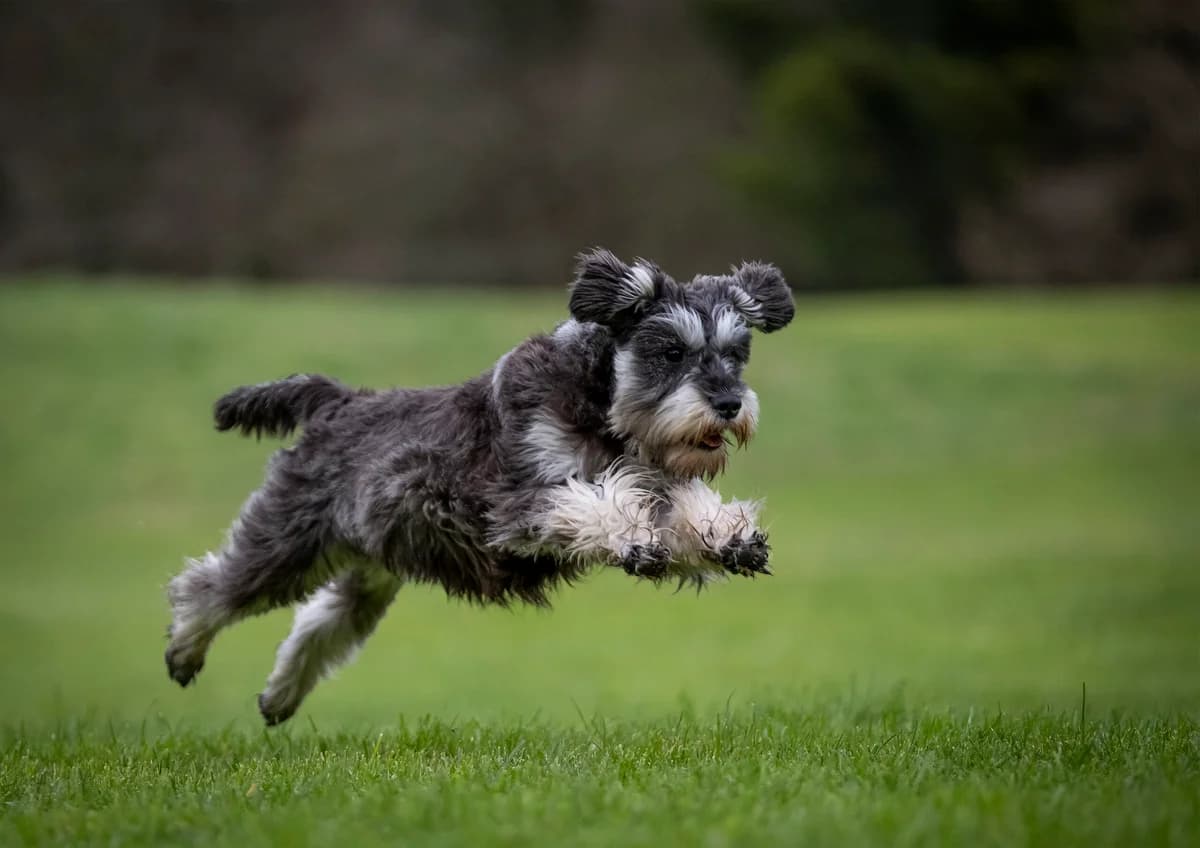
Adottare Keeping your animals safe at Halloween
Incrocio · Non noto · Cucciolo · 4 mesi
Halloween è un momento spaventoso, terribile e divertente per noi umani tuttavia, molti animali domestici e fauna selvatica troveranno questo periodo molto terribile. Abbiamo messo insieme alcuni consigli per aiutarvi a tenere sicuri i vostri animali durante Halloween: Idealmente, dovreste portare i vostri animali all'interno in questo periodo dell'anno per ridurre il rumore a cui sono esposti. Se avete bisogno di lasciare il vostro animale all'esterno, assicuratevi che sia in un luogo sicuro e protetto da cui non possa scappare. Dovrebbero avere un posto sicuro dove nascondersi all'interno se si spaventano per i rumori dei fuochi d'artificio e dei bambini che bussano alla porta. Lasciare le luci basse e accendere la radio o la televisione può aiutare a soffocare alcuni dei rumori poiché può essere un momento stressante per loro. I proprietari degli animali domestici possono aiutare i propri cani e gatti ad abituarsi ai rumori dei fuochi d'artificio di Halloween facendo ascoltare suoni simili a basso volume. È anche importante che i nostri animali siano al sicuro in una stanza chiusa dove non possono uscire da una porta aperta. Assicuratevi che il vostro animale porti un collare con un'etichetta di identificazione e sia microchippato. Se scappa vi renderà più facile riconoscerlo. Il microchip è un obbligo legale per tutti i cani e cuccioli. Portate a passeggio i vostri cani durante il giorno e nella prima serata, quando i fuochi d'artificio sono meno probabili. Anche se potrebbe essere difficile, cercate di non reagire al vostro animale che mostra segni di paura. Reagire può rafforzare la paura del vostro animale. Leccare oggetti come giocattoli pieni di premi può aiutare a calmare lo stress del vostro animale. Giocare con il vostro animale è un ottimo modo per distarlo, se non è troppo spaventato. Tenete lontane dai vostri animali dolci, decorazioni di Halloween e cibo. Il cioccolato e le uva passa sono altamente tossici per gli animali, così come ogni dolce che contiene il dolcificante xylitolo. Ingestione di fogli di alluminio o buste di plastica può causare problemi digestivi e potrebbe richiedere un intervento chirurgico. Se il vostro animale ingerisce qualcosa tossico, contattate immediatamente il vostro veterinario. Non tutti gli animali tollerano i costumi e potrebbe causare loro uno stress eccessivo. Indossate solo il costume per Halloween se sapete che il vostro animale lo apprezzerà. Se decidete di vestire il vostro animale, assicuratevi che non limiti il movimento, la vista, la capacità di respirare o il comportamento normale. Ricordate che i costumi possono essere molto caldi e possono impedire al vostro animale di regolare la temperatura corporea. Non utilizzate costumi con pezzi piccoli masticabili o vernici o coloranti tossici e non lasciate mai il vostro animale non sorvegliato mentre indossa un costume. Animali piccoli e uccelli Portate all'interno i vostri animali esterni, inclusi mammiferi piccoli o uccelli, in un garage sicuro o in un capanno dove sono protetti da qualsiasi rumore forte o fuochi d'artificio. Potete anche coprire le gabbie o i recinti con coperte per fungere da isolamento acustico. I porcospini entrano in letargo in questo periodo dell'anno e spesso dormono in cumuli di legna o in folti cespugli e foglie. Assicuratevi di controllare sotto tutti i cumuli di legna prima di accendere qualsiasi falò per verificare che non ci siano animali selvatici in letargo. Alcune decorazioni esterne, come reti di ragno finte o luci a corda, possono intrappolare animali selvatici. Fate attenzione a dove le appendete e rimuovetele velocemente dopo le festività. Cavalli, pony e asini devono essere microchippati. Si dovrebbe stallare gli animali se vivete in un'area con tanti rumori o fuochi d'artificio legati a Halloween. Cavalli ben fissati in stalla hanno minori probabilità di scappare o ferirsi quando spaventati. Purtroppo, gli animali randagi possono diventare vittime di abusi o scherzi crudeli di Halloween. Se vedete crueltà sugli animali: Contattate immediatamente la vostra stazione della Guardia di Finanza Lunedì-Venerdì Telefono: Per emergenze:
Leggi originale (en)
Halloween is a spooky, scary and fun time for us humans however, many pets and wildlife will find this time of year terrifying. We've put together some tips to help you keep your animals safe at Halloween: Ideally, you should bring your animals inside at this time of the year to reduce the noise they are exposed to. If you need to leave your animal outside, make sure they are in a secure and safe location they can't escape from. They must have a secure place to hide indoors if they are frightened by the noises of fireworks and trick-or-treaters calling to the door. Leaving the lights low and playing the radio or television can help drown out some of the sounds as it can be a stressful time for them. Pet owners can help train their dogs and cats to become accustomed to the sounds of Halloween fireworks by playing similar sounds at low volumes. It is also important our pets are kept safe in a secure room where they cannot dart out an open door. Make sure your pet is wearing an ID tag and is microchipped. If they escape it will make it easier for you to be reunited. Microchipping is a legal requirement for all dogs and puppies. Walk your dogs during the day and earlier evening, when fireworks are less likely. As difficult as it may be, try not to react to your pet showing signs of fear. Reacting can reinforce your pets fear. Licking objects such as toys filled with treats can help ease your pet’s stress. Playing with your pet is a great way to distract them, if they are not too frightened. Keep sweets and Halloween decorations out of reach of your pets. Chocolate and raisins are highly toxic to pets, as are any sweets containing the sugar substitute xylitol. Ingesting foil or plastic wrappers can also lead to digestive problems and may require surgery. If your pet does ingest something toxic, contact your vet immediately. Not all pets will tolerate wearing costumes and it may cause them undue stress. Only dress up your pet for Halloween if you know they enjoy it. If you do choose to put your pet in a costume, make sure it does not limit your pets movement, vision, ability to breathe or behave normally. Remember that costumes can be very warm, and can prevent your pet from regulating their body temperature. Don't use costumes with any small, chewable pieces or toxic paints or dyes and don't leave your pet unsupervised while wearing a costume. Small Animals and Birds Bring your outdoor pets, including small mammals or birds, indoors into a secure garage or shed where they are protected from any loud noise or fireworks. You can also cover hutches or cages with blankets to act as soundproofing. Hedgehogs go into hibernation this time of year and often sleep in woodpiles or heavy scrub and leaves. Be sure to check under all woodpiles before lighting any bonfires to ensure there is no wildlife hibernating. Some outdoor decorations such a fake spider webs or string lights can trap wild animals. Be careful about where you hang them and remove them quickly after the festivities. Horses, ponies and donkeys should also be microchipped. You should stable your animals if you live in an area with a lot of Halloween related noises or fireworks. Securely stabled horses are less likely to escape or injure themselves when spooked. Unfortunately, stray animals can fall victim to abuse or cruel Halloween pranks. If you witness animal cruelty: Contact your local Garda station immediately Monday-Friday Telephone: For emergencies:
Elencati 4 mesi fa