Adottare Should I Adopt A Husky
Incrocio · Non noto
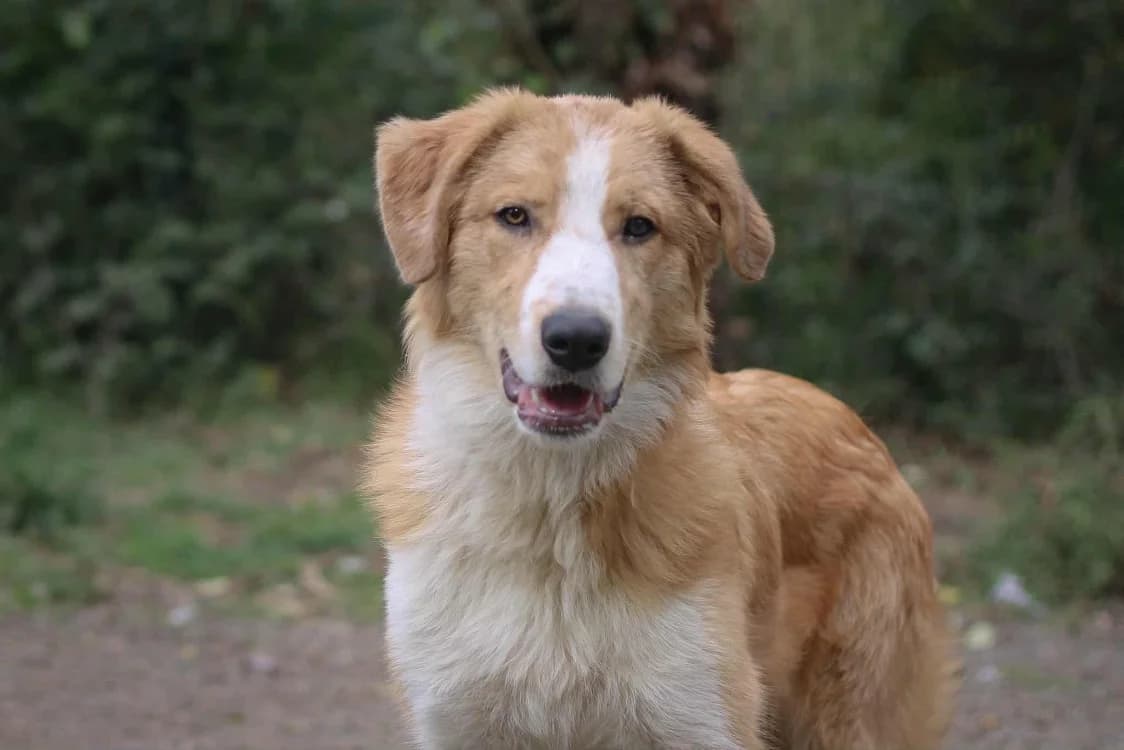
È adatto un Siberian Husky per te? Di Diane Morgan da Siberian Huskies For Dummies I Siberian Husky sono animali bellissimi, ma prima di decidere di adottarne uno, capisci se voi due siete una buona combinazione. I Husky richiedono un'enorme quantità di attenzione. Sono animali testardi e la maggior parte di loro si comporta meglio con un proprietario esperto. Questo non significa che non puoi avere un Siberian come tuo primo cane; significa che devi sapere cosa aspettarti. Alcune persone considerano i Husky testardi, ma è più preciso dire che sono determinati e perseveranti - qualità necessarie in un buon cane da slitta. I Husky si adattano a molte situazioni. Non sono cani per una sola persona, ma apprezzano la compagnia di tutta la famiglia, in particolare dei bambini. Anche gli estranei li piacciono. In effetti, se cerchi un guardiano, prendi un Chihuahua. I Husky raramente abbaiano ai visitatori indesiderati. Preferiscono restare in silenzio, scodinzolando mentre il ladro se ne va con i posate. Considera quanto segue: Bambini. La maggior parte dei Siberian è buona con i bambini; pochissimi non lo sono. Molto dipende dalla natura dei bambini. Bambini negligenti e crudeli non meritano un animale domestico. Non acquistare mai un animale domestico per insegnare responsabilità a un bambino. Sei tu l'adulto; hai la responsabilità di prenderti cura dell'animale. Molti cani che vanno bene per bambini più grandi non sono adatti per bambini sotto i 3 anni e un bambino piccolo non dovrebbe mai essere lasciato solo con un animale domestico, per entrambi i loro beni. Poiché molti bambini sono allergici al pelo e alla polvere di cane, i potenziali proprietari di Husky dovrebbero far fare ai loro figli i test allergici prima di portare a casa questa razza che perde molto pelo. La Nostra Casa. Le pulizie meticolose potrebbero non essere felici di possedere un Siberian. Questi cani perdono molto pelo e hanno una reputazione di comportamento distruttivo. Gran parte di questa reputazione è ingiustificata, ma è giusto avvertirti che se una casa estremamente pulita è molto importante per te, possedere un Siberian aggiungerà stress alla tua esistenza. Nonostante la sua perdita di pelo, i Siberian sono eccezionalmente puliti. Non hanno l'odore tipico del cane presente in molte razze. Sono mangiatori puliti, così come l'esercizio. I Siberian hanno bisogno di molto esercizio ogni giorno. Se vuoi un Husky, devi essere disposto a fornire al tuo cane un alto livello di attività necessario per mantenerlo felice e in salute. Queste attività possono includere corsa regolare, gioco, nuoto o meglio ancora, slittamento. Un unico Husky può tenere in forma diversi membri della famiglia. Sii onesto con te stesso su quanto esercizio puoi dare al tuo cane. Se non sei disposto o in grado di dare al tuo cane molto tempo, considera una razza con esigenze di attività più basse. Un Siberian Husky deve essere recintato oppure almeno esercitato vigorosamente diverse volte al giorno. La maggior parte delle comunità ha leggi sul contenimento e anche dove non ci sono, i Siberian Husky non possono essere lasciati liberi. Hanno la cattiva abitudine di inseguire e uccidere gatti, conigli e persino agnelli o vitelli. I Siberian husky sono amichevoli, giocosi, intelligenti e facilmente annoiati. Se tu e il tuo partner siete via casa per più di otto ore al giorno, probabilmente sarebbe meglio scegliere un'altra razza, perché i Husky possono diventare distruttivi e troppo iperattivi quando non ricevono abbastanza attività. Potrebbero ululare se si sentono trascurati. Essendo così amichevoli e raramente abbaiando, non sono solitamente buoni cani da guardia. I Husky sono noti per avere stomaci sensibili e non devono mai essere alimentati con cibo umano o avanzi di tavola. Essendo cani da lavoro, i loro corpi riescono a sopportare molto esercizio con un consumo minimo di cibo. Cibo per cani: per i cani che accudiamo, abbiamo creato il giusto mix 50/50 di cibo che è sensibile alla costituzione del Husky e sano per le sue esigenze alimentari in crescita. Abbiamo una formula che ci è voluto un anno a trovare ed è Pedro Country Muesli mescolato 50/50 con Red Mills Beef Engage. Alcune persone danno ai loro Husky una dieta cruda. Puoi cercare online ciò che è meglio e sperimentare. Ma, se il tuo Husky si ammala, puoi cucinargli una miscela di macinato/cetriolo/agnello con un mix di riso 1/2, lasciarlo raffreddare e darglielo per alcuni giorni finché il sistema digestivo non torna normale. Poi, introduci gradualmente il cibo secco. Perdita del pelo: Smaltire i peli A causa del loro pelo denso, i Siberian Husky possono perdere molto, soprattutto in climi caldi e stagioni calde. Due volte all'anno, passano una settimana o più perdendo molto. Pianifica di aspirare frequentemente, pettinare il tuo cane almeno una volta al giorno e condividere la tua casa con ciocche di pelo. Pettinatura: Il Siberian Husky deve essere pettinato, ma non così spesso come potresti pensare. Il cane deve essere pettinato una volta a settimana. Durante i periodi di perdita intensa, primavera e autunno, potresti voler pettinare il cane cinque o sei volte a settimana per prevenire i nodi e salvare l'aspirapolvere dallo scoppio. Usa un pettine a punte e assicurati di arrivare fino alla pelle. Investi in un buon aspirapolvere per animali domestici per aiutare a mantenere la casa! Rasatura: Non rasare il tuo Siberian Husky tranne se è assolutamente necessario per motivi medici. Rasare un husky non rende il cane più fresco. Anzi, un husky rasato è più suscettibile allo sfinimento termico. Il doppio pelo di un Siberian Husky è stato progettato naturalmente per regolare la temperatura del cane, quindi rasare il pelo elimina le difese naturali del cane. Inoltre, la pelle di un husky non è preparata per l'esposizione al sole e il cane potrebbe finire con cancro alla pelle. I nodi si formano. Ci sono prodotti sul mercato appositamente studiati per trattare i nodi. I prodotti sono essenzialmente condizionatori che aiutano a sciogliere il nodo lubrificando il pelo. Prova a smontare il nodo in pezzi più piccoli con le dita e a rimuoverlo poco alla volta con un pettine metallico. Se non riesci a togliere il nodo, porta il cane da un toelettatore professionista. I nodi possono causare dolore al cane e irritazione cutanea, quindi non possono essere ignorati. Il tuo toelettatore potrebbe dover tagliare il nodo. Bagni: Un'altra differenza tra i Siberian Husky e molti altri cani a doppio pelo è la frequenza dei bagni. Nonostante la grande quantità di pelo e l'amore per scavare, i Husky non hanno bisogno di bagni frequenti. Tranne quando il cane si è rotolato in un mucchio sporco, puzzolente o appiccicoso, devi bagnare il tuo Siberian Husky una volta ogni quattro mesi circa. La razza preferisce un manto pulito e si pulisce da sola quasi come i gatti. Artigiani di fuga – Preparare il tuo giardino Una casa con un grande cortile recintato è ideale per questa razza, purché non ti importi del tuo prato o giardino - questi cani scavano. Prima di adottare un Siberian Husky, rendi completamente impossibile fuggire il tuo giardino, perché questa razza ama esplorare
Leggi originale (en)
Is a Siberian Husky Right for You? By Diane Morgan from Siberian Huskies For Dummies Siberian Huskies are beautiful animals, but before you decide to get one, figure out if the two of you are a good match. Huskies require an enormous amount of attention. They are strong-willed animals, and most of them do better with an experienced dog owner. This doesn't mean that you can't have a Siberian for your first dog; it does mean you should know what to expect. Some people consider Huskies stubborn, but it is more accurate to say that they are determined and persevering — necessary qualities in a good sled dog. Huskies are adaptable to many situations. They aren't one-person dogs but enjoy the company of the entire family, particularly children. They like strangers, too. In fact, if you're looking for a watchdog, get a Chihuahua. Huskies seldom bark at trespassers. They prefer to stand around silently wagging their tails while the thief makes off with the silverware. Consider the following: Children. Most Siberians are good with and for children; a very few aren't. A lot depends on the nature of the children. Careless and cruel children don't deserve a pet of any kind. Never buy a pet to teach a child responsibility. You're the adult; you have the responsibility of caring for the pet. Many dogs who are fine for older children aren't suitable for children under the age of 3, and a young child should never be left alone with a pet, for both their sakes. Because many children are allergic to dog hair and dander, prospective Husky owners should get their kids allergy tested before bringing home this shedding breed. Our House. Meticulous housekeepers may not be happy owning a Siberian. These dogs shed a lot and have a reputation for destructive behavior. Much of this reputation is undeserved, but it's fair to warn you that if an extremely clean house is very important to you, owning a Siberian will add stress to your existence. Despite their shedding, Siberians are exceptionally clean. They don't have the doggy odor typical of many breeds. They are clean eaters, as well Exercise. Siberians need a lot of exercise — every day. If you want a Husky, you need to be willing to provide your pet with the high level of activity he requires to keep him happy and healthy. These activities can include regular jogging, playing, swimming, or best of all, sledding. One Husky can keep several members of the family in top condition. Be honest with yourself about how much exercise you can give your dog. If you're not willing or able to give your dog a lot of attention, consider a breed with lower activity-level needs. A Siberian Husky must be fenced in, or at least exercised vigorously several times a day. Most communities have containment laws, and even where there are none, Siberian Huskies cannot be allowed to roam free. They have a habit of chasing and killing cats, rabbits, and even lambs or calves. Siberian huskies are friendly, playful, intelligent and easily bored. If you and your partner are away from home for more than eight hours a day, you might do better with a different breed, because huskies can be destructive and overly hyper when they don’t get enough activity. They might also howl if they feel neglected. Because they're so friendly and rarely bark, they're not usually good guard dogs. Huskies are known for having sensitive stomachs and should never be fed “people food” or table scraps. Because they are working dogs, their bodies can sustain lots of exercise with very little food intake. Dog Food: for the dogs in our care, we've created the right 50/50 mix of food that is both sensitive to the huskies constitution and healthy in their growing dietary needs. We have a formula that's taken us a year to find and its Pedro Country Muesli mixed 50/50 with Red Mills Beef Engage. Some people feed their huskies a raw food diet. You can research online what is best and experiment. But, if your husky becomes sick you can cook them a combination of mince/chicken/lamb with 1/2 rice mixture, let it cool down and feed them that for a few days until their digestive system gets back to normal. Then, slowly introduce the kibble again. Shedding: Blowing Their Coats Because of their thick fur, Siberian huskies can shed a lot, especially in warm climates and seasons. Twice a year, they spend a week or more shedding very heavily. Plan on vacuuming frequently, brushing your dog at least daily and sharing your home with clumps of fur. Brushing: The Siberian husky does need to be brushed, but not as often as you might think. The husky needs to be brushed out weekly. During peak shedding times, spring and fall, you might want to brush the dog five or six times per week to prevent mats and save your vacuum from exploding. Use a pin brush and make sure your get all the way down to the skin. Invest in a good pet vacuum to help maintain the house! Shaving: Do not shave your Siberian husky unless it is absolutely medically necessary to do so. Shaving a husky doesn't make the dog cooler. As a matter of fact, a shaved husky is more susceptible to heat stroke. The double coat of a Siberian husky has been designed by nature to regulate the dog's temperature, so shaving the fur eliminates the dog's natural defenses. Furthermore, a husky's skin is not equipped to deal with sun exposure and your dog could very possibly end up with skin cancer. Mats happen. There are detangling products on the market specifically aimed at treating fur mats. The products are basically conditioners that help loosen the mat by lubricating the fur. Try working the mat into smaller pieces with your fingers and picking it little by little with a metal comb. If you can't work the mat out, take your dog to a professional groomer. Mats can cause a dog pain and lead to skin irritation, so they cannot be ignored. Your groomer may have to cut the mat out. Baths: Another difference between Siberian huskies and many of their fellow double coated dogs is bathing frequency. Despite the overwhelming amount of fur and love of digging, huskies don't need to be bathed often. Unless your dog has gotten into a dirty, stinky or sticky mess, you only need to bathe your Siberian husky once every four months or so. The breed prefers a clean coat and will groom themselves much like cats. Escape Artists – Preparing Your Garden A house with a large, fenced yard is best for this breed, as long as you don't care about your lawn or garden — these dogs dig. Before you adopt a Siberian husky, thoroughly escape-proof your yard, because this breed likes to roam and explore. You should have a fence that's at least six feet high, solidly built, with wire or concrete barriers below the fence to prevent the dog from digging out. Preventing Escape: Never let a Siberian husky off-leash at the park or during a walk, because she's likely to run away. This doesn't mean she's disloyal or dislikes you; the breed simply enjoys exploring and roaming around. If you adopt a husky, get her microchipped at the vet, and make sure she always wears a tag with her name, your name and your contact information. Below are a few videos on training a Husky:
Account gratuito — 10 contatti inclusi
Elencati mese scorso