Adoptă Cani sottozero. Una mini-guida
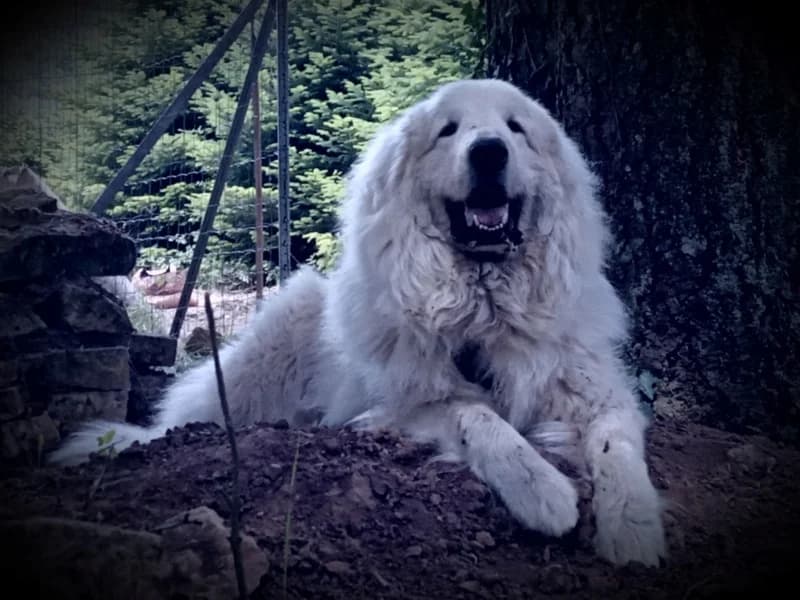
Rasă mixtă · Necunoscut · Pui · 4 luni
Câinii sensibili la frig? Cum să te comporti în fața venirii iernii, mai ales dacă este prima dată când câinele tău trăiește asprimea acestei sezoane? În primul rând, este necesar să înțelegi cât poate suporta animalul temperaturile joase și acest lucru depinde adesea de rasă. Câinii selectați pentru a rezista condițiilor dificile, pentru a trăi în munți sau pentru a înota bine sunt echipați cu un blană subțire care izolează și protejează împotriva agenților externi. Alte tipuri de câini, totuși, evident unele rasări mixte, lipsesc de acest "jachetă" specială care se îngroșează și se subțiază în funcție de nevoie, fiind astfel mai expuși riscurilor cauzate de frig. Dimensiunea joacă, de asemenea, un rol: câinii mici mențin căldura corporală pentru o perioadă mai scurtă decât cei mari, care au o masă corporală mai mare. Este, de asemenea, important să ții cont de starea de sănătate și vârsta câinelui: câinii slabi, pui de câine sau câinii în vârstă suferă mult mai mult de frig. Prin urmare, bunul simț, dar mai ales o cunoaștere profundă a prietenului tău cel de patru picioare, este întotdeauna valid. Spunând asta, există practici bune care pot fi implementate pentru a permite câinelui să trăiască iarna fără probleme. Un lucru puțin cunoscut este că un câine sănătos cu păr mediu sau scurt poate suporta să stea afară din casă până la +4°, dacă este plasat într-un cuibărie uscat, cald și suficient protejat: însă, odată ce acest prag este depășit, ar trebui să rămână în interior, mai ales noaptea, când temperatura scade considerabil față de zi. Nutriția este, de asemenea, importantă, deoarece câinii tind să mănânce mai mult în iarnă pentru a menține un consum adecvat de calorii: este, prin urmare, recomandat ca aceștia să mănânce mâncare mai bogată în vitamine, proteine, carbohidrați și grăsimi. Acest lucru este mai ales adevărat pentru câinii care lucrează în exterior, care consumă mult mai multă energie decât un câine sedentar. Apa nu trebuie niciodată prea rece și atenția trebuie acordată și jucăriilor în zăpadă: dacă este mâncată prea multă, apare riscul ca animalul să sufre probleme gastrointestinale. Umiditatea este, de asemenea, dușmanul câinilor în timpul sezonului rece și este o practică bună să-i usuci complet nu doar după o baie, ci mai ales dacă au fost în ploaie sau în zăpadă, situații unde este necesar să acorzi atenție călăilor lor, unde pot apărea cristale de gheață. Perierea regulată a blănii ajută la regenerarea blănii subțiri și este, prin urmare, o superbă practică pentru iarnă: invers, învățarea câinelui în iarnă este clar nerecomandată (dar este, de asemenea, nerecomandată în orice sezon!). Este periculos să lăsăm câinele în mașină timp îndelungat, deoarece cabină se răcește rapid ajungând la temperaturi extrem de joase: în astfel de cazuri, există riscul ca câinele să intre în hipotermie, al cărei simptome principale sunt tremurul, somnolența, indiferența, blana ridicată și împleticită și urechile foarte reci. Acestea nu sunt simptome de luat ușor și este mai bine să fie verificate de un medic veterinar. O notă finală este destinată „îmbrăcământului” pentru câini: există acum mii de haine și pulovere care atrag inevitabil mulți posesori de câini, mai ales cei cu câini mici. Cu toate acestea, chiar și în acest caz, este corect să știi dacă câinele are nevoie cu adevărat să fie acoperit și, în orice caz, să te asiguri că „costumul” este impermeabil și acoperă zonele delicate și sensibile precum burtă și piept.
Citire originală (it)
I cani soffrono il freddo? Come ci si deve comportare di fronte all’arrivo dell’inverno, soprattutto se è la prima volta che il proprio cane conosce i rigori di questa stagione? Innanzitutto è necessario capire quanto l’animale possa sopportare le basse temperature e questa spesso è una questione di razze. I cani selezionati per resistere in condizioni difficili, per vivere in montagna o per nuotare bene sono dotati di un sottopelo protettivo che li isola e li difende dagli agenti esterni. Altri tipi di cani, invece, ovviamente anche alcuni meticci, sono privi di questa speciale “giacca” che si infoltisce e si dirada in base alla necessità, e quindi più esposti ai rischi causati dal freddo. Anche la taglia influisce: i cani più piccoli mantengono il calore del corpo per meno tempo rispetto a quelli più grandi, dotati di maggiore massa corporea. Bisogna poi tenere in considerazione lo stato di salute e anche l’età del cane: cani debilitati, cuccioli o anziani soffrono il freddo molto di più. Valgono sempre, quindi, non solo il buon senso, ma soprattutto la conoscenza profonda del proprio amico a quattrozampe. Detto ciò, esistono buone pratiche che si possono mettere in atto per permettere al cane di vivere la stagione invernale senza problemi. Una delle informazioni meno note è che un cane in salute e dotato di pelo medio o corto può resistere fuori di casa fino a +4°, purchè posto in una cuccia asciutta, calda e sufficientemente riparata: ma superata quella soglia dovrebbe starsene in casa, soprattutto di notte quando la temperatura si abbassa anche di parecchio rispetto al giorno. Anche l’alimentazione è importante, dato che in inverno il cane tende a mangiare di più per mantenere un corretto apporto di calorie: è quindi opportuno che mangi cibo più ricco di vitamine, proteine, carboidrati e grassi. Ciò vale in particolare per i cani impiegati in lavori all’aperto che consumano molta più energia di un cane sedentario. L’acqua non dovrebbe essere mai troppo fredda e si dovrebbe fare attenzione anche ai giochi nella neve: se ne mangia troppa, c’è il rischio che l’animale vada incontro a problemi di stomaco e intestinali. Anche l’umidità è nemica dei cani nella stagione fredda ed è buona norma asciugarli bene non soltanto dopo il bagno, ma soprattutto se sono stati sotto la pioggia o in mezzo alla neve, circostanze in cui è necessario fare attenzione anche alle zampe dove possono formarsi cristalli di ghiaccio. Spazzolare il mantello con regolarità aiuta a rigenerare il sottopelo ed è quindi un’ottima abitudine anti-freddo: al contrario tosare il cane in inverno è chiaramente sconsigliato (ma lo è sempre, in ogni stagione!). È pericoloso lasciare il cane in macchina per molte ore perché l’abitacolo si raffredda velocemente raggiungendo temperature estremamente basse: in presenza delle quali sorge il rischio che il cane vada in ipotermia, i cui segnali principali sono tremore, sonnolenza, apatia, pelo rizzato e gonfio e orecchie molto fredde. Non sono sintomi da sottovalutare ed è dunque meglio sottoporli alla visita di un veterinario. Un ultimo appunto va riservato ai “capi di vestiario” per cani: ormai esistono innumerevoli cappottini e maglioncini che attirano inevitabilmente molti proprietari di cani, specialmente di piccola taglia. Anche in questo caso però è giusto sapere se il cane davvero necessita di essere coperto e, in ogni caso, bisogna accertarsi che il “vestito” sia impermeabile e copra bene zone delicate e sensibili come la pancia e il torace.
Listat acum 5 luni