Adoptera Willow
Korsad ras · Hon · Valp · 6 månader
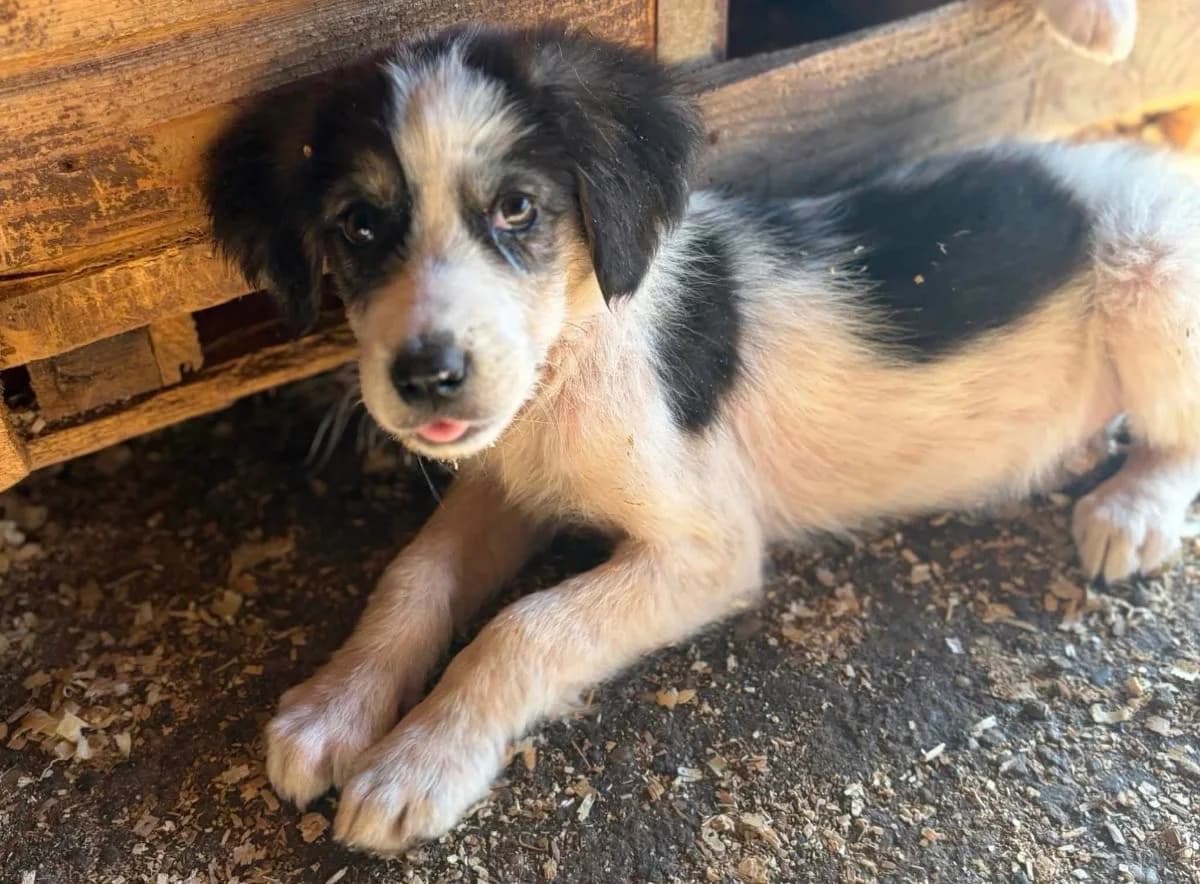
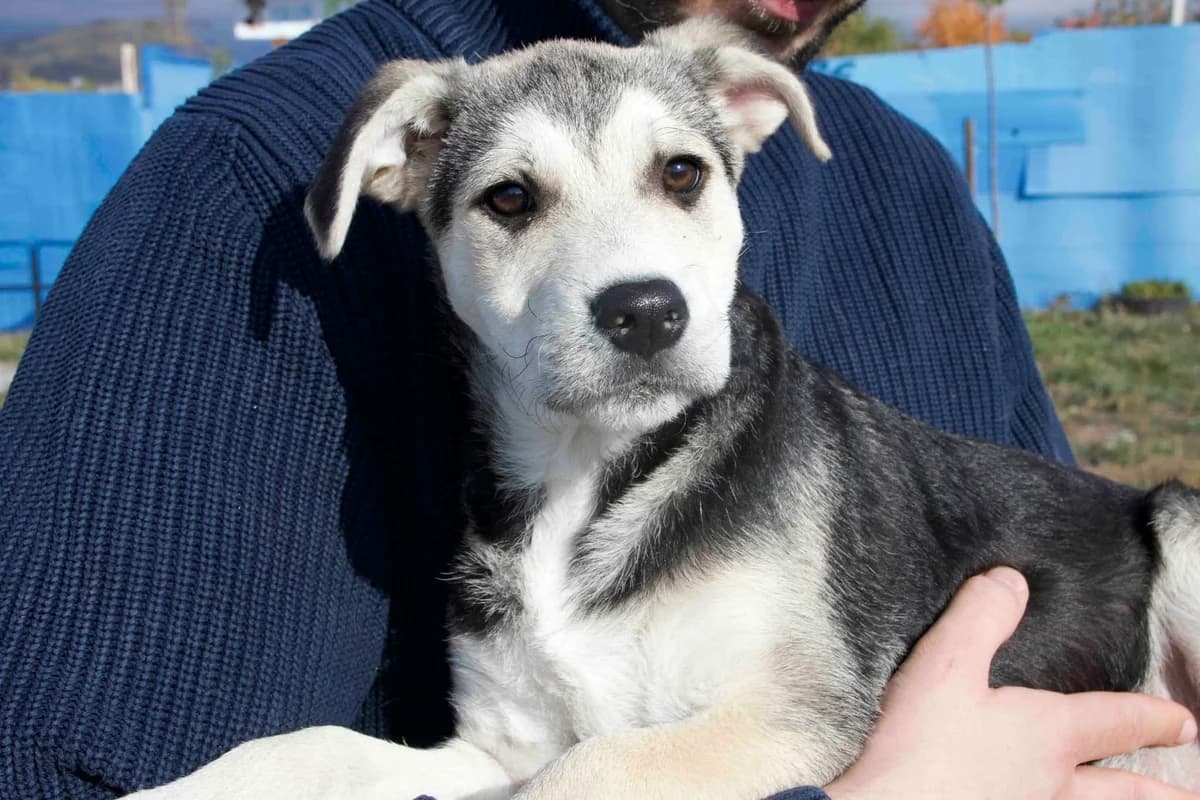
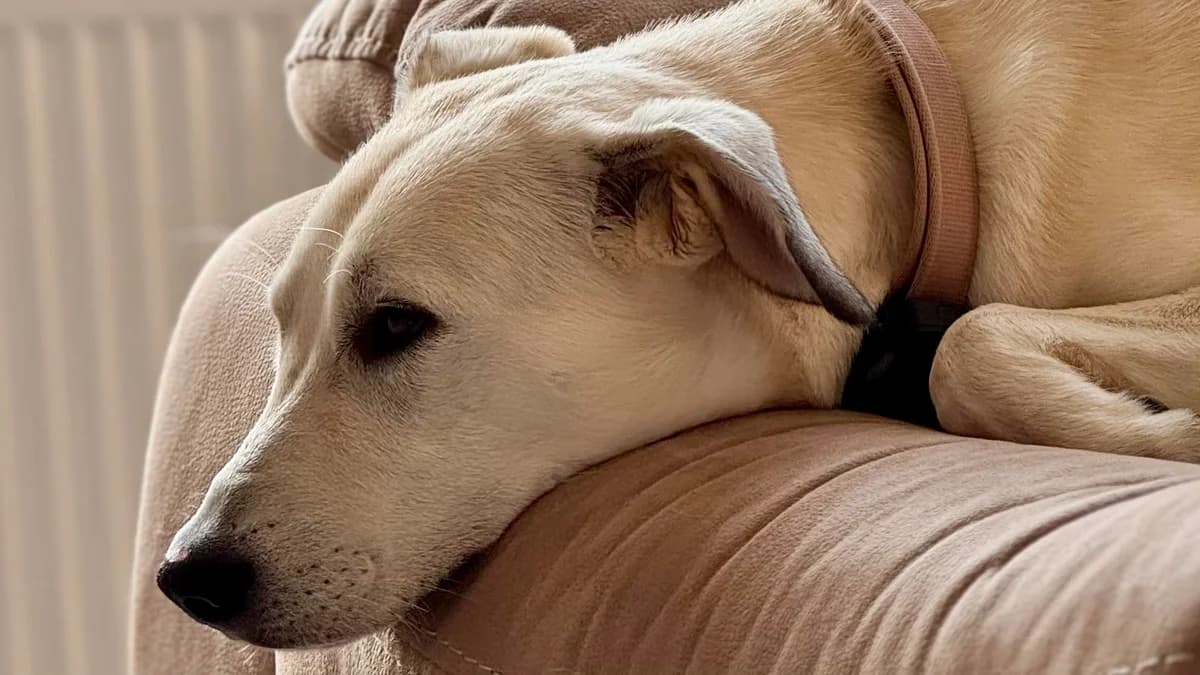
Willow kom till oss när hon var ungefär 10 veckor gammal, och när vi första gången annonserade ut henne för omplacering hade hon varit hos oss i ungefär fyra veckor. Hon väckte ett stort intresse när vi först annonserade ut henne för omplacering. Vi bombarderades med ansökningar och förfrågningar! På grund av en förändring i de förväntade restriktionerna under nedstängningen var vi begränsade i hembesök, så vi beslutade att ta bort Willows annons så att vi kunde ägna mer tid åt att hjälpa henne att komma till ro och lära känna henne. Hon är på intet sätt färdigutvecklad och är just på väg in i tonåren, men tack vare underbara fosterhem och ett omfattande program med social och miljömässig exponering anpassad efter hennes utvecklingsstadium mognar Willow till en underbar ung dam. Willow är ungefär 5,5–6 månader gammal och är en mixras av okänd härkomst. Hon har fortfarande mycket att växa, men hennes snabba tillväxtfas börjar avta, så hon kommer sannolikt att bli en stor hund (kanske cirka 30–40 kg) som vuxen. Men vem vet! När Willow kom till oss visade hon sig vara socialt och miljömässigt försiktig, vilket innebär att hon alltid kommer att vara lite blyg och mjuk. Detta är något som i stor utsträckning fastställs redan vid ungefär fem veckors ålder, i kombination med genetik, naturligtvis. (Så avgörande är tidig och lämplig social och miljömässig exponering.) Vi har arbetat mycket, mycket hårt med henne, och hennes självförtroende och motståndskraft har förbättrats enormt. Willow går nu in i tonåren och får sina permanenta tänder. Tonåren är överlägset den svåraste utvecklingsfasen för hundar, och för deras människor. Det innebär att vi kommer att arbeta med Willows nya människor under en god tid före och efter adoptionen, och hennes nya familj måste verkligen vara engagerad i att ta sig igenom hundens tonår. (Viss information finns här.) Hundar genomgår många stadier och förändringar fram till beteendemässig mognad, som kan inträffa vid ungefär tre års ålder. Det innebär att Willow kommer att förändras mycket fram till dess. Hon har en god grund i sociala färdigheter, engagemang, miljöexponering, träning för att vara instängd, nattträning, toalettträning, komfort vid hantering, självförtroendeuppbyggnad och berikning. Detta och mer måste fortsätta i hennes nya liv. Medan alla nya hundar kräver mycket arbete och stöd för att komma till ro och för att läggas upp för framgång, kräver tonåringar mer. Mycket mer. Willows nya människor måste vara beredda att noggrant sätta vårt program i verket och hantera tonårsbitande och hoppande (det kommer att bli mycket av detta); regression i toalett- och nattträning som är vanlig i tonåren, tandbyte och flyttning; samt hantering av ytterligare utmanande beteenden under tonåren, särskilt utomhus, inklusive rädsle- och upphetsningsrelaterade beteenden som ofta ses under tonårsmånaderna. AniEd kommer att fortsätta att stödja Willow och hennes nya familj. De flesta tror att valpgrejer är utmanande, men det är ingenting jämfört med det arbete som tonårshundar behöver… och när Willow åker hem kommer hon att vara en fullfjädrad tonåring! Willow har utmärkta färdigheter med andra hundar, och för hennes beteendemässiga välfärd måste hon åka hem till en lämplig hund. Hennes nya kompis bör vara en hane av medelstor till stor storlek som är lekfull och robust men kan hantera sin upphetsning i interaktioner med andra hundar. Vi kommer att ägna tid, före adoptionen, åt att hjälpa dem att lära känna varandra innan hon åker hem. Hon och hennes nya kompis kommer att behöva en stor och säker trädgård vid huset så att de kan umgås. Willow kommer inte att flytta till ett hem med andra husdjur, såsom katter, kaniner, fåglar etc. Den bästa platsen för Willow är i ett landsbygds- eller förortsområde med gott om grönytor som inte är tätt bebyggt eller mycket trafikerat. Det kommer att vara viktigt att ha möjlighet att köra henne till lämpliga områden för motion och utforskande, särskilt i början. Willow är en ung hund – ansök inte om henne om du inte kommer att vara tillgänglig för henne under dagtid. Det innebär att hennes nya människor måximalt får arbeta deltid, och det gäller även om man arbetar hemifrån – du arbetar fortfarande! Detta är viktigt för unga hundar i allmänhet, och för just denna hund i synnerhet, så att hon kan lära sig att vara med människor i vardagen. Willow kan tillbringa korta stunder ensam, instängd, varje dag och trivs väl ensam i sin hage eller bur. Hon måste vara instängd eftersom hon är en stursk ung hund och definitivt kommer att hitta på bus! Willow är vaccinerad och mikrochippad (972274200058273), och vi kommer att ordna sterilisering när hon har utvecklats mer och det är friskt och säkert att kastrera. Kommer att fortsätta arbeta med AniEd på ett uppföljningsprogram efter adoptionen Kommer att ha en annan lämplig hund Kommer att ha inga boende barn och besökande barn, i högst fall sällan Måste ha en säker trädgård, av god storlek, vid huset Arbetar deltid, i högst fall, även efter nedstängningen men är hemma mycket av tiden initialt Åtagen att fortsätta arbeta med utmanande tonårsbeteende och stödja henne genom hela processen Redo för livet med en stor, kelig hund! Willow är rolig och underbar; en så imponerande hund. Hon har specifika krav, och med rätt stöd kommer hon att fortsätta bli en fantastisk följeslagare och växa i självförtroende. Men hon kanske aldrig blir en social fjäril och kan behöva viss hantering och specifika verktyg för att bibehålla sin komfort, särskilt under tonåren. Om du har ansökt om Willow tidigare, ansök inte igen. Hon kommer inte att flytta till ett hem med barn eller sårbara vuxna (hon är stor, stormig och väldigt klumpig); hon kommer inte att flytta till ett hem utan en annan hund eller med andra husdjur; hon kommer inte att flytta till ett hem där den främsta vårdgivaren (det är personen vi är i kontakt med) arbetar mer än deltid, även om man arbetar hemifrån; vi rekommenderar inte hunddagis eller hundparker (eller liknande) för någon av våra hundar, och Willow kommer inte att flytta till ett hem där detta skulle vara en del av hennes liv; hon måste flytta till ett hem med en säker och god storlek på trädgården vid huset så att hon har utrymme att umgås medan hon kommer till ro och lär känna sin nya kompis; Willow måste flytta till ett hem med en lämplig hund vars sociala beteende är sådant att han kommer att klara en stor, tonårig kompis. Läs Willows profil noggrant och ansök endast om du anser att du uppfyller kriterierna. Vi kommer endast att kunna behandla ansökningar som matchar Willows behov. Dept of Ag. Registreringsnummer: JPT20000
Läs original (en)
Willow came to us when she was about 10 weeks of age and when we first advertised her for rehoming she had been with us about four weeks. She caused quite a stir when we first posted her for rehoming - we were bombarded with applications and enquiries! Due to a change in the expected lockdown restrictions, we were limited in home-checking so decided to pull Willow’s ad so that we could spend more time helping her settle and getting to know her. She is by no means the finished article, and is just entering adolescence, but with thanks to wonderful foster humans and in-depth program of social and environmental exposure appropriate for her developmental stage, Willow is maturing into a lovely young lady. Willow is about 5.5-6 months old and is a mix breed of unknown parentage. She still has plenty of growing to do, but her fast-growth stage is slowing, so she will likely be a large dog (maybe about 30-40kg) as an adult. But, who knows! When Willow came to us, she presented as socially and environmentally cautious and this means that she will always be a little shy and soft; this is something that’s really established by about five weeks of age, combined with genetics, of course. (That's just how crucial early and appropriate social and environmental exposure is.)We have worked very very hard with her and her confidence and resilience have massively improved. Willow is now entering adolescence and is getting her adult teeth. Adolescence is by far the most difficult developmental stage for dogs, and their humans. That means that we will be working with Willow’s new people for quite some time pre- and post-adoption and her new family will really need to be committed to riding the waves of canine adolescence. (Some info here.) Dogs go through a lot of stages and changes until behavioural maturity, which can be about three years of age. That means Willow will change a lot between now and then. She has great foundations in social skills, engagement, environmental exposure, confinement training, night-time training, toilet training, handling comfort, confidence building and enrichment. This and more must be continued in her new life. While all new dogs require plenty of work and support to help them settle and set them up for success, adolescents will need more. A lot more. Willow's new humans will need to be prepared to diligently put our program in place and deal with adolescent mouthing and jumping (there will be plenty of this); regression in toilet training and night-time training common with adolescence, teething and moving; dealing with further adolescent challenging behaviours especially out and about, including fear and arousal related behaviours so often seen during the teenage months. AniEd will continue to support Willow and her new family. Most people think puppy stuff is challenging, but that ain't nothing compared to the work adolescent dogs need...and by the time Willow goes home, she will be a fully fledged teenager! Willow has excellent dog-dog skills and for her behavioural welfare, she must go home with a suitable dog. Her new pal should be a male of a medium-large size who is playful and robust but able to manage his arousal in interactions with other dogs. We will spend some time, pre-adoption, helping them get to know one another before she goes home. She, and her new pal, will need a good-sized and secure garden at the house so they can hang out. Willow will not go to a home with other pets, such as cats, rabbits, birds etc. The best location for Willow will be in a rural or suburban area that has plenty of green space and is not heavily built up or very busy. Having means to drive her to suitable areas for exercise and exploration, especially early on, will be important. Willow is a young dog - do not apply for her if you are going to be unavailable to her during the day. That means her new humans must be working at a maximum part time and that includes if working from home - you’re still working! This is important for young dogs generally, and this dog specifically, so that she can learn to be around life with humans. Willow can spend short amounts of time alone, in confinement, each day and settles well while alone in her pen or crate. She must be confined as she is a naughty young dog and will definitely get herself into mischief! Willow is vaccinated and microchipped (972274200058273) and we will organise spaying her when she has developed more and it's healthy and safe to neuter. will continue to work with AniEd on a post-adoption program will have another suitable dog will have no resident children and visiting children, at most, infrequently must have a secure garden, of a good size, at the house works part-time, at most, even after lockdown but is home much of the time initially committed to continuing to work with challenging adolescent behaviour, and supporting her throughout ready for life with a big, cuddly dog! Willow is fun and lovely; such a stunning dog. She has specific requirements and with the right support, she will continue to become an awesome companion and grow in confidence. But, she may not ever be a social-butterfly and may need some management and specific tools in place to help maintain her comfort, especially through adolescence. If you applied for Willow before, please do not apply again. She will not go to a home with children or vulnerable adults (she is big, boisterous and terribly clumsy); she will not go to a home without another dog or with other pets; she will not go to a home where the primary care giver/s (that’s the person we’re in contact with) works etc. any more than part time, even if working from home; we do not recommend dog-daycares or dog-parks (or similar) for any of our dogs and Willow will not go to a home where this would be part of her life; she must go to a home with a secure and good-sized garden at the house so that she has space to hangout as she settles and gets to know her new companion; Willow must go to a home with a suitable dog whose social behaviour is such that he will be able for a large, adolescent pal. Please read Willow's profile carefully and apply only if you feel you match the criteria. We will only be able to process applications that match Willow's needs. Dept of Ag. Registration No: JPT20000
Listade för 5 månader sedan