Adoptar a Willow
Mestizo · Hembra · Cachorro · 6 meses
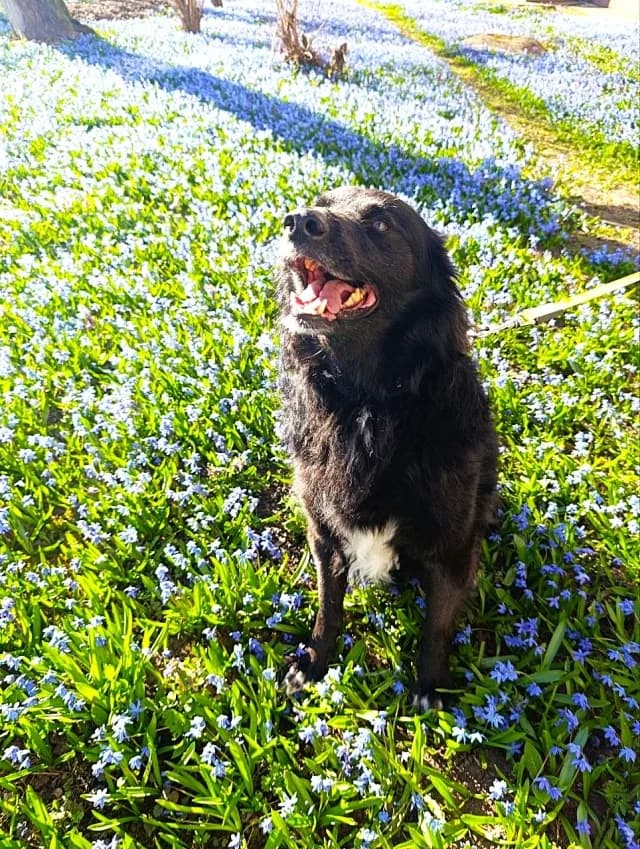
Willow llegó a nosotros cuando tenía aproximadamente 10 semanas de edad y cuando anunciamos por primera vez su adopción, había estado con nosotros unos cuatro semanas. Ella causó una gran sensación cuando la publicamos para su adopción: recibimos una avalancha de solicitudes y consultas. Debido a un cambio en las restricciones esperadas de cuarentena, estuvimos limitados en los controles a domicilio, por lo que decidimos retirar el anuncio de Willow para poder pasar más tiempo ayudándola a adaptarse y conocerla mejor. Ella no es en absoluto el producto terminado y está entrando en la adolescencia, pero gracias a los fantásticos cuidadores temporales y a un programa profundo de socialización y exposición ambiental adecuado a su etapa de desarrollo, Willow se está convirtiendo en una joven muy agradable. Willow tiene aproximadamente 5,5-6 meses de edad y es un cruzado de ascendencia desconocida. Aún le queda mucho crecimiento, pero su etapa de rápido crecimiento está disminuyendo, por lo tanto, probablemente será un perro grande (quizás unos 30-40 kg) cuando sea adulta. Pero, ¿quién sabe! Cuando llegó a nosotros, presentaba cierta cautela social y ambiental, lo que significa que siempre será un poco tímida y suave; esto se establece realmente alrededor de las cinco semanas de edad, combinado con la genética, por supuesto. (Eso es solo lo crucial que es la socialización y exposición ambiental temprana y adecuada). Hemos trabajado muy, muy duro con ella y su confianza y resiliencia han mejorado enormemente. Willow ahora entra en la adolescencia y está desarrollando sus dientes adultos. La adolescencia es sin duda la etapa más difícil del desarrollo para los perros y sus dueños. Eso significa que trabajaremos con las nuevas personas de Willow durante bastante tiempo antes y después de la adopción y la nueva familia deberá estar realmente comprometida con el proceso de la adolescencia canina. (Algunas informaciones aquí.) Los perros pasan por muchas etapas y cambios hasta alcanzar la madurez comportamental, que puede ser alrededor de los tres años de edad. Eso significa que Willow cambiará mucho entre ahora y entonces. Tiene una excelente base en habilidades sociales, participación, exposición ambiental, entrenamiento en confinamiento, entrenamiento nocturno, entrenamiento en eliminación, comodidad al manipularla, construcción de confianza y riqueza. Esto y más debe continuar en su nueva vida. Aunque todos los perros nuevos requieren mucha ayuda y apoyo para adaptarse y asegurar su éxito, los adolescentes requerirán aún más. Muchísimo más. Los nuevos humanos de Willow deberán estar preparados para implementar diligentemente nuestro programa y lidiar con el mordisqueo y salto adolescente (habrá mucho de eso); regresión en el entrenamiento de eliminación y entrenamiento nocturno común en la adolescencia, debido a la dentición y movimiento; lidiar con comportamientos desafiantes adicionales durante la adolescencia, especialmente fuera de casa, incluidos comportamientos relacionados con el miedo y la excitación tan frecuentes durante los meses de adolescencia. AniEd continuará apoyando a Willow y a su nueva familia. La mayoría de la gente piensa que lo de cachorros es desafiante, pero eso no es nada comparado con el trabajo que necesitan los perros adolescentes... y cuando Willow vaya a casa, ¡será una verdadera adolescente! Willow tiene excelentes habilidades con otros perros y, para su bienestar conductual, debe ir a casa con un perro adecuado. Su nuevo compañero debe ser un macho de tamaño mediano-grande, juguetón y robusto, pero capaz de controlar su nivel de estimulación en interacciones con otros perros. Pasaremos algún tiempo, antes de la adopción, ayudándolos a conocerse antes de que ella vaya a casa. Ella y su nuevo compañero necesitarán un jardín suficientemente grande y seguro en la casa para que puedan estar juntos. Willow no irá a una casa con otros animales domésticos, como gatos, conejos, aves, etc. La mejor ubicación para Willow sería en un área rural o suburbana que tenga espacio verde suficiente y no esté muy poblada ni sea muy ocupada. Tener medios para llevarla a áreas adecuadas para ejercicio y exploración, especialmente al principio, será importante. Willow es un perro joven: no postules por ella si vas a estar inactivo durante el día. Eso significa que sus nuevos humanos deben trabajar a tiempo parcial como máximo y eso incluye si trabajan desde casa - ¡todavía estás trabajando! Esto es importante para los perros jóvenes en general, y especialmente para este perro, para que pueda aprender a estar presente en la vida con humanos. Willow puede pasar cortos períodos solita, en confinamiento, cada día y se adapta bien cuando está sola en su corral o jaula. Debe estar en confinamiento ya que es una perra traviesa y definitivamente se meterá en líos. Está vacunada y microchipada (972274200058273) y organizaremos la castración cuando haya desarrollado más y sea saludable y seguro esterilizarla. Continuaré trabajando con AniEd en un programa post-adopción tendrá otro perro adecuado tendrá sin niños residentes ni visitantes, como máximo, ocacionalmente tendrá un jardín seguro y de buen tamaño en la casa trabajará a tiempo parcial como máximo, incluso después de la cuarentena pero estará en casa la mayor parte del tiempo inicialmente comprometido con seguir trabajando con el comportamiento desafiante de la adolescencia, y apoyarla durante todo el proceso lista para vivir con un perro grande y acogedor. Willow es divertida y encantadora; qué perro tan impresionante. Tiene requisitos específicos y con el soporte adecuado, continuará convirtiéndose en un compañero maravilloso y ganará confianza. Pero, quizás nunca sea una mariposa social y podría necesitar algunos manejos y herramientas específicas para mantener su comodidad, especialmente durante la adolescencia. Si ya aplicaste por Willow antes, por favor no vuelvas a aplicar. No irá a una casa con niños o adultos vulnerables (es grande, ruidosa y terriblemente torpe); no irá a una casa sin otro perro o con otros animales domésticos; no irá a una casa donde el principal cuidador (la persona con quien tenemos contacto) trabaje más de tiempo parcial, incluso si trabaja desde casa; no recomendamos guarderías caninas o parques caninos (o similares) para ninguno de nuestros perros y Willow no irá a una casa donde esto forme parte de su vida; debe ir a una casa con un jardín seguro y de buen tamaño en la casa para que tenga espacio para relajarse mientras se adapta y conoce a su nuevo compañero; Willow debe ir a una casa con un perro adecuado cuyo comportamiento social sea tal que pueda manejar un gran compañero adolescente. Por favor lea cuidadosamente el perfil de Willow y postúlese solo si cree que cumple con los criterios. Solo procesaremos las solicitudes que coincidan con las necesidades de Willow. Departamento de Agricultura. Número de Registro: JPT20000
Leer original (en)
Willow came to us when she was about 10 weeks of age and when we first advertised her for rehoming she had been with us about four weeks. She caused quite a stir when we first posted her for rehoming - we were bombarded with applications and enquiries! Due to a change in the expected lockdown restrictions, we were limited in home-checking so decided to pull Willow’s ad so that we could spend more time helping her settle and getting to know her. She is by no means the finished article, and is just entering adolescence, but with thanks to wonderful foster humans and in-depth program of social and environmental exposure appropriate for her developmental stage, Willow is maturing into a lovely young lady. Willow is about 5.5-6 months old and is a mix breed of unknown parentage. She still has plenty of growing to do, but her fast-growth stage is slowing, so she will likely be a large dog (maybe about 30-40kg) as an adult. But, who knows! When Willow came to us, she presented as socially and environmentally cautious and this means that she will always be a little shy and soft; this is something that’s really established by about five weeks of age, combined with genetics, of course. (That's just how crucial early and appropriate social and environmental exposure is.)We have worked very very hard with her and her confidence and resilience have massively improved. Willow is now entering adolescence and is getting her adult teeth. Adolescence is by far the most difficult developmental stage for dogs, and their humans. That means that we will be working with Willow’s new people for quite some time pre- and post-adoption and her new family will really need to be committed to riding the waves of canine adolescence. (Some info here.) Dogs go through a lot of stages and changes until behavioural maturity, which can be about three years of age. That means Willow will change a lot between now and then. She has great foundations in social skills, engagement, environmental exposure, confinement training, night-time training, toilet training, handling comfort, confidence building and enrichment. This and more must be continued in her new life. While all new dogs require plenty of work and support to help them settle and set them up for success, adolescents will need more. A lot more. Willow's new humans will need to be prepared to diligently put our program in place and deal with adolescent mouthing and jumping (there will be plenty of this); regression in toilet training and night-time training common with adolescence, teething and moving; dealing with further adolescent challenging behaviours especially out and about, including fear and arousal related behaviours so often seen during the teenage months. AniEd will continue to support Willow and her new family. Most people think puppy stuff is challenging, but that ain't nothing compared to the work adolescent dogs need...and by the time Willow goes home, she will be a fully fledged teenager! Willow has excellent dog-dog skills and for her behavioural welfare, she must go home with a suitable dog. Her new pal should be a male of a medium-large size who is playful and robust but able to manage his arousal in interactions with other dogs. We will spend some time, pre-adoption, helping them get to know one another before she goes home. She, and her new pal, will need a good-sized and secure garden at the house so they can hang out. Willow will not go to a home with other pets, such as cats, rabbits, birds etc. The best location for Willow will be in a rural or suburban area that has plenty of green space and is not heavily built up or very busy. Having means to drive her to suitable areas for exercise and exploration, especially early on, will be important. Willow is a young dog - do not apply for her if you are going to be unavailable to her during the day. That means her new humans must be working at a maximum part time and that includes if working from home - you’re still working! This is important for young dogs generally, and this dog specifically, so that she can learn to be around life with humans. Willow can spend short amounts of time alone, in confinement, each day and settles well while alone in her pen or crate. She must be confined as she is a naughty young dog and will definitely get herself into mischief! Willow is vaccinated and microchipped (972274200058273) and we will organise spaying her when she has developed more and it's healthy and safe to neuter. will continue to work with AniEd on a post-adoption program will have another suitable dog will have no resident children and visiting children, at most, infrequently must have a secure garden, of a good size, at the house works part-time, at most, even after lockdown but is home much of the time initially committed to continuing to work with challenging adolescent behaviour, and supporting her throughout ready for life with a big, cuddly dog! Willow is fun and lovely; such a stunning dog. She has specific requirements and with the right support, she will continue to become an awesome companion and grow in confidence. But, she may not ever be a social-butterfly and may need some management and specific tools in place to help maintain her comfort, especially through adolescence. If you applied for Willow before, please do not apply again. She will not go to a home with children or vulnerable adults (she is big, boisterous and terribly clumsy); she will not go to a home without another dog or with other pets; she will not go to a home where the primary care giver/s (that’s the person we’re in contact with) works etc. any more than part time, even if working from home; we do not recommend dog-daycares or dog-parks (or similar) for any of our dogs and Willow will not go to a home where this would be part of her life; she must go to a home with a secure and good-sized garden at the house so that she has space to hangout as she settles and gets to know her new companion; Willow must go to a home with a suitable dog whose social behaviour is such that he will be able for a large, adolescent pal. Please read Willow's profile carefully and apply only if you feel you match the criteria. We will only be able to process applications that match Willow's needs. Dept of Ag. Registration No: JPT20000
Publicado hace 3 meses