Adoptar a Winston
Mestizo · Desconocido
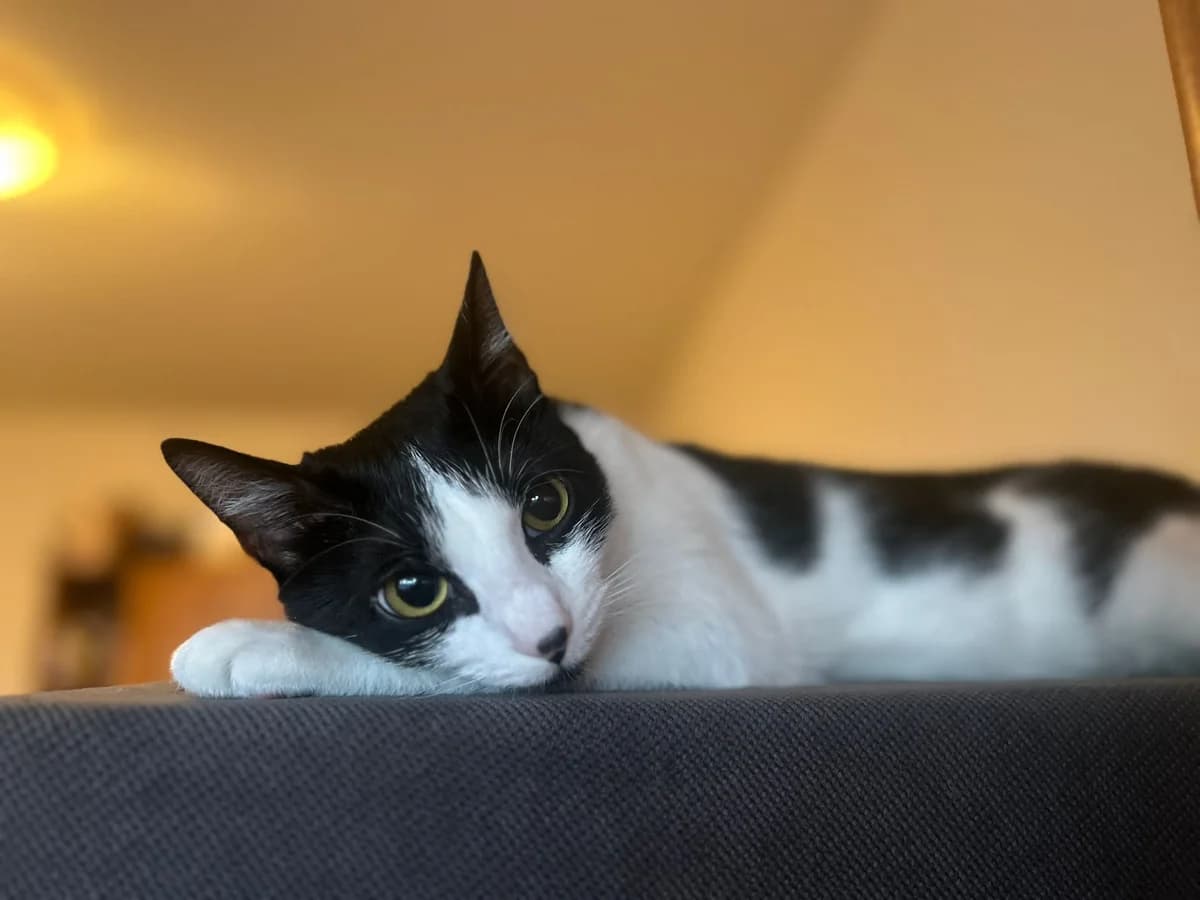
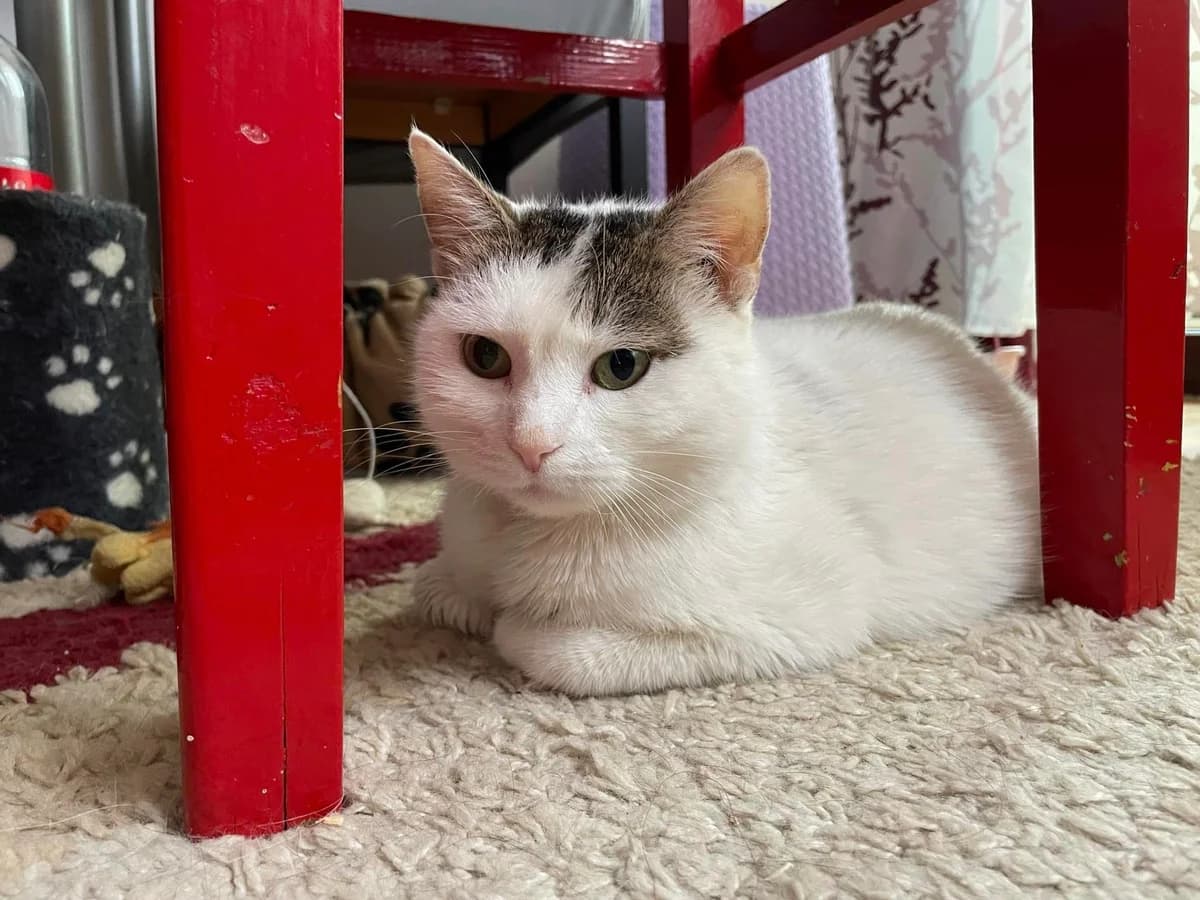
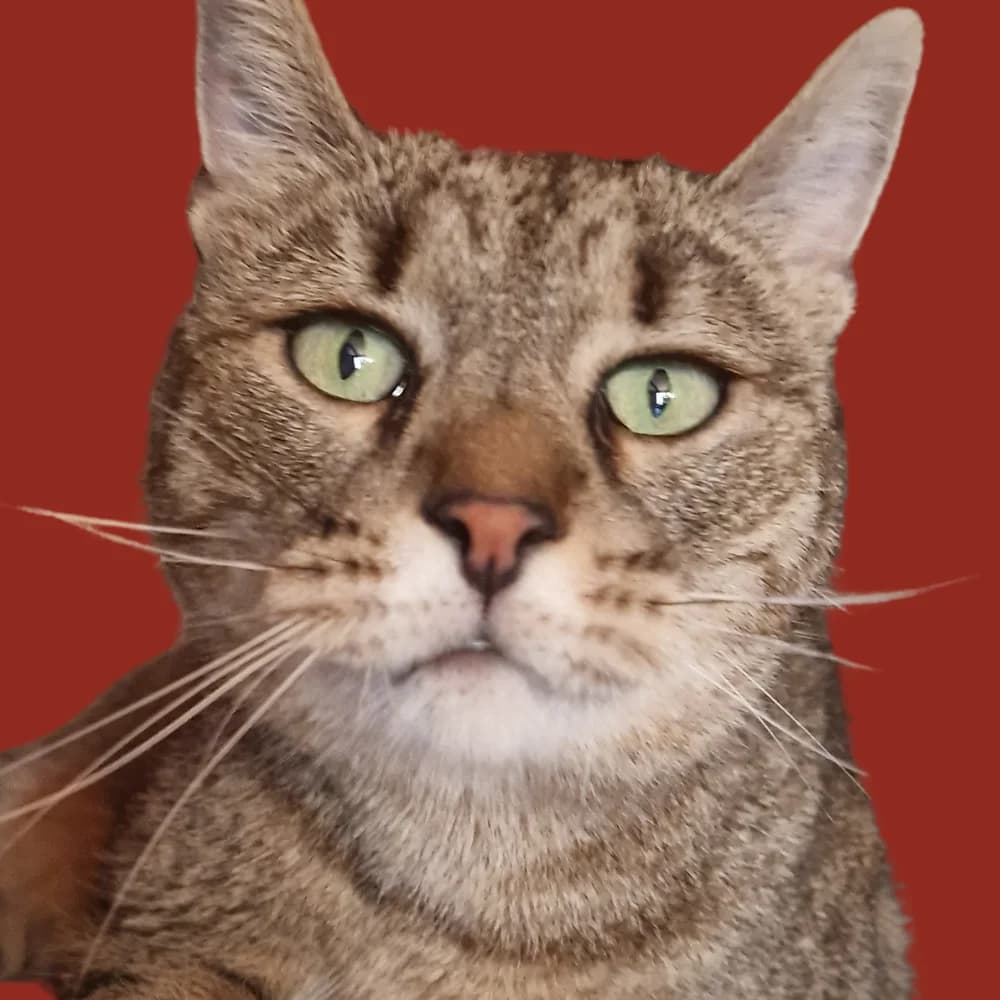
La historia de Winston es conmovedora y admirable. En algún momento de su vida joven, desarrolló FIP, una enfermedad que anteriormente se consideraba casi siempre mortal en gatos. Afortunadamente, Winston recibió tratamiento y sobrevivió, algo que habría sido imposible para muchos gatos hace solo unos años. Sin embargo, los efectos neurológicos de la enfermedad dejaron daño permanente en los nervios que controlan la función de la vejiga y el intestino. Como resultado, Winston es incontinente y requiere pañales en todo momento. Importante, esto no significa que esté paralizado o sea incapaz de disfrutar la vida. Winston aún puede caminar normalmente, moverse independientemente, subir, interactuar, acurrucarse y comportarse como un gato completamente normal en casi todos los demás aspectos. El daño neurológico afecta específicamente su capacidad para controlar la orina y la defecación, no su movilidad. Ha vivido con esta condición lo suficiente como para que llevar pañales simplemente se haya convertido en parte de su rutina. Los tolera muy bien y no parece estresado ni frustrado por ellos. Los gatos a menudo son mucho más adaptables de lo que la gente espera y Winston se ha adaptado impresionantemente al cuidado que requiere. Su futuro hogar necesitará adoptantes que comprendan que cuidarlo implica cambiar regularmente los pañales, monitorear la limpieza de la piel y mantener una buena rutina de higiene para mantenerlo cómodo y saludable. Aunque esto suena intimidante al principio, muchas personas que cuidan de animales con necesidades especiales encuentran finalmente que la rutina se vuelve muy manejable y simplemente parte de la vida diaria. Emocionalmente, Winston es un gato increíblemente dulce y cariñoso. Le encantan los abrazos, busca consuelo de las personas y ha permanecido emocionalmente abierto a pesar de todo lo que su cuerpo ha atravesado. Hay algo especialmente conmovedor en animales como él porque no pasan sus vidas enfocados en lo que no pueden hacer. Winston simplemente continúa viviendo, amando y disfrutando del mundo que lo rodea. También es excelente con otros gatos y se integra naturalmente en compañía felina. Su personalidad tranquila y gentil lo hace una presencia agradable alrededor de otros animales. Debido a que su condición resultó de daño neurológico causado por la FIP en lugar de un proceso de enfermedad activo, Winston ya no está "enfermo" de FIP. Sobrevivió a ella. Lo que queda son efectos neurológicos de toda la vida que requieren manejo de apoyo en lugar de tratamiento intensivo continuo. A sólo tres años de edad, Winston aún tiene mucho tiempo de vida por delante. Los gatos con discapacidades a menudo son ignorados porque la gente se asusta por la responsabilidad involucrada, sin embargo, muchos animales con necesidades especiales ofrecen niveles extraordinarios de confianza, cariño y conexión emocional a cambio de un buen cuidado. Lo que verdaderamente merece Winston ahora no es lástima, sino estabilidad. Un hogar tranquilo y amoroso donde su condición sea simplemente aceptada como una pequeña parte de quién es, en lugar de la única cosa que la gente ve cuando lo mira. Debajo de los pañales y la historia médica está simplemente un chico tierno y cariñoso que sobrevivió a algo devastador y aún permaneció gentil después.
Leer original (en)
Winston’s story is both heartbreaking and remarkable. At some point in his young life, he developed FIP, a disease that was once considered almost always fatal in cats. Thankfully, Winston received treatment and survived, something that would have been impossible for many cats only a few years ago. However, the neurological effects of the disease left permanent damage to the nerves controlling his bladder and bowel function. As a result, Winston is incontinent and requires nappies full time. Importantly, this does not mean he is paralysed or unable to enjoy life. Winston can still walk normally, move around independently, climb, interact, cuddle, and behave like a completely normal cat in almost every other way. The neurological damage specifically affects his ability to control urination and defecation rather than his mobility. He has lived with this condition long enough now that wearing nappies has simply become part of his routine. He tolerates them very well and does not appear distressed or frustrated by them. Cats are often far more adaptable than people expect and Winston has adjusted impressively to the care he requires. His future home would need adopters who understand that caring for him involves regular nappy changes, monitoring skin cleanliness, and maintaining a good hygiene routine to keep him comfortable and healthy. While this sounds intimidating at first, many people who care for special needs animals eventually find the routine becomes very manageable and simply part of daily life. Emotionally, Winston is an incredibly sweet and affectionate cat. He loves cuddles, seeks comfort from humans, and has remained emotionally open despite everything his body has been through. There is something especially moving about animals like him because they do not spend their lives focused on what they cannot do. Winston simply continues living, loving, and enjoying the world around him. He is also excellent with other cats and settles very naturally into feline company. His calm and gentle personality makes him a lovely presence around other animals. Because his condition resulted from neurological damage caused by FIP rather than an active disease process, Winston himself is no longer “sick” with FIP. He survived it. What remains are lifelong neurological after effects that require supportive management rather than ongoing intensive treatment. At only three years old, Winston still has so much life ahead of him. Cats with disabilities are so often overlooked because people become frightened by the responsibility involved, yet many special needs animals offer extraordinary levels of trust, affection, and emotional connection in return for proper care. What Winston truly deserves now is not pity, but stability. A calm, loving home where his condition is simply accepted as one small part of who he is rather than the only thing people see when they look at him. Underneath the nappies and medical history is simply a cuddly, loving boy who survived something devastating and still remained gentle afterwards.
Cuenta gratuita — 10 contactos incluidos
Publicado hace 2 semanas