Adoptuj Jenkins
Mieszaniec · Męskie · Dorosły · 5 lata
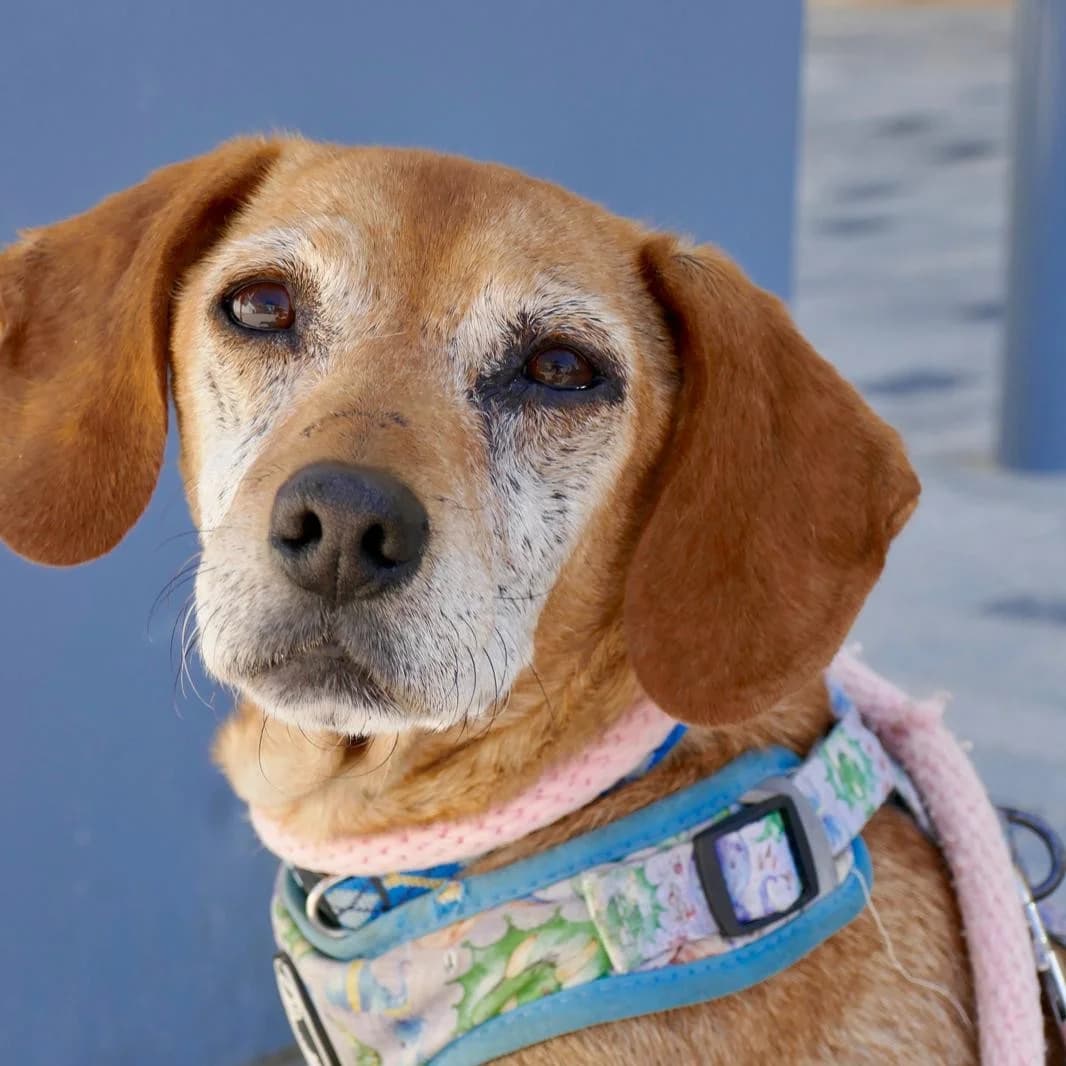
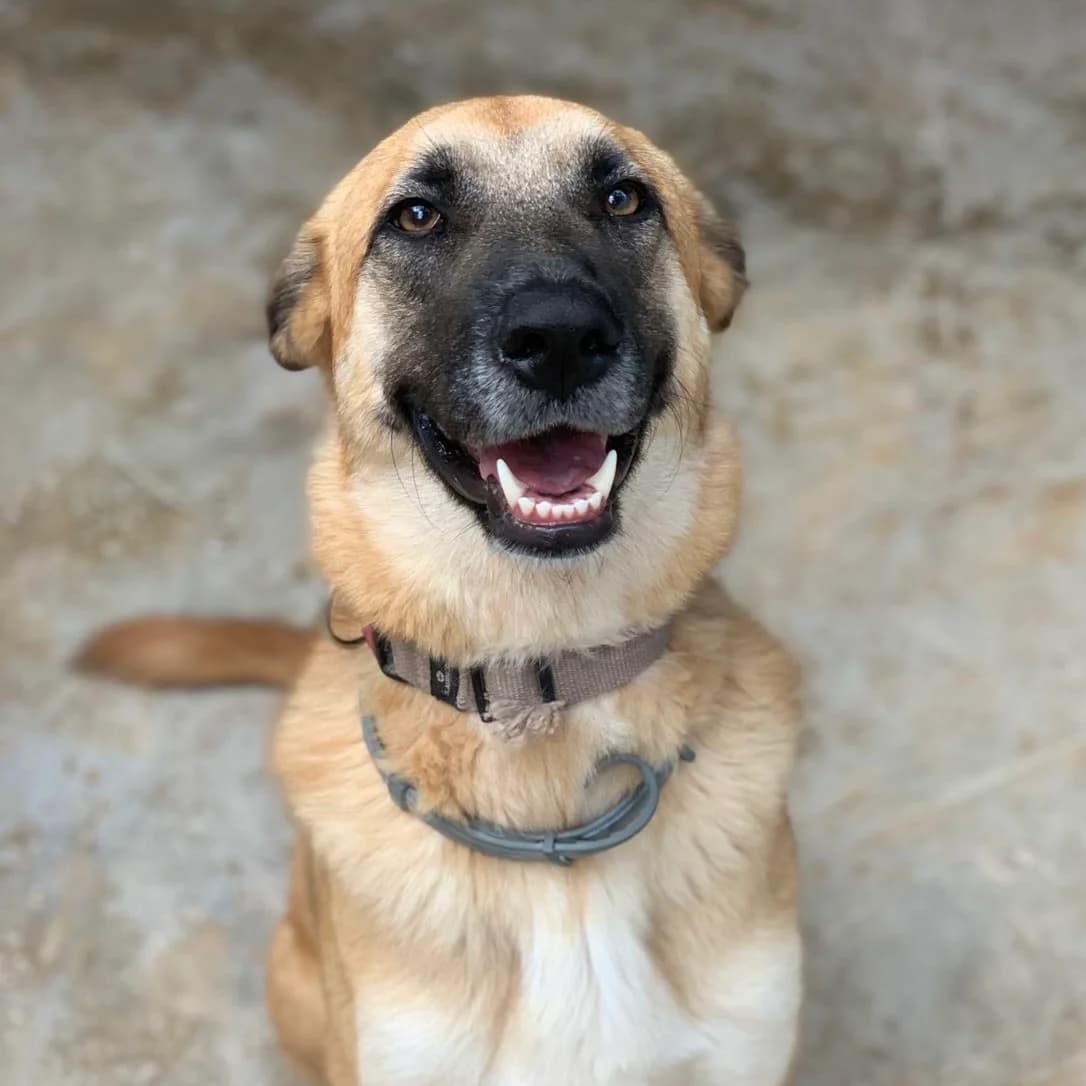
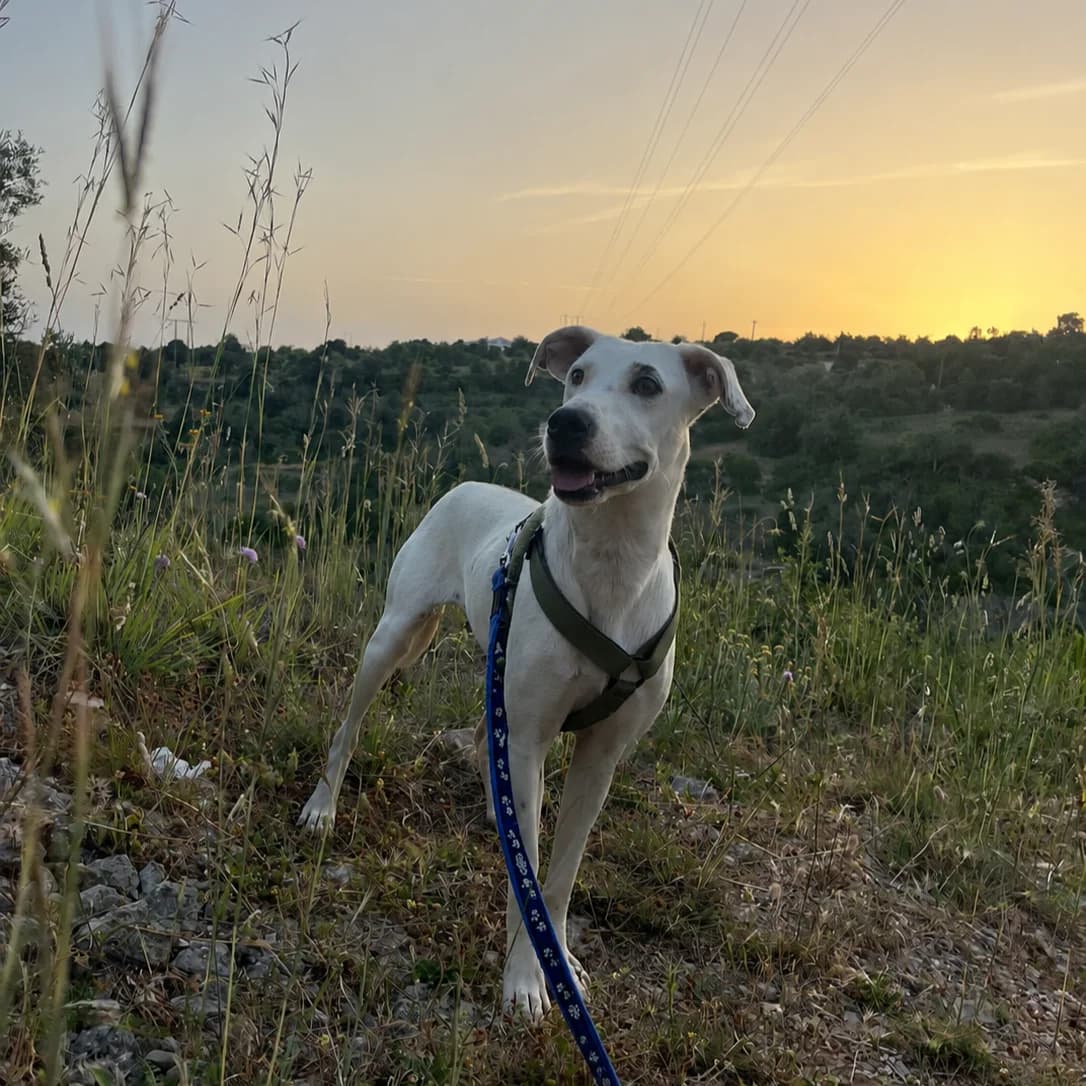
Jenkins to średniej wielkości mieszaniec w wieku około trzech lat. Jeszcze nie przetestowany z kotami, ale może być. Może żyć z kobietką lub być jedynym psem. Szanujące dzieci od 5+. Jenkins trafił do nas niedawno z publicznego schroniska w Botosani w Rumunii. Jenkins to wspaniały chłopak, który kocha wszystkich, których spotyka. Lubie spacer i dużo głasków. Może żyć z kobietką, ale będzie bardzo szczęśliwy jako jedyny pies w domu. Może żyć z szanującymi się dzieciąmi od 5+ i dobrze znającymi psy. Jenkins był opiekunem SNorwich Norfolk. Jeśli jesteś zainteresowany, napisz lub dzwoń od 9:00 do 17:00 poniedziałek - piątek lub od 9:00 do 16:00 sobota. Opłaty za adopcję są: Pieski już kastrowane oraz wszyscy dorosłe psy: 430 funtów. Niekastrowane psiaki na kontraktach dotyczące kastracji: 530 funtów (otrzymasz 100 funtów rabatu, gdy wyślesz nam dowód kastracji). Starsze psy (10+ lat): 150-250 funtów (zależnie od wieku i indywidualnych potrzeb). Warunki i zasady adopcji. Gdy adoptujesz psa z Safe Rescue, musisz używać uchwytu. To pozwoli twojemu psu na bezpieczeństwo: twój nowy pies będzie nerwowy i nie będzie ciebie lubił, a ty nie wiesz, jakie sytuacje mogą go wprawić w zakłopotanie. Jeśli pies zapaniczy, jedynym sposobem na zapobieżenie ucieczce twojego psa jest uchwyt (wiele psów potrafi uciec z obojczyka i/lub uprzęży). Zajmie co najmniej 3-6 miesięcy, by pies przyzwyczaił się i żebyś mógł poznać swojego psa (dłużej dla nerwowych psów). Uchwyt musi być zawsze używany w okresie przyzwyczajania. Nawet po tym, gdy pies się przyzwyczai, najlepiej używać uchwytu w sytuacjach, w których pies może się przestraszyć (np. wizyty w nowych miejscach, wokół nieznanych ludzi, u weterynarza), oraz w sytuacjach, gdzie mogą wystąpić nieprzewidziane wywołania (np. w czasie imprezy świateł). Nerwowe psy mogą zawsze nosić uchwyt jako dodatkowy środek bezpieczeństwa. Uchwyt to urządzenie bezpieczeństwa i nigdy nie powinien być używany jako narzędzie do treningu. Stosowanie napięcia na szyję psa za pomocą uchwytu jest szkodliwe. Jeśli pies ciągnie uchwyt, możemy doradzić Ci metody treningu, które unikają szkód. Gdy pies się przyzwyczai, możesz rozważyć użycie uprzęży (razem z uchwytem), jeśli pies czuje się komfortowo, gdy ją nosi. Większość uprzęży nie jest bezpieczna przed ucieczką, ale uprzęży z pasem za żeberkami (np. Ruffwear Webmaster lub Perfect Fit Harnesses) są bezpieczniejsze. Nigdy nie stosuj przewodów ekspandowalnych / rozszerzalnych na naszych psach. Zwierzęta adoptowane muszą być zabrane ze schroniska i natychmiast przetransportowane do domu w bezpiecznym metalowym skrzynku. Ogrodzenia i bramy muszą mieć wysokość minimum 5 stóp i być bezpieczne. Jenkins to średniej wielkości mieszaniec w wieku około trzech lat. Jeszcze nie przetestowany z kotami, ale może być. Może żyć z kobietką lub być jedynym psem. Szanujące dzieci od 5+. Jenkins trafił do nas niedawno z publicznego schroniska w Botosani w Rumunii. Jenkins to wspaniały chłopak, który kocha wszystkich, których spotyka. Lubie spacer i dużo głasków. Może żyć z kobietką, ale będzie bardzo szczęśliwy jako jedyny pies w domu. Może żyć z szanującymi się dzieciąmi od 5+ i dobrze znającymi psy. Jenkins był opiekunem SNorwich Norfolk. Jeśli jesteś zainteresowany, napisz lub dzwoń od 9:00 do 17:00 poniedziałek - piątek lub od 9:00 do 16:00 sobota. Opłaty za adopcję są: Pieski już kastrowane oraz wszyscy dorosłe psy: 430 funtów. Niekastrowane psiaki na kontraktach dotyczące kastracji: 530 funtów (otrzymasz 100 funtów rabatu, gdy wyślesz nam dowód kastracji). Starsze psy (10+ lat): 150-250 funtów (zależnie od wieku i indywidualnych potrzeb). Gdy adoptujesz psa z Safe Rescue, musisz używać uchwytu. To pozwoli twojemu psu na bezpieczeństwo: twój nowy pies będzie nerwowy i nie będzie ciebie lubił, a ty nie wiesz, jakie sytuacje mogą go wprawić w zakłopotanie. Jeśli pies zapaniczy, jedynym sposobem na zapobieżenie ucieczce twojego psa jest uchwyt (wiele psów potrafi uciec z obojczyka i/lub uprzęży). Zajmie co najmniej 3-6 miesięcy, by pies przyzwyczaił się i żebyś mógł poznać swojego psa (dłużej dla nerwowych psów). Uchwyt musi być zawsze używany w okresie przyzwyczajania. Nawet po tym, gdy pies się przyzwyczai, najlepiej używać uchwytu w sytuacjach, w których pies może się przestraszyć (np. wizyty w nowych miejscach, wokół nieznanych ludzi, u weterynarza), oraz w sytuacjach, gdzie mogą wystąpić nieprzewidziane wywołania (np. w czasie imprezy świateł). Nerwowe psy mogą zawsze nosić uchwyt jako dodatkowy środek bezpieczeństwa. Uchwyt to urządzenie bezpieczeństwa i nigdy nie powinien być używany jako narzędzie do treningu. Stosowanie napięcia na szyję psa za pomocą uchwytu jest szkodliwe. Jeśli pies ciągnie uchwyt, możemy doradzić Ci metody treningu, które unikają szkód. Gdy pies się przyzwyczai, możesz rozważyć użycie uprzęży (razem z uchwytem), jeśli pies czuje się komfortowo, gdy ją nosi. Większość uprzęży nie jest bezpieczna przed ucieczką, ale uprzęży z pasem za żeberkami (np. Ruffwear Webmaster lub Perfect Fit Harnesses) są bezpieczniejsze. Nigdy nie stosuj przewodów ekspandowalnych / rozszerzalnych na naszych psach. Zwierzęta adoptowane muszą być zabrane ze schroniska i natychmiast przetransportowane do domu w bezpiecznym metalowym skrzynku. Ogrodzenia i bramy muszą mieć wysokość minimum 5 stóp i być bezpieczne.
Czytaj oryginał (en)
Jenkins is a medium sized crossbreed aged around three years old. Okay with cats. Can live with or without other dogs. Adult home needed. Jenkins has come into our care recently from the Botosani public shelter in Romania. Jenkins is a quirky boy who forms strong bonds with his “person”. If he was a human I guess he would be classed as a little OCD which can lead to some peculiar behaviours. He is somewhat oblivious to the concept of personal space and can be a trip hazard around the home due to always having to be “right there”. He is currently living alongside other dogs in his foster home and will play happily with the pack. As a creature of habit he can become unsettled when new dogs come into the home and over stimulated when things get chaotic and therefore a quiet and steady how with little coming and going would suits his needs best. As time passes he is becoming more relaxed, he is an extremely loving and affectionate boy who would be great company for a single person or couple. He is ok with cats, could live with or without another dog but will need an adult home environment. If you are interested please message or call between 9am to 5pm Mon – Fri or 9am to 4pm Sat. . Adoption Donation Fees are Puppies already neutered and all adult dogs: £430. Un-neutered puppies on spay/neuter contracts: £530 (You will receive a £100 rebate once you send us proof of neutering). Senior dogs (10+ years): £150–£250 (depending on age and individual needs). Adoption Terms & Conditions When you adopt a Safe Rescue dog, you MUST use a slip lead. This will keep your dog safe: your new dog will be nervous and will not trust you, and you will not know which situations might upset your dog. If your dog panics, then a slip lead is the only way to prevent your dog from escaping (many dogs can escape from a collar and/or harness). It will take AT LEAST 3-6 months for your dog to settle-in and for you to know your dog fully (longer for nervous dogs). The slip lead must ALWAYS be used during this settling-in period. Even after your dog is settled, it is safest to use the slip lead in situations where your dog may become scared (e.g. visiting new places, around unfamiliar people, at the vet), and it situations where unexpected triggers might happen (e.g. around bonfire night). Nervous dogs may always need to wear a slip-lead as a back-up safety measure. The slip lead is a safety device and must NEVER be used as a training tool. Using the lead to apply pressure to the dog’s neck is damaging. If your dog pulls on the lead, then we can advise you on training methods that avoid harm. Once your dog is settled, you may want to consider using a harness (together with the slip lead) if your dog is comfortable with being handled when it is fitted. Most harnesses are not escape-proof, but harnesses with a strap behind the ribcage (e.g. Ruffwear Webmaster or Perfect Fit Harnesses) are safer. Retractable / extendable leads must never be used on our dogs. Adopted dogs must be collected from the rescue and transported straight home in a secure metal crate. Fences and gates must be 5foot minimum in height and secure. Jenkins is a medium sized crossbreed aged around three years old. Okay with cats. Can live with or without other dogs. Adult home needed. Jenkins has come into our care recently from the Botosani public shelter in Romania. Jenkins is a quirky boy who forms strong bonds with his “person”. If he was a human I guess he would be classed as a little OCD which can lead to some peculiar behaviours. He is somewhat oblivious to the concept of personal space and can be a trip hazard around the home due to always having to be “right there”. He is currently living alongside other dogs in his foster home and will play happily with the pack. As a creature of habit he can become unsettled when new dogs come into the home and over stimulated when things get chaotic and therefore a quiet and steady how with little coming and going would suits his needs best. As time passes he is becoming more relaxed, he is an extremely loving and affectionate boy who would be great company for a single person or couple. He is ok with cats, could live with or without another dog but will need an adult home environment. If you are interested please message or call between 9am to 5pm Mon – Fri or 9am to 4pm Sat. . Adoption Donation Fees are Puppies already neutered and all adult dogs: £430. Un-neutered puppies on spay/neuter contracts: £530 (You will receive a £100 rebate once you send us proof of neutering). Senior dogs (10+ years): £150–£250 (depending on age and individual needs). When you adopt a Safe Rescue dog, you MUST use a slip lead. This will keep your dog safe: your new dog will be nervous and will not trust you, and you will not know which situations might upset your dog. If your dog panics, then a slip lead is the only way to prevent your dog from escaping (many dogs can escape from a collar and/or harness). It will take AT LEAST 3-6 months for your dog to settle-in and for you to know your dog fully (longer for nervous dogs). The slip lead must ALWAYS be used during this settling-in period. Even after your dog is settled, it is safest to use the slip lead in situations where your dog may become scared (e.g. visiting new places, around unfamiliar people, at the vet), and it situations where unexpected triggers might happen (e.g. around bonfire night). Nervous dogs may always need to wear a slip-lead as a back-up safety measure. The slip lead is a safety device and must NEVER be used as a training tool. Using the lead to apply pressure to the dog’s neck is damaging. If your dog pulls on the lead, then we can advise you on training methods that avoid harm. Once your dog is settled, you may want to consider using a harness (together with the slip lead) if your dog is comfortable with being handled when it is fitted. Most harnesses are not escape-proof, but harnesses with a strap behind the ribcage (e.g. Ruffwear Webmaster or Perfect Fit Harnesses) are safer. Retractable / extendable leads must never be used on our dogs. Adopted dogs must be collected from the rescue and transported straight home in a secure metal crate. Fences and gates must be 5foot minimum in height and secure.
Zarejestrowane 4 miesiące temu