Skip to content
TailHarbor
← Back to results
Available

Adopt Comprendre le chat : le marquage de territoire

Mixed Breed · Male

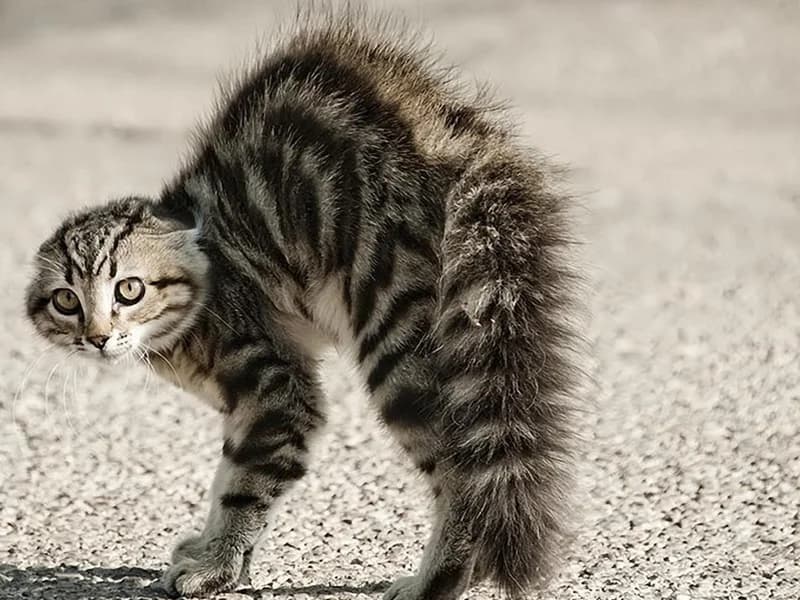
A cat is a territorial animal, which means it likes to mark its presence in a place in various ways and for several reasons. Thus, to better understand some of your cat's behaviors, it is necessary to try to learn a little more about the nature of this feline that humans have chosen to domesticate over time. Why does a cat mark its territory? After vision, a cat's sense of smell is a very important sense for them. Indeed, for them, it is a very effective means of long-distance communication, but also a formidable means of identification between them and for recognizing the different substances cats are exposed to, such as food, for example. The sense of smell is also a way for cats to send important signals and messages to ensure good communication within the feline world. It is important for a cat to mark its territory to signal to other animals of the same species its presence and to make a sort of brief introduction of itself. Different marking methods. A cat marks its territory in different ways, often in the manner that displeases most at home. The most common is that the cat urinates to mark its territory. This is a very common practice among males, less so among those that are neutered. It doesn't urinate much for this, just a small spray or two, but it remains a very strong and unpleasant odor. The second way a cat marks its territory is by scratching. Most of the time, the cat does this while sharpening its claws, at home, it is often the sofa and furniture that suffer. Then there are the cats' skin secretions. To mark its territory through skin secretions, the cat wriggles and rubs against an object such as the legs of the table, the sofa, or even the legs of its owner. When you see your cat adopt these behaviors, you will know that it is marking its territory. This marking behavior is very pronounced during heat periods, so be sure to take your precautions to avoid damage.

Read original (fr)

Le chat est un animal territorial, cela signifie donc qu’il aime marquer sa présence dans un endroit de diverses manières et pour plusieurs raisons. Ainsi, pour mieux comprendre certains comportements de votre chat, il est nécessaire d’essayer de connaître un peu plus la nature de ce félin que l’homme a choisi de domestiquer au fil du temps. Pourquoi le chat marque son territoire ? Après la vue, l’odorat des chats est un sens très important chez lui. En effet ; pour eux c’est un moyen de communication à distance très efficace, mais aussi un moyen d’identification redoutable entre eux et pour la reconnaissance des différentes substances auxquels les chats sont confrontés, comme la nourriture par exemple. L’odorat est également un moyen pour les chats d’envoyer des signaux et des messages importants pour assurer une bonne communication dans le monde félin . Il est important pour le chat de marquer son territoire afin de signaler à ses congénères sa présence et de faire comme qui dirait une petite présentation de sa personne. Les différents moyens de marquage Le chat marque son territoire de différente manière, et souvent de la manière qui déplait le plus à la maison. La plus courante est que le chat urine pour marquer son territoire . C’est une pratique très courante chez les mâles, moins chez ceux qui sont castrés. Il ne fait pas beaucoup de pipi pour cela, juste un petit jet ou deux et c’est tout, mais cela reste une odeur très forte et très désagréable. La seconde manière de marquer son territoire pour un chat est la griffure. La plupart du temps, le chat fait cela tout en se faisant les griffes, à la maison, c’est souvent le canapé et les meubles qui en pâtissent. Ensuite, il y a les sécrétions cutanées des chats . Pour marquer son territoire par les sécrétions cutanées, le chat se tortille et se frotte contre un objet comme les pieds de la table, du canapé ou encore les pieds de son maître. Quand vous verrez votre chat adopter ces comportements, vous saurez donc qu’il est en train de marquer son territoire. Ce comportement de marquage est très accentué pendant les périodes de chaleur, donc sachez prendre vos précautions pour éviter les dégâts.

Size
Small
Age
Location
🇫🇷Paris
Shelter
CaniMinet
Living with Comprendre le chat : le marquage de territoire
  • Neutered
Create free account to contact →

Free account — 10 contacts included

Cared for by CaniMinet · ParisLearn about Mixed Breed

Listed 1 month ago

Bringing Comprendre le chat : le marquage de territoire home

What you'll need for Comprendre le chat : le marquage de territoire in week one.

Hand-picked · prices indicative

  1. 01
    Required by most shelters

    Hard-Shell Cat Carrier

    Top-loading carriers are easier than dragging cats out of a side door.

    View on Amazon
    €25–40
  2. 02

    Feliway Calming Spray

    Cat-specific pheromone. Spritz the carrier 15 min before pickup.

    View on Amazon
    €18–25
  3. 03
    Editor's pick

    Covered Litter Box

    Privacy reduces stress in week one. Get one size up from what you'd think.

    View on Amazon
    €25–45
  4. 04

    Clumping Cat Litter

    Match the shelter's brand for the first bag, transition slowly over a week.

    View on Amazon
    €10–18
  5. 05

    Litter Scoop + Stand

    Daily scooping is non-negotiable. A stand keeps the scoop clean.

    View on Amazon
    €10–18
  6. 06

    Sturdy Scratching Post

    Tall enough they can stretch fully. Saves your couch from week one.

    View on Amazon
    €30–60

§ Affiliate links · TailHarbor earns a small commission, no extra cost to you.

About Comprendre le chat : le marquage de territoire

What life with Comprendre le chat : le marquage de territoire looks like

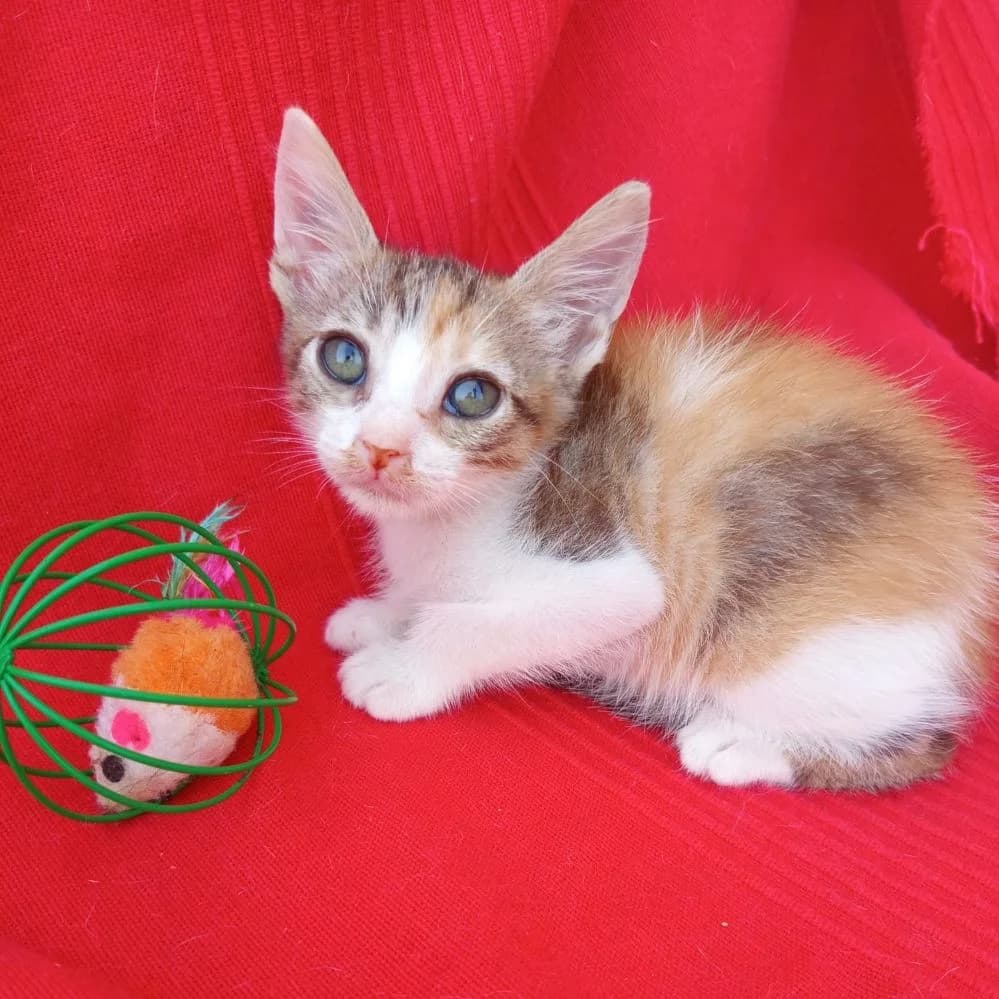
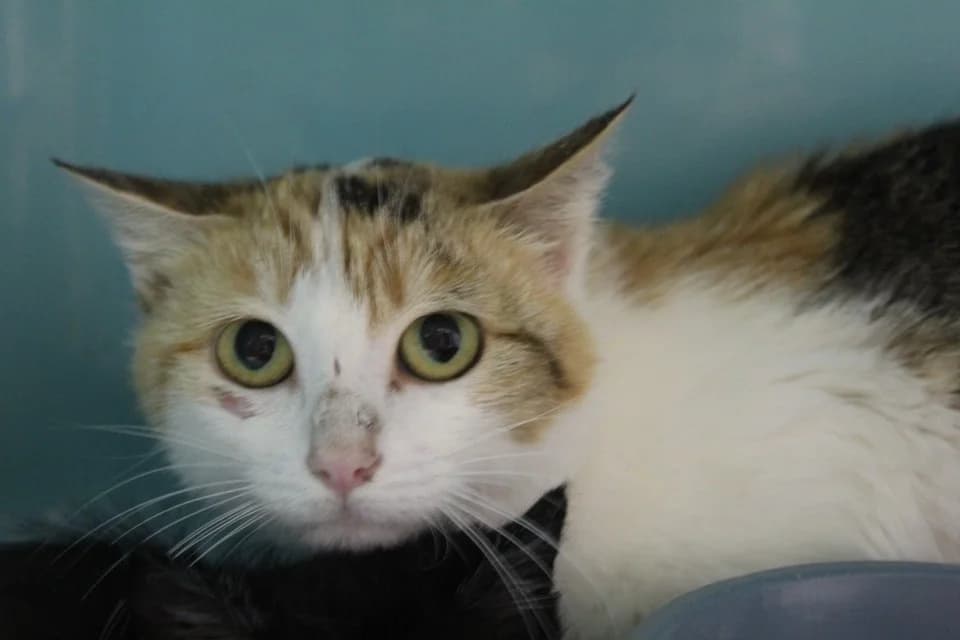
Comprendre le chat : le marquage de territoire is a small adult mixed breed cat waiting at CaniMinet in Paris.

An adult cat usually shows their personality within a week. Give them a quiet room with everything they need (food, water, litter, hiding spot) and let them choose when to explore. Don't force interaction — every cat decides for themselves when a new home counts as home.

🇫🇷Adopting from France

French refuges follow the SPA framework: adopters sign a cession contract that includes sterilization, vaccinations, microchip identification, and rabies passport. Fees are typically €150–€300. Many refuges work with rescue transport partners for cross-border placements.

Paris, France browse more cats in France.

Frequently asked

Adopting Comprendre le chat : le marquage de territoire, answered.

How do I contact the shelter about Comprendre le chat : le marquage de territoire?
Use the phone, email, or website link in the sidebar of this page. CaniMinet handles screening and the adoption contract directly — TailHarbor doesn't broker the conversation. When you reach out, mention you saw Comprendre le chat : le marquage de territoire on TailHarbor so they know which animal you're asking about.
Can I adopt Comprendre le chat : le marquage de territoire if I live in another country?
Yes, in most cases. Rescues across Europe routinely place animals abroad — CaniMinet will tell you what they need (EU pet passport, rabies titer, transport coordination) and whether they handle transport themselves or refer you to a partner. Plan for an extra €100–€350 in transport costs depending on distance.
Is Comprendre le chat : le marquage de territoire already vetted, vaccinated, and chipped?
Most cats on TailHarbor leave their shelter with sterilization, current vaccinations, microchip ID, and an EU pet passport included in the adoption fee. The vet status on this page reflects what the shelter has reported — ask them directly if you need details on specific vaccines, recent bloodwork, or chronic conditions.
What happens if Comprendre le chat : le marquage de territoire isn't the right fit?
Every reputable rescue accepts an animal back if the adoption genuinely doesn't work — that's part of the standard contract. Talk it through with CaniMinet early rather than rehoming privately; they know Comprendre le chat : le marquage de territoire and can place them more successfully than a second-hand listing can.
Why does the description sometimes read awkwardly?
TailHarbor translates shelter descriptions into English from the source language (FR). Translation is imperfect — names of streets, donors, and shelter-specific terms occasionally slip through unidiomatically. For the cleanest read, click the source link to see the shelter's original page.
You might also like

More Mixed Breed pets

Kiwi

Mixed Breed · large

🇨🇭Sos Strassenhunde, Switzerland

Chili

7 years

Mixed Breed

🇩🇪Germany

Malenih šest

Mixed Breed

🇷🇸Belgrade, Serbia

More from CaniMinet

Un distributeur programmable pour votre chien

Mixed Breed · small

🇫🇷Paris, France

L’anxiété chez le chat

Mixed Breed · large

🇫🇷Paris, France

La vaccination du chien

2 months

Mixed Breed · medium

🇫🇷Paris, France

Similar animals

More Mixed Breeds looking for a home

RALPH

4 years

Mixed Breed

🇫🇷Briancon, France

SONIC

2 years

Mixed Breed

🇫🇷Briancon, France

IRIS

Mixed Breed

🇫🇷Briancon, France

mia

4 years

Staffordshire Bull Terrier

🇫🇷Briancon, France

ELEKTRA

Mixed Breed

🇫🇷Briancon, France

HELA

Mixed Breed

🇫🇷Briancon, France

Spotted something wrong? Suggest a change →