Skip to content
TailHarbor
← Back to results
Available

Adopt Habitat du lapin

Mixed Breed · Unknown

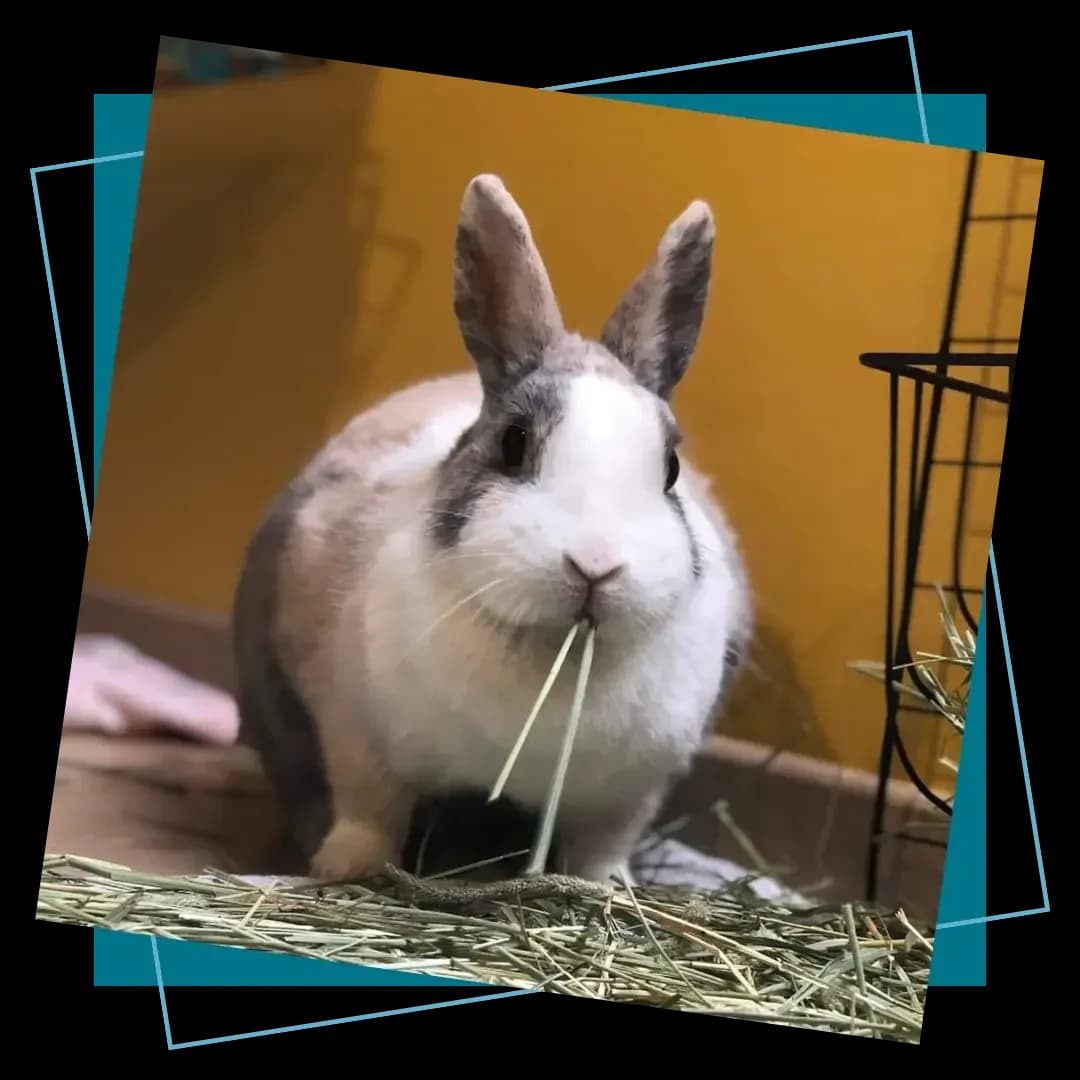
Learn about rabbit well-being rabbit habitat information 1 rabbit habitat information 2 rabbit habitat information 3 [DO YOU KNOW?] (CONTINUED) We have already discussed the very social and playful behavior of rabbits as well as their diet. Now it's time to talk about their habitat. A wild rabbit travels many kilometers in nature, which is why it's important to properly arrange its living space to reproduce its natural environment as much as possible. First, you need to know that a rabbit is a crepuscular animal. It is active very early in the morning and late in the evening in the wild. In a family, it adapts very well to a daytime lifestyle with peaks of activity at the beginning and end of the day. It is fully capable of living freely, like a dog or a cat, because it is able to learn to keep itself clean and only go to the bathroom in a litter. Does this surprise you? Yes, the rabbit is a clean animal. All you need to do is place its litter next to its hay because often it goes to the bathroom while eating. Nothing could be simpler, right? By nature, the rabbit needs its own space. Three areas must be respected: - Food area (hay) + litter - Play area with tunnels, grass balls, puzzle toys, food searching, etc. - Rest area with a bed, cushions, hiding places, etc. So it is enough to arrange a corner of your house or apartment and let it live freely while protecting your cables, plants, and human food. If total freedom seems scary at first, you can install a large enclosure for times when you are away. 👉 Try the experience and become a foster family for rabbits! 1000 Moustaches regularly takes in rabbits but to continue saving them, we need your help. We are always short of foster families to place them in homes. If this interests you, don't hesitate to contact us!

Read original (fr)

S'informer sur le bien-être du lapin information habitat lapin 1 information habitat lapin 2 information habitat lapin 3 (LA SUITE) Nous avons déjà évoqué le comportement très social et joueur du lapin ainsi que son alimentation. Maintenant c’est au tour de l’habitat. Un lapin sauvage parcourt énormément de kilomètres dans la nature d’où l’importance de bien aménagé son espace de vie afin de reproduire au maximum son milieu naturel. Dans un premier temps, il faut savoir que le lapin est un animal crépusculaire. Il vit très tôt le matin et tard le soir en milieu sauvage. En famille, il s’adapte très bien à la vie diurne avec des pics d’activité en début et fin de journée. Il est tout à fait apte à vivre en totale liberté, comme un chien ou un chat, car il est en capacité d’apprendre la propreté et ne faire ses besoins que dans une litière. Cela vous étonne ? Eh oui, le lapin est un animal propre. Il suffit de lui installer sa litière à côté de son foin car bien souvent il fait ses besoins en mangeant. Rien de plus simple, n’est-ce pas ? De nature territorial, le lapin a besoin de son propre espace. Trois zones sont à respecter : – Zone alimentation (foin) + litière – Zone jeux avec tunnel, boule d’herbes, jouets d’intelligence, recherche de nourriture etc. – Zone repos avec dodo, coussins, cachette etc. Ainsi il suffit de lui aménager un coin de maison ou d’appartement et le laisser vivre en totale liberté tout en protégeant vos câbles, vos plantes et toute nourriture « humaine ». Si la liberté totale vous fait peur dans un premier temps, vous pouvez lui installer un grand enclos pour des moments d’absence. 👉 Tentez l’expérience et devenez famille d’accueil pour les lapins ! 1000 Moustaches prend régulièrement en charge des lapins mais pour continuer de les sauver, il nous faut votre aide. Nous manquons toujours de famille d’accueil pour les placer en foyer. Si cela vous intéresse, n’hésitez pas à nous contacter !

Size
Large
Age
Location
🇫🇷La Chevrolière
Shelter
Association 1000 Moustaches
Create free account to contact →

Free account — 10 contacts included

Cared for by Association 1000 Moustaches · La ChevrolièreLearn about Mixed Breed

Listed 1 month ago

About Habitat du lapin

What life with Habitat du lapin looks like

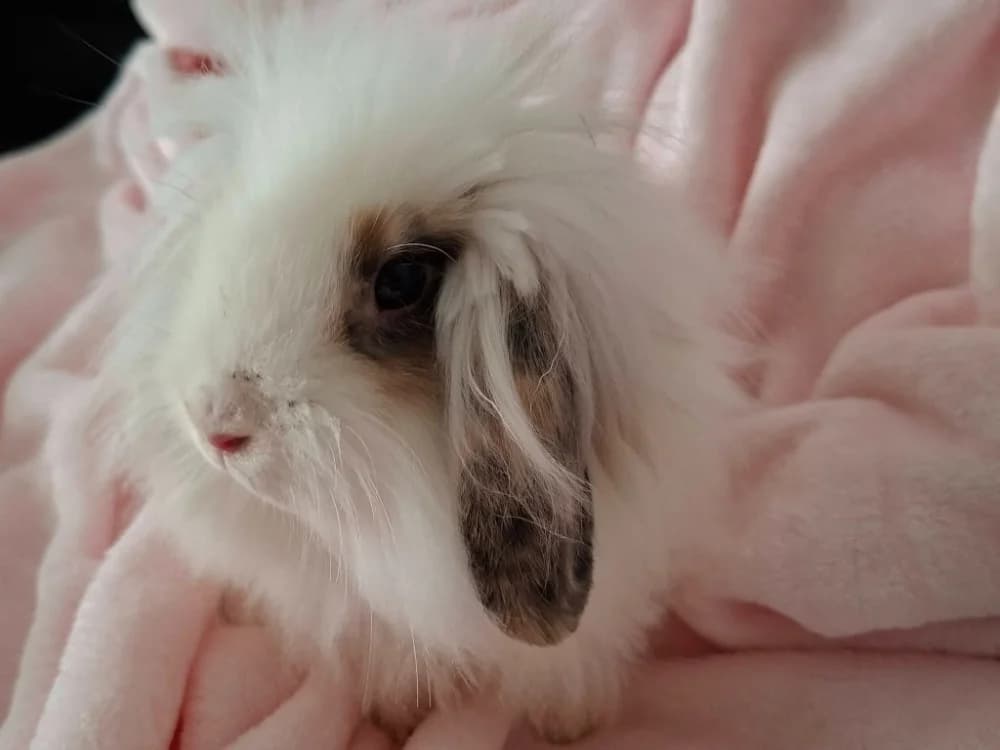
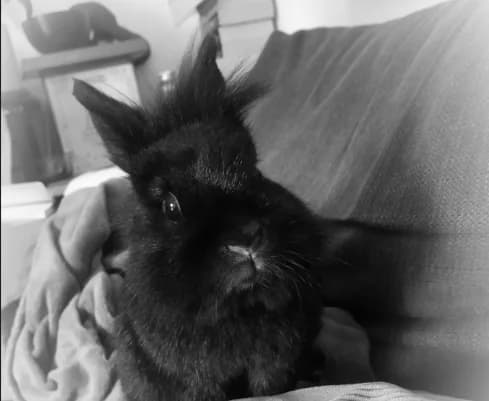
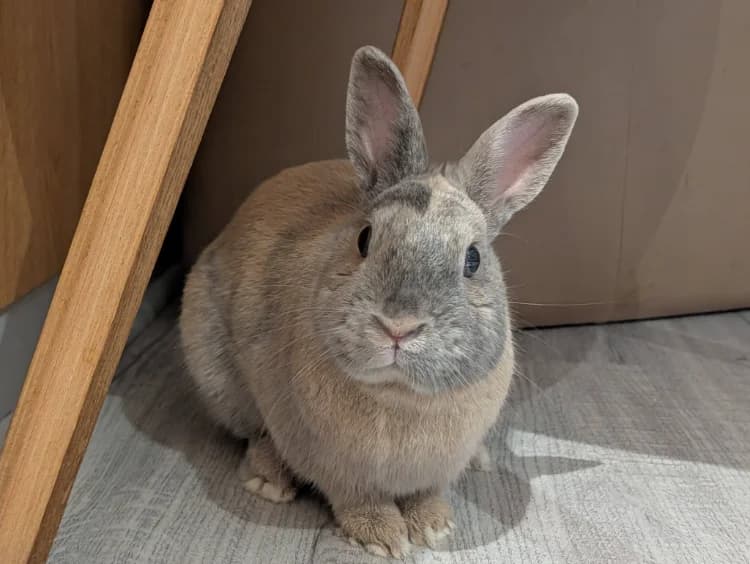
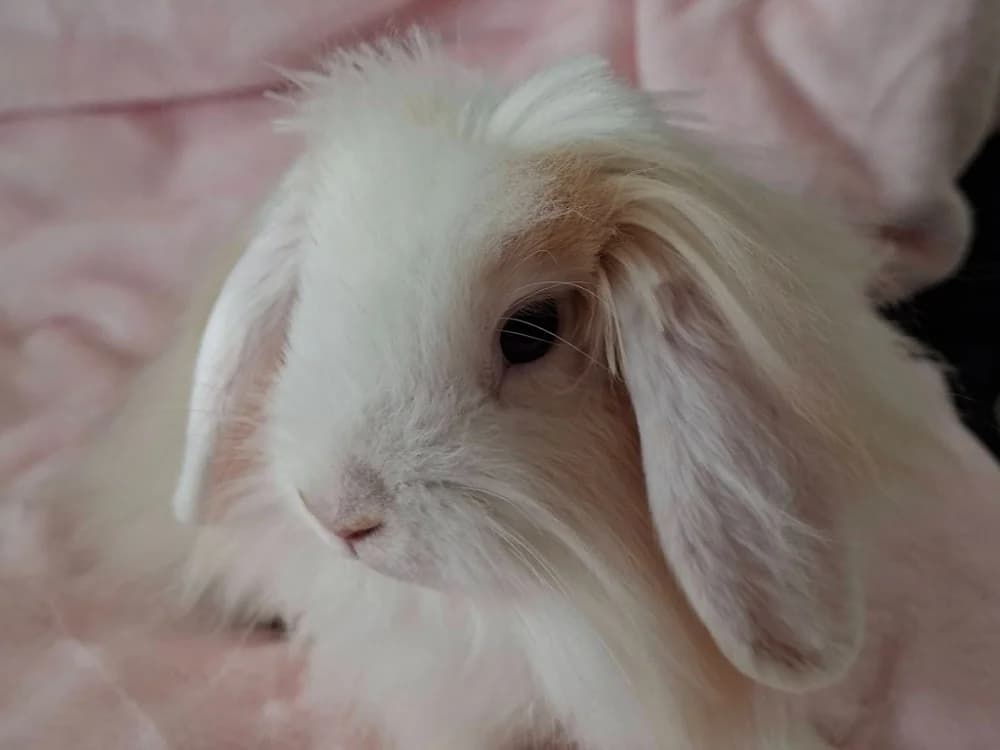
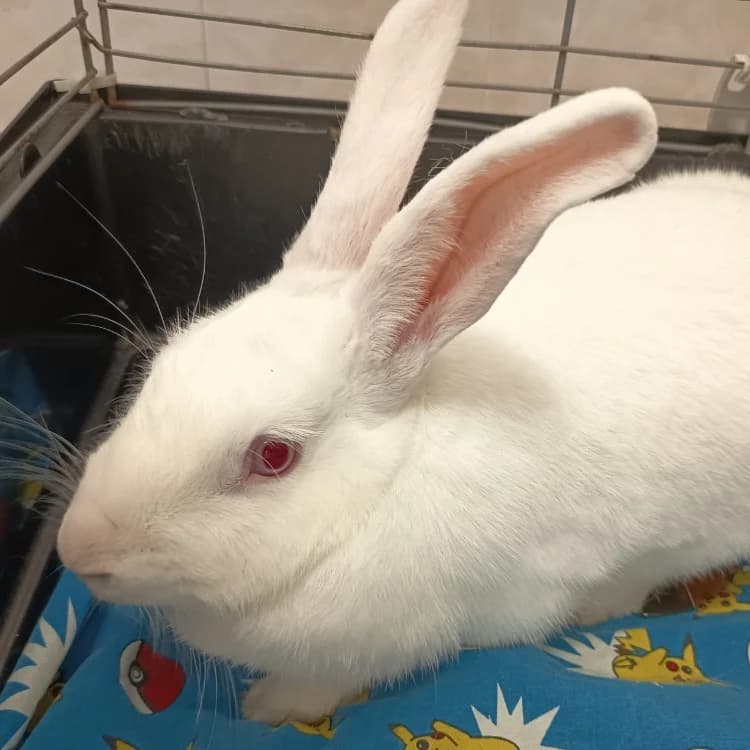
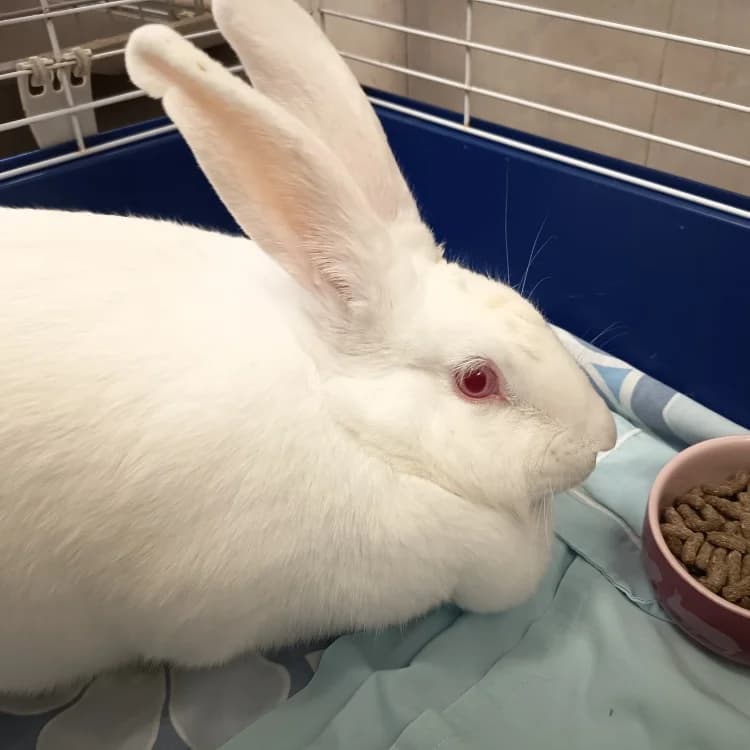
Habitat du lapin is a large adult mixed breed rabbit waiting at Association 1000 Moustaches in La Chevrolière.

Rabbits are social animals — most shelters recommend adopting them in bonded pairs rather than alone. They need fresh hay daily, several hours of out-of-cage time, and rabbit-safe spaces to explore. They live eight to twelve years, longer than many people expect.

🇫🇷Adopting from France

French refuges follow the SPA framework: adopters sign a cession contract that includes sterilization, vaccinations, microchip identification, and rabies passport. Fees are typically €150–€300. Many refuges work with rescue transport partners for cross-border placements.

La Chevrolière, France browse more rabbits in France.

Frequently asked

Adopting Habitat du lapin, answered.

How do I contact the shelter about Habitat du lapin?
Use the phone, email, or website link in the sidebar of this page. Association 1000 Moustaches handles screening and the adoption contract directly — TailHarbor doesn't broker the conversation. When you reach out, mention you saw Habitat du lapin on TailHarbor so they know which animal you're asking about.
Can I adopt Habitat du lapin if I live in another country?
Yes, in most cases. Rescues across Europe routinely place animals abroad — Association 1000 Moustaches will tell you what they need (EU pet passport, rabies titer, transport coordination) and whether they handle transport themselves or refer you to a partner. Plan for an extra €100–€350 in transport costs depending on distance.
Is Habitat du lapin already vetted, vaccinated, and chipped?
Most rabbits on TailHarbor leave their shelter with sterilization, current vaccinations, microchip ID, and an EU pet passport included in the adoption fee. The vet status on this page reflects what the shelter has reported — ask them directly if you need details on specific vaccines, recent bloodwork, or chronic conditions.
What happens if Habitat du lapin isn't the right fit?
Every reputable rescue accepts an animal back if the adoption genuinely doesn't work — that's part of the standard contract. Talk it through with Association 1000 Moustaches early rather than rehoming privately; they know Habitat du lapin and can place them more successfully than a second-hand listing can.
Why does the description sometimes read awkwardly?
TailHarbor translates shelter descriptions into English from the source language (FR). Translation is imperfect — names of streets, donors, and shelter-specific terms occasionally slip through unidiomatically. For the cleanest read, click the source link to see the shelter's original page.
You might also like

More Mixed Breed pets

Lumi

Mixed Breed · medium

🇩🇪Germany

MOWGLI

1 year

Mixed Breed

🇪🇸Murcia, Spain

TORREZNO

5 years

Mixed Breed

🇪🇸Murcia, Spain

More from Association 1000 Moustaches

Alimentation du cochon d’inde

Mixed Breed · small

🇫🇷La Chevrolière, France

Alimentation du lapin

Mixed Breed · small

🇫🇷La Chevrolière, France

Symptômes du lapin

Mixed Breed · small

🇫🇷La Chevrolière, France

Similar animals

More Mixed Breeds looking for a home

JANNOT

3 years

Mixed Breed

🇫🇷Cluses, France

CAMILLE

Mixed Breed

🇫🇷Cluses, France

Alimentation du lapin

Mixed Breed · small

🇫🇷La Chevrolière, France

Symptômes du lapin

Mixed Breed · small

🇫🇷La Chevrolière, France

Comportement et habitudes du lapin

Mixed Breed · small

🇫🇷La Chevrolière, France

Romy

5 years

Mixed Breed

🇫🇷Rennes, France

Spotted something wrong? Suggest a change →

Adopt Habitat du lapin — Mixed Breed in La Chevrolière | TailHarbor