Le blaireau (Journée mondiale du 15 mai)
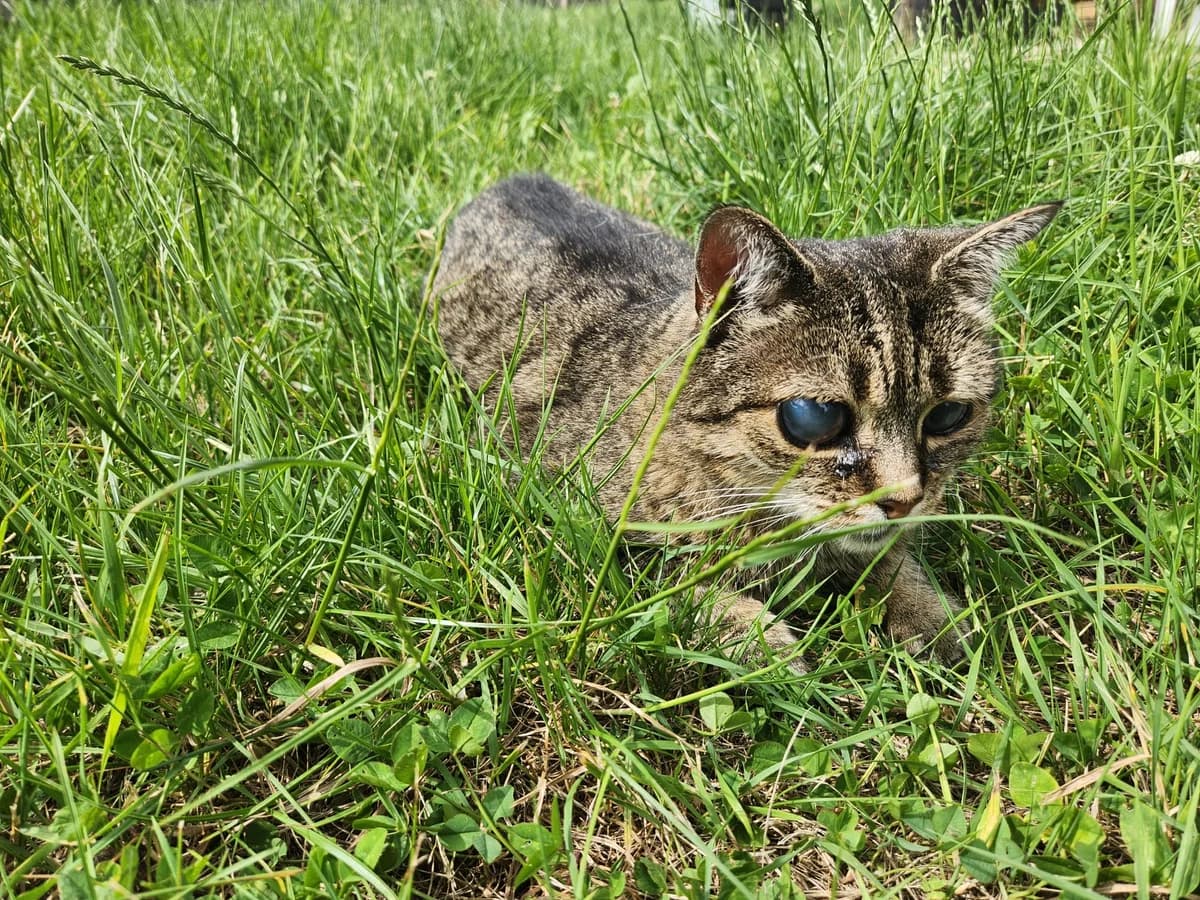
Mixed Breed · Male
On May 15th, World Badger Day highlights an animal that we actually know very little about, despite its long and quiet presence in our landscapes. The European badger, recognizable by its black and white stripes across its face, belongs to the mustelid family. It is a strong, peaceful, nocturnal animal that lives mainly in forests, hedgerows and rural areas where nature remains sufficiently undisturbed. Its stocky shape, long snout and calm gait make it a unique inhabitant, often seen too briefly to be truly understood. One of the most fascinating aspects of the badger is its habitat: the sett, also called "badger set." It is not just a simple hole in the ground, but a real underground network made up of tunnels, chambers, secondary exits and sometimes even separate resting areas. Some setts are used for several decades, even several generations. Badgers maintain them carefully, regularly removing old bedding and replacing it with new material made of leaves and dry grass. This behavior shows a social organization and a sense of hygiene often overlooked by the general public. The badger is an opportunistic omnivore, meaning it adapts to what nature offers. Its favorite food remains the earthworm, which it detects with its highly developed sense of smell. However, it also eats fruits, berries, insects, larvae, small rodents and sometimes even grains. This varied diet allows it to play an essential role in the ecological balance: it regulates certain populations of invertebrates, contributes to seed dispersal and participates in soil aeration when it digs the earth. Its presence is therefore a positive indicator of the health of an ecosystem. Yet, despite its importance, the badger still suffers from many misconceptions. It is considered aggressive, while it systematically avoids contact with humans. It is blamed for damages it does not cause. In some regions, it is still a victim of digging, a particularly violent hunting method that endangers not only individuals but also the stability of local populations. To this is added road collisions, habitat fragmentation due to urbanization and intensive agriculture, as well as the gradual disappearance of hedges and refuge areas. The World Badger Day on May 15th therefore aims to raise public awareness about the reality of this animal. It invites people to go beyond stereotypes, to understand its ecological role and to encourage more wildlife-friendly practices. Knowing the badger better means understanding the richness of our countryside and the importance of preserving natural spaces. This quiet animal, which mainly lives at night and never seeks confrontation, deserves to be protected and recognized for what it is: an essential link in biodiversity. Celebrating the badger on May 15th is acknowledging the value of an animal too long ignored or misunderstood. It is a reminder that nature is not just about the most visible species, but also about discreet actors whose role is fundamental. The badger, with its organized lifestyle, positive impact on the soil and importance in the balance of ecosystems, fully deserves our attention. By protecting it, we protect much more than a single species: we preserve the health of our landscapes and the richness of the wild life around us. Wishing a place for the badger in our environment is asserting our will to live in harmony with nature and to pass on a living heritage to future generations.
FR·Show original
Le 15 mai, la Journée mondiale du blaireau met en lumière un animal que l’on connaît finalement assez peu, malgré sa présence ancienne et discrète dans nos paysages. Le blaireau européen, reconnaissable à ses bandes noires et blanches qui lui traversent le visage, appartient à la famille des mustélidés. C’est un animal robuste, paisible, nocturne, qui vit principalement dans les forêts, les bocages et les zones rurales où la nature reste suffisamment préservée. Sa silhouette trapue, son museau allongé et sa démarche tranquille en font un habitant à part, souvent aperçu trop brièvement pour être vraiment compris. L’un des aspects les plus fascinants du blaireau est son habitat : le terrier, appelé « blaireautière ». Il ne s’agit pas d’un simple trou dans la terre, mais d’un véritable réseau souterrain composé de galeries, de chambres, de sorties secondaires et parfois même de zones de repos séparées. Certaines blaireautières sont utilisés pendant plusieurs décennies, voire plusieurs générations. Les blaireaux les entretiennent avec soin, retirant régulièrement la vieille litière pour en apporter une nouvelle, composée de feuilles et d’herbes sèches. Ce comportement témoigne d’une organisation sociale et d’un sens de l’hygiène souvent ignorés du grand public. Le blaireau est un omnivore opportuniste, ce qui signifie qu’il s’adapte à ce que la nature lui offre. Son aliment préféré reste le ver de terre, qu’il détecte grâce à son odorat très développé. Mais il consomme aussi des fruits, des baies, des insectes, des larves, des petits rongeurs et parfois même des céréales. Cette diversité alimentaire lui permet de jouer un rôle essentiel dans l’équilibre écologique : il régule certaines populations d’invertébrés, contribue à la dispersion des graines et participe à l’aération des sols lorsqu’il fouille la terre. Sa présence est donc un indicateur positif de la santé d’un écosystème. Pourtant, malgré son importance, le blaireau souffre encore de nombreuses idées reçues. On le croit agressif, alors qu’il évite systématiquement le contact avec l’humain. On l’accuse de causer des dégâts qu’il ne provoque pas. Dans certaines régions, il est encore victime de pratiques de déterrage, une méthode de chasse particulièrement violente qui met en danger non seulement les individus, mais aussi la stabilité des populations locales. À cela s’ajoutent les collisions routières, la fragmentation des habitats due à l’urbanisation et l’agriculture intensive, ainsi que la disparition progressive des haies et des zones refuges. La Journée mondiale du blaireau du 15 mai a donc pour objectif de sensibiliser le public à la réalité de cet animal. Elle invite à dépasser les clichés, à comprendre son rôle écologique et à encourager des pratiques plus respectueuses de la faune sauvage. Mieux connaître le blaireau, c’est aussi mieux comprendre la richesse de nos campagnes et l’importance de préserver les espaces naturels. Cet animal discret, qui vit principalement la nuit et ne cherche jamais la confrontation, mérite d’être protégé et reconnu pour ce qu’il est : un maillon essentiel de la biodiversité. Célébrer le blaireau le 15 mai, c’est reconnaître la valeur d’un animal trop longtemps ignoré ou mal compris. C’est rappeler que la nature ne se résume pas aux espèces les plus visibles, mais qu’elle repose aussi sur des acteurs discrets dont le rôle est fondamental. Le blaireau, avec son mode de vie organisé, son impact positif sur les sols et son importance dans l’équilibre des écosystèmes, mérite pleinement notre attention. En le protégeant, nous protégeons bien plus qu’une espèce : nous préservons la santé de nos paysages et la richesse de la vie sauvage qui nous entoure. Souhaiter une place au blaireau dans notre environnement, c’est affirmer notre volonté de cohabiter harmonieusement avec la nature et de transmettre un patrimoine vivant aux générations futures.
Listed 4 months ago