Υιοθετήστε τον/την Informarsi battendo i denti
Μεικτής φυλής · Θηλυκό
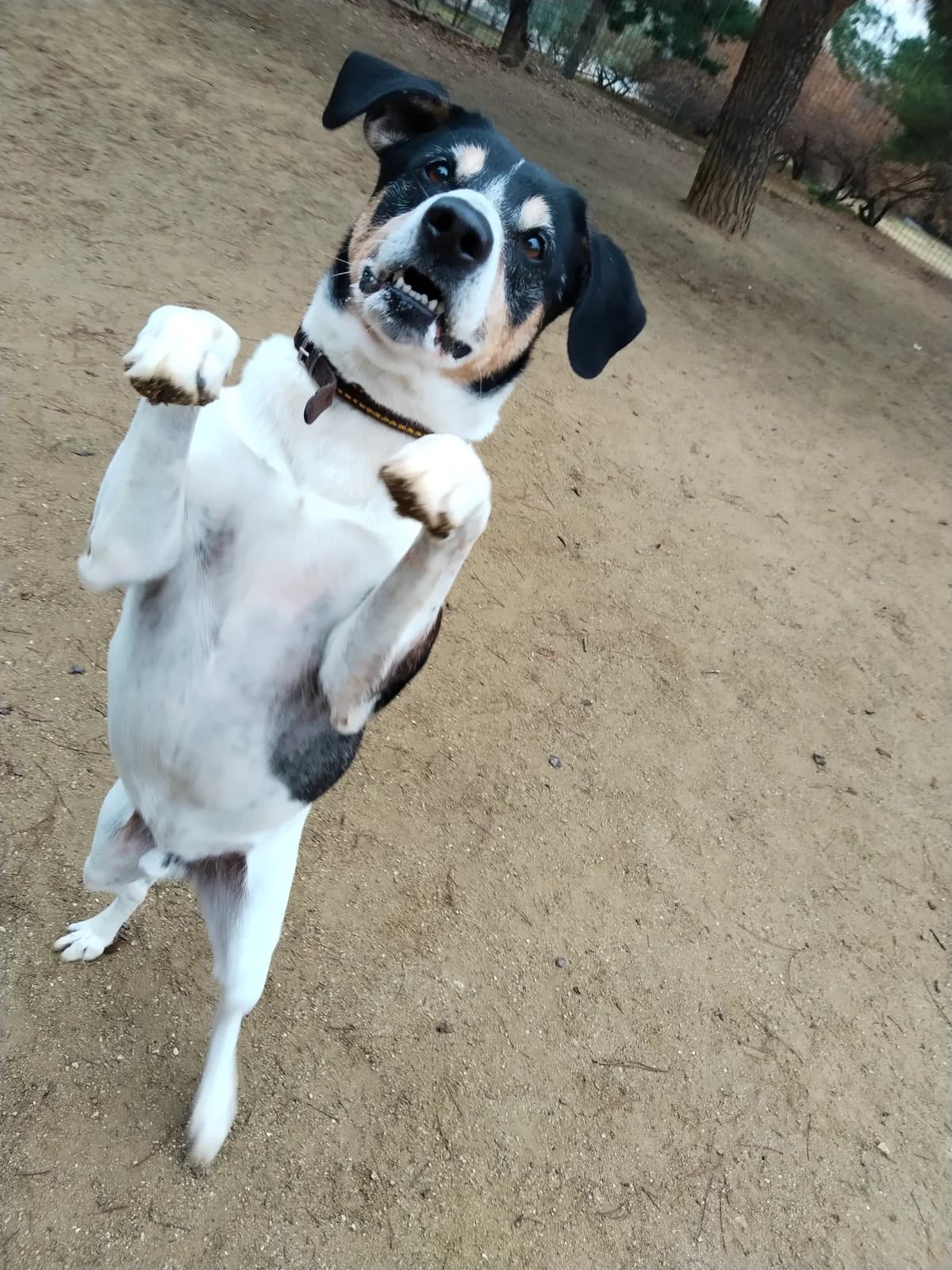
The dog chatters its teeth for many reasons, including the "flehmen". Exactly like humans, a dog can chatter its teeth due to the cold or because it has a neurological problem or tooth or mouth pain (for example, gingivitis) or because it is experiencing a negative emotion, such as fear or, also, as a calming signal. But there is a situation that sometimes the human accompanying the dog does not know how to properly decipher: it's when the dog sniffs (and maybe even licks) the urine of a similar animal and starts chattering its teeth. It is the "flehmen", a completely normal behavior - not only for dogs, but also for cats, horses and other species - which begins with a contraction of the muscles in the upper part of the muzzle, the lifting of the lip and the consequent exposure of the upper dental arch: these are all gestures that help the dog to effectively collect the chemical information present in the environment, which are then directed to the upper part of the throat where the vomeronasal organ or Jacobson's organ is located, specialized in processing chemical molecules. What surprises many is especially the expression of disdain that the dog seems to take on when performing this action and many humans are horrified at seeing and believing that the dog shows this disgust after sniffing and maybe licking urine: and it is at this moment that concern (and sometimes irritation, with consequent punishment of the dog) arises for something that seems to have "disgusted" their walking companion! In reality, the "flehmen" is not only a natural but very purposeful behavior: it allows males (it is mainly practiced by intact ones but not only and also by some females) to identify the pheromonal traces present in the urine of a female in heat and to determine how much time has passed since her passage. The activation of the Jacobson's organ (called also the "flehmen" response) can also occur not only for sexual and reproductive purposes but also simply because the dog encounters a particularly "interesting" odor, such as for example the one coming from a carcass or from the genitals of a similar animal the dog is sniffing: the purpose is always to deepen the knowledge of the smell right down to its most hidden nuances to obtain useful and stimulating information. Therefore, if the dog chatters its teeth in this kind of context, there is no need to worry and the thing to do is certainly not to scold it and even less to get angry with it or punish it: once it is understood that it is the "flehmen", it should be given all the time it needs to enjoy the moment.
Διάβασε αρχικό (it)
Il cane batte i denti per molti motivi, tra questi il “flehmen” Esattamente come gli umani, il cane può battere i denti a causa del freddo o perchè ha un problema neurologico o un dolore ai denti o alla bocca (ad esempio, una gengivite) oppure perchè sta vivendo un'emozione negativa, come ad esempio la paura o, anche, come segnale calmante. Ma c'è una situazione che talvolta l'umano che accompagna il cane non sa ben decifrare: è quando il cane annusa (e magari anche lecca) l'urina di un consimile e inizia a battere i denti. Si tratta del “flehmen”, un comportamento del tutto normale – e non solo per i cani, ma anche per i gatti, i cavalli e altre specie – che inizia con una contrazione dei muscoli della parte superiore del muso, il sollevamento del labbro e la conseguente scopertura dell'arcata dentale superiore: sono tutti gesti che servono al cane per raccogliere nel modo più efficace le informazioni chimiche presenti nell'ambiente, che vengono quindi convogliate nella parte superiore della gola dove è posizionato l'organo vomero-nasale o di Jacobson, specializzato nell'elaborazione delle molecole chimiche. Ciò che stupisce molti è soprattutto l'espressione di disprezzo che il cane sembra assumere quando compie questo gesto e parecchi umani inorridiscono nel vedere e credere che il cane mostri questo disgusto dopo aver annusato e magari leccato un'urina: ed è in questo momento che scatta la preoccupazione (e talvolta l'irritazione, con conseguente punizione del cane) per qualcosa che sembra aver “schifato” il proprio compagno di passeggiata! In realtà, il “flehmen” è un comportamento non solo naturale ma molto ben finalizzato: consente, infatti, ai maschi (è praticato soprattutto dagli interi ma non solo e anche ad alcune femmine) di individuare le tracce feromonali presenti nell'urina della femmina in calore e di determinare il tempo trascorso dal suo passaggio. L'attivazione dell'organo di Jacobson (chiamata anche risposta di “flehmen”) può comunque avvenire non solo per finalità sessuali e riproduttive ma anche semplicemente perchè il cane si imbatte in un odore particolarmente “interessante”, come ad esempio quello che promana da una carcassa di animale o dai genitali di un consimile che il cane sta annusando: la finalità è sempre quella di approfondire la conoscenza dell'odore fin nelle sue più nascoste sfumature per ricavare informazioni utili e stimolanti. Se dunque il cane batte i denti in un contesto di questo tipo, non c'è da preoccuparsi e la cosa da fare non è certo sgridarlo e men che meno irritarsi con lui o punirlo: capito che si tratta del “flehmen”, gli va dato tutto il tempo che serve per assaporare il momento.
Δωρεάν λογαριασμός — 10 επαφές περιλαμβάνονται
Καταχωρημένα προηγούμενος μήνας