Adottare Boris
Incrocio · Maschio · Anziano · 11 anni
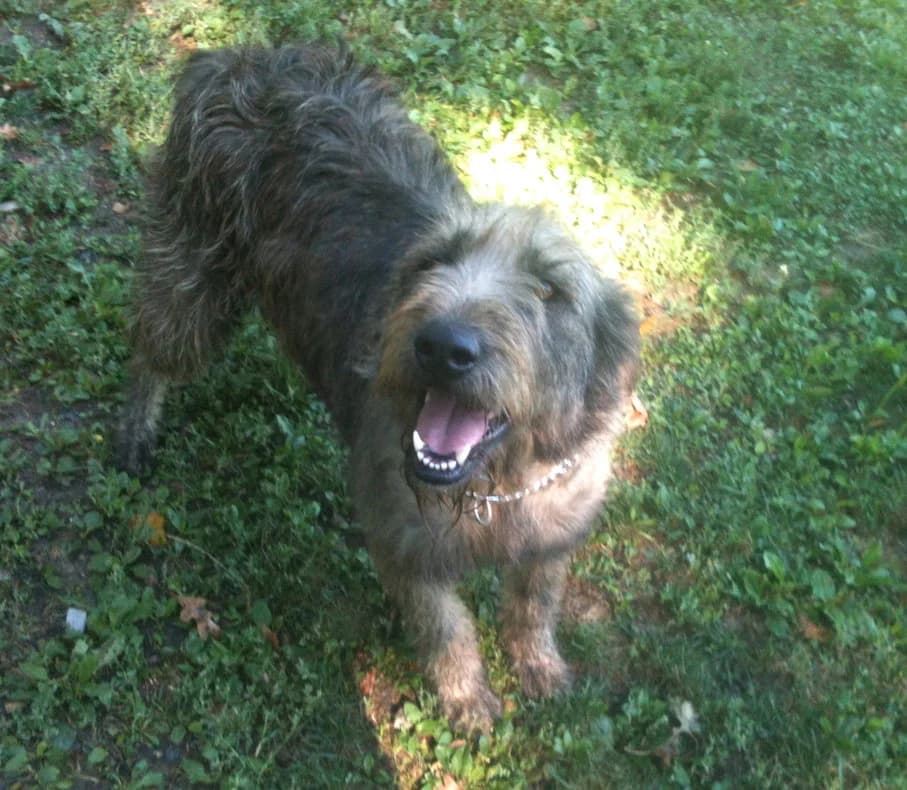
Boris è un incrocio di grandi dimensioni con circa dieci o undici anni. Non può vivere con i gatti. Può vivere con o senza altri cani. Rispettoso dei bambini di qualsiasi età. Boris è entrato nel nostro cura recentemente dopo aver trascorso molti anni in un rifugio privato in Romania. Questo grande orso di cane ha trascorso gran parte della sua vita rinchiuso in un recinto. Guardarlo vivere le nuove libertà di una casa di accoglienza è davvero molto speciale. Boris è un caro vecchio gentiluomo che ama tutte le persone che incontra. Si sta comportando bene con gli altri cani nella sua casa di accoglienza ma sarebbe molto felice di vivere come unico cane in casa. Avrà bisogno di una casa senza gatti ma ama i bambini di qualsiasi età. Boris è stato accollato a Norwich Norfolk Se sei interessato, invia un messaggio o chiama tra le 9:00 e le 17:00 da lunedì a venerdì o tra le 9:00 e le 16:00 sabato. Le quote di adozione sono Puppi già castrati e tutti i cani adulti: £430. Puppi non castrati con contratti di castrazione: £530 (riceverai un rimborso di £100 una volta che ci invierai la prova della castrazione). Cani anziani (10+ anni): £150-£250 (in base all'età e alle esigenze individuali). Condizioni generali per l'adozione Quando adotti un cane di Safe Rescue, DEVI utilizzare una guinzaglio a scivolo. Questo terrà il tuo cane al sicuro: il tuo nuovo cane sarà ansioso e non ti farà fiducia, e non saprai quali situazioni potrebbero disturbare il tuo cane. Se il tuo cane si spaventa, allora un guinzaglio a scivolo è l'unica via per evitare che il cane scappi (molti cani possono scappare da collare e/o finimenti). Ci vorranno ALMENO 3-6 mesi perché il tuo cane si abitu e tu possa conoscere pienamente il cane (più a lungo per i cani nervosi). Il guinzaglio a scivolo deve SEMPRE essere utilizzato durante questo periodo di adattamento. Anche dopo che il cane si è abituato, è più sicuro usare il guinzaglio a scivolo in situazioni in cui il cane potrebbe spaventarsi (ad esempio visitando nuovi posti, intorno a persone sconosciute, dal veterinario), e in situazioni dove potrebbero verificarsi trigger inaspettati (ad esempio intorno alla notte del fuoco d'artificio). I cani nervosi potrebbero dover sempre indossare un guinzaglio a scivolo come misura di sicurezza supplementare. Il guinzaglio a scivolo è un dispositivo di sicurezza e mai deve essere utilizzato come strumento di addestramento. Usare il guinzaglio per applicare pressione sul collo del cane è dannoso. Se il tuo cane tira il guinzaglio, possiamo consigliarti metodi di addestramento che evitano danni. Una volta che il tuo cane si è abituato, potresti voler considerare di utilizzare una cingia (insieme al guinzaglio a scivolo) se il cane è comodo quando viene indossata. La maggior parte delle cingie non sono anti-scappamento, ma le cingie con una cingia dietro le costole (es. Ruffwear Webmaster o Perfect Fit Harness) sono più sicure. Non devono mai essere utilizzati guinzagli estensibili / retrattili sui nostri cani. I cani adottati devono essere ritirati dal rifugio e trasportati direttamente a casa dentro un contenitore metallico sicuro. I recinti e le porte devono essere alti almeno 5 piedi e solidi. Boris è un incrocio di grandi dimensioni con circa dieci o undici anni. Non può vivere con i gatti. Può vivere con o senza altri cani. Rispettoso dei bambini di qualsiasi età. Boris è entrato nel nostro cura recentemente dopo aver trascorso molti anni in un rifugio privato in Romania. Questo grande orso di cane ha trascorso gran parte della sua vita rinchiuso in un recinto. Guardarlo vivere le nuove libertà di una casa di accoglienza è davvero molto speciale. Boris è un caro vecchio gentiluomo che ama tutte le persone che incontra. Si sta comportando bene con gli altri cani nella sua casa di accoglienza ma sarebbe molto felice di vivere come unico cane in casa. Avrà bisogno di una casa senza gatti ma ama i bambini di qualsiasi età. Se sei interessato, invia un messaggio o chiama tra le 9:00 e le 17:00 da lunedì a venerdì o tra le 9:00 e le 16:00 sabato. Le quote di adozione sono Puppi già castrati e tutti i cani adulti: £430. Puppi non castrati con contratti di castrazione: £530 (riceverai un rimborso di £100 una volta che ci invierai la prova della castrazione). Cani anziani (10+ anni): £150-£250 (in base all'età e alle esigenze individuali). Quando adotti un cane di Safe Rescue, DEVI utilizzare una guinzaglio a scivolo. Questo terrà il tuo cane al sicuro: il tuo nuovo cane sarà ansioso e non ti farà fiducia, e non saprai quali situazioni potrebbero disturbare il tuo cane. Se il tuo cane si spaventa, allora un guinzaglio a scivolo è l'unica via per evitare che il cane scappi (molti cani possono scappare da collare e/o finimenti). Ci vorranno ALMENO 3-6 mesi perché il tuo cane si abitu e tu possa conoscere pienamente il cane (più a lungo per i cani nervosi). Il guinzaglio a scivolo deve SEMPRE essere utilizzato durante questo periodo di adattamento. Anche dopo che il cane si è abituato, è più sicuro usare il guinzaglio a scivolo in situazioni in cui il cane potrebbe spaventarsi (ad esempio visitando nuovi posti, intorno a persone sconosciute, dal veterinario), e in situazioni dove potrebbero verificarsi trigger inaspettati (ad esempio intorno alla notte del fuoco d'artificio). I cani nervosi potrebbero dover sempre indossare un guinzaglio a scivolo come misura di sicurezza supplementare. Il guinzaglio a scivolo è un dispositivo di sicurezza e mai deve essere utilizzato come strumento di addestramento. Usare il guinzaglio per applicare pressione sul collo del cane è dannoso. Se il tuo cane tira il guinzaglio, possiamo consigliarti metodi di addestramento che evitano danni. Una volta che il tuo cane si è abituato, potresti voler considerare di utilizzare una cingia (insieme al guinzaglio a scivolo) se il cane è comodo quando viene indossata. La maggior parte delle cingie non sono anti-scappamento, ma le cingie con una cingia dietro le costole (es. Ruffwear Webmaster o Perfect Fit Harness) sono più sicure. Non devono mai essere utilizzati guinzagli estensibili / retrattili sui nostri cani. I cani adottati devono essere ritirati dal rifugio e trasportati direttamente a casa dentro un contenitore metallico sicuro. I recinti e le porte devono essere alti almeno 5 piedi e solidi.
Leggi originale (en)
Boris is a large sized crossbreed aged around 11 years old. Failed cat testing. He could live with or without other dogs. Adult only home. Boris is a large dog who is unaware that his size doesn’t equate to him being a lap dog, however hard he tries. He is a gentle giant who loves nothing more than nuzzling up to his foster family for cuddles and kisses. He spends most of his time as if a shadow of his fosterers, wherever we go, he goes. Whatever you are doing in the house, Boris will be right there by your side. He loves his walks and can be out for quite some time, he also likes going to an enclosed field for a runaround and his favourite activity, a roll in the grass. He walks wonderfully on the lead and plods along nicely. He loves his humans and gets the zoomies daily when his fosterers get home from work, as well as an incredibly waggy tail. Apart from his spurts of energy, Boris is a very chilled out dude who likes the simple things of walks, food, fuss, and sleep. Boris currently lives in a home with other dogs but would be quite happy to be the only dog in the house, where attention to him can be undivided. He cannot live with cats. He needs an adult home. Boris fostered Watton, Norfolk. If you are interested please message or call between 9am to 5pm Mon – Fri or 9am to 4pm Sat. . Adoption Donation Fees are Puppies already neutered and all adult dogs: £430. Un-neutered puppies on spay/neuter contracts: £530 (You will receive a £100 rebate once you send us proof of neutering). Senior dogs (10+ years): £150–£250 (depending on age and individual needs). Adoption Terms & Conditions When you adopt a Safe Rescue dog, you MUST use a slip lead. This will keep your dog safe: your new dog will be nervous and will not trust you, and you will not know which situations might upset your dog. If your dog panics, then a slip lead is the only way to prevent your dog from escaping (many dogs can escape from a collar and/or harness). It will take AT LEAST 3-6 months for your dog to settle-in and for you to know your dog fully (longer for nervous dogs). The slip lead must ALWAYS be used during this settling-in period. Even after your dog is settled, it is safest to use the slip lead in situations where your dog may become scared (e.g. visiting new places, around unfamiliar people, at the vet), and it situations where unexpected triggers might happen (e.g. around bonfire night). Nervous dogs may always need to wear a slip-lead as a back-up safety measure. The slip lead is a safety device and must NEVER be used as a training tool. Using the lead to apply pressure to the dog’s neck is damaging. If your dog pulls on the lead, then we can advise you on training methods that avoid harm. Once your dog is settled, you may want to consider using a harness (together with the slip lead) if your dog is comfortable with being handled when it is fitted. Most harnesses are not escape-proof, but harnesses with a strap behind the ribcage (e.g. Ruffwear Webmaster or Perfect Fit Harnesses) are safer. Retractable / extendable leads must never be used on our dogs. Adopted dogs must be collected from the rescue and transported straight home in a secure metal crate. Fences and gates must be 5foot minimum in height and secure. Boris is a large sized crossbreed aged around 11 years old. Failed cat testing. He could live with or without other dogs. Adult only home. Boris is a large dog who is unaware that his size doesn’t equate to him being a lap dog, however hard he tries. He is a gentle giant who loves nothing more than nuzzling up to his foster family for cuddles and kisses. He spends most of his time as if a shadow of his fosterers, wherever we go, he goes. Whatever you are doing in the house, Boris will be right there by your side. He loves his walks and can be out for quite some time, he also likes going to an enclosed field for a runaround and his favourite activity, a roll in the grass. He walks wonderfully on the lead and plods along nicely. He loves his humans and gets the zoomies daily when his fosterers get home from work, as well as an incredibly waggy tail. Apart from his spurts of energy, Boris is a very chilled out dude who likes the simple things of walks, food, fuss, and sleep. Boris currently lives in a home with other dogs but would be quite happy to be the only dog in the house, where attention to him can be undivided. He cannot live with cats. He needs an adult home. Boris fostered Watton, Norfolk. If you are interested please message or call between 9am to 5pm Mon – Fri or 9am to 4pm Sat. . Adoption Donation Fees are Puppies already neutered and all adult dogs: £430. Un-neutered puppies on spay/neuter contracts: £530 (You will receive a £100 rebate once you send us proof of neutering). Senior dogs (10+ years): £150–£250 (depending on age and individual needs). When you adopt a Safe Rescue dog, you MUST use a slip lead. This will keep your dog safe: your new dog will be nervous and will not trust you, and you will not know which situations might upset your dog. If your dog panics, then a slip lead is the only way to prevent your dog from escaping (many dogs can escape from a collar and/or harness). It will take AT LEAST 3-6 months for your dog to settle-in and for you to know your dog fully (longer for nervous dogs). The slip lead must ALWAYS be used during this settling-in period. Even after your dog is settled, it is safest to use the slip lead in situations where your dog may become scared (e.g. visiting new places, around unfamiliar people, at the vet), and it situations where unexpected triggers might happen (e.g. around bonfire night). Nervous dogs may always need to wear a slip-lead as a back-up safety measure. The slip lead is a safety device and must NEVER be used as a training tool. Using the lead to apply pressure to the dog’s neck is damaging. If your dog pulls on the lead, then we can advise you on training methods that avoid harm. Once your dog is settled, you may want to consider using a harness (together with the slip lead) if your dog is comfortable with being handled when it is fitted. Most harnesses are not escape-proof, but harnesses with a strap behind the ribcage (e.g. Ruffwear Webmaster or Perfect Fit Harnesses) are safer. Retractable / extendable leads must never be used on our dogs. Adopted dogs must be collected from the rescue and transported straight home in a secure metal crate. Fences and gates must be 5foot minimum in height and secure.
Elencati 4 mesi fa