Skip to content
TailHarbor
← Back to results
Available

Adopt L’autoconsapevolezza del cane: la consapevolezza del corpo

Mixed Breed · Unknown

In 2021, a study from the University of Budapest found that dogs have some form of self-awareness because they are able to identify their own body as an obstacle and act accordingly. Researchers started from the consideration that body awareness is a neuro-ontogenetic precursor for higher-order self-representation; however, it seems that so far there has been no ecologically valid experimental approach for this among non-human species. For dogs, the research group prepared a test that allowed measuring the perception of their "body as an obstacle." In practice, the dogs had to pick up and give an object to their owner while standing on a small mat to which the object was attached: therefore, the dogs had to leave the mat because otherwise they would not have been able to lift the object itself. Dogs left the mat more frequently and earlier in this test condition (that is, with the object attached to the mat) rather than in the condition where the object was under the mat, but in both cases the dogs demonstrated an understanding of what the obstacles were and what could interfere or not with the task assigned to them of retrieving the object and delivering it to the owner. The successful completion of the test by the dogs is thus convincing evidence of the ability to possess body awareness through the understanding of the consequences of their actions. Further confirmation of the extraordinary abilities of dogs - but the same can be said of other animals - whose recognition is made possible by the assertion of evolutionary biology and especially behavioral sciences, a field of knowledge that appreciates diversity and, in the absence of a common articulated language, facilitates, for example, the interspecific reading of emotional states as well as the mutual capacity to modify emotional states and, consequently, behaviors.

Read original (it)

Nel 2021, uno studio dell’Università di Budapest ha provato che i cani hanno una qualche forma di coscienza di sé poiché sono in grado di identificare il proprio corpo come un ostacolo e di agire di conseguenza. I ricercatori sono partiti dalla considerazione che la consapevolezza del corpo è un precursore neuro-ontogenetico per l'auto-rappresentazione di ordine superiore: senonchè, sembra sia mancato finora un approccio sperimentale ecologicamente valido per esso tra le specie non umane. Per i cani il gruppo di ricerca ha preparato un test che permetteva di misurare la percezione del proprio “corpo come ostacolo”. In pratica, i cani dovevano raccogliere e dare un oggetto al loro proprietario, mentre erano in piedi su un piccolo tappetino, al quale era stato attaccato l'oggetto: quindi i cani dovevano lasciare il tappetino perché altrimenti non avrebbero potuto sollevare l'oggetto stesso. I cani sono usciti dal tappetino più frequentemente e prima in questa condizione di test (cioè con l’oggetto attaccato al tappetino) piuttosto che nella condizione in cui l’oggetto era sotto il tappetino, ma in entrambe le occasioni i cani hanno dimostrato di comprendere quali fossero gli ostacoli e cosa poteva interferire o meno nel compito che era stato loro assegnato di prelevare l’oggetto e consegnarlo al proprietario. Il superamento del test da parte dei cani è dunque la prova convincente della capacità di possedere la consapevolezza del loro corpo attraverso la comprensione della conseguenza delle proprie azioni. Un'ulteriore conferma delle straordinarie capacità dei cani – ma lo stesso può dirsi di altri animali – il cui riconoscimento è reso possibile dall'affermazione della biologia evoluzionistica e soprattutto delle scienze del comportamentamento, un ambiente di conoscenza che fa apprezzare la diversità e, in assenza di un comune linguaggio articolato, favorisce ad esempio la lettura inter-specifica di stati emotivi così come la capacità reciproca di modificare gli stati emozionali e, di conseguenza, i comportamenti.

Size
Small
Age
Location
🇮🇹Italy
Shelter
Associazione Onlus Apaca
Create free account to contact →

Free account — 10 contacts included

Cared for by Associazione Onlus Apaca · ItalyLearn about Mixed Breed

Listed 1 month ago

Bringing L’autoconsapevolezza del cane: la consapevolezza del corpo home

What you'll need for L’autoconsapevolezza del cane: la consapevolezza del corpo in week one.

Hand-picked · prices indicative

  1. 01
    Required by most shelters

    Trixie Transport Box

    Sturdy plastic carrier — what most shelters require for pickup.

    View on Amazon
    €35–45
  2. 02
    Editor's pick

    Folding Wire Crate

    First-week safe space. Shelter dogs settle faster with a crate.

    View on Amazon
    €50–80
  3. 03
    Legal · EU

    Car Seatbelt Tether

    Legally required in most EU countries for transporting dogs.

    View on Amazon
    €8–12
  4. 04

    Adaptil Calming Spray

    Dog-specific pheromone diffuser. Worth it for the trip home.

    View on Amazon
    €18–25
  5. 05

    Orthopaedic Dog Bed

    Worth the upgrade — rescues often have joint issues from kennels.

    View on Amazon
    €30–60
  6. 06
    Safer than a collar

    Padded Y-Front Harness

    Escape-proof for spooky rescues. Safer than a collar in week one.

    View on Amazon
    €20–35

§ Affiliate links · TailHarbor earns a small commission, no extra cost to you.

About L’autoconsapevolezza del cane: la consapevolezza del corpo

What life with L’autoconsapevolezza del cane: la consapevolezza del corpo looks like

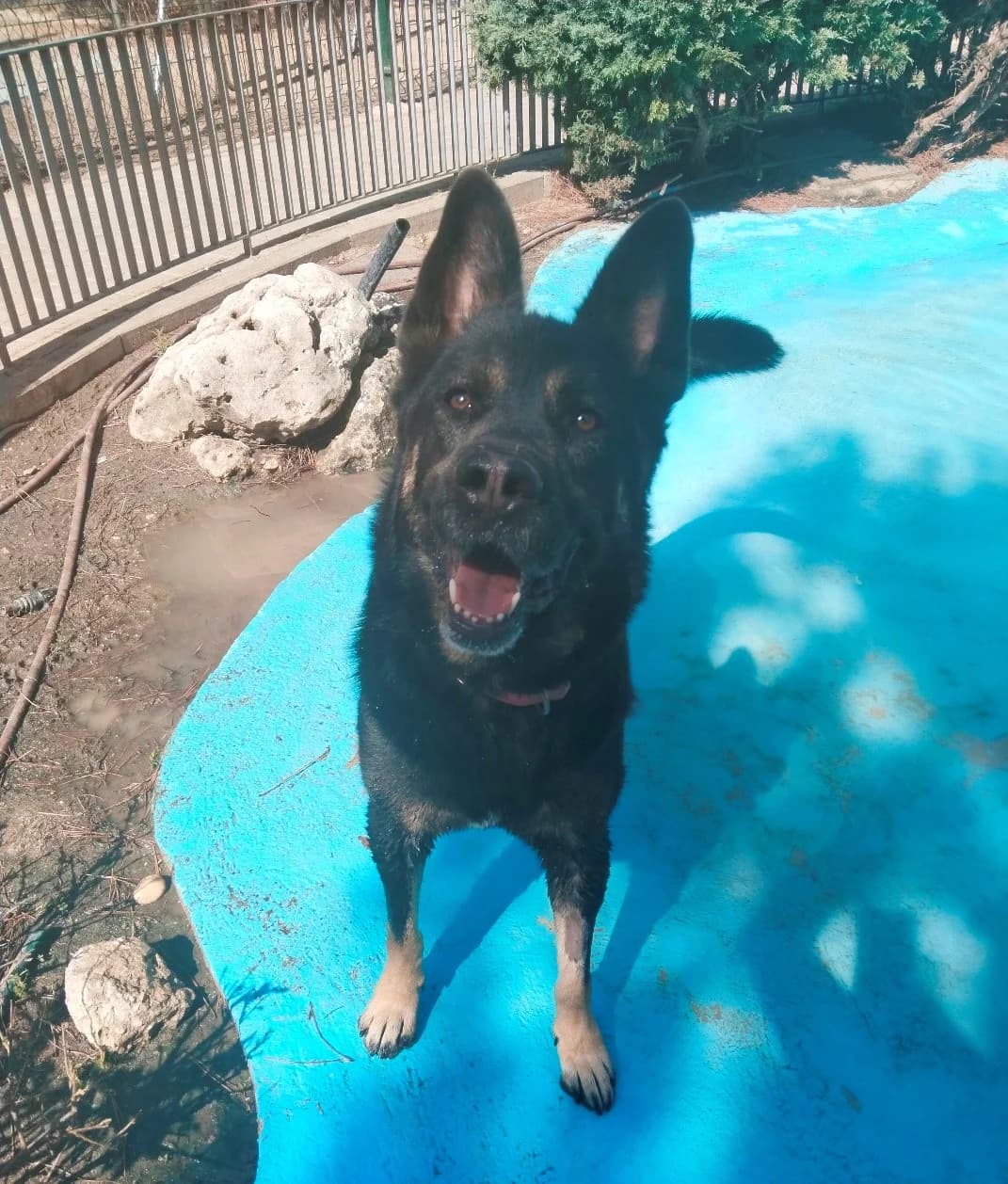
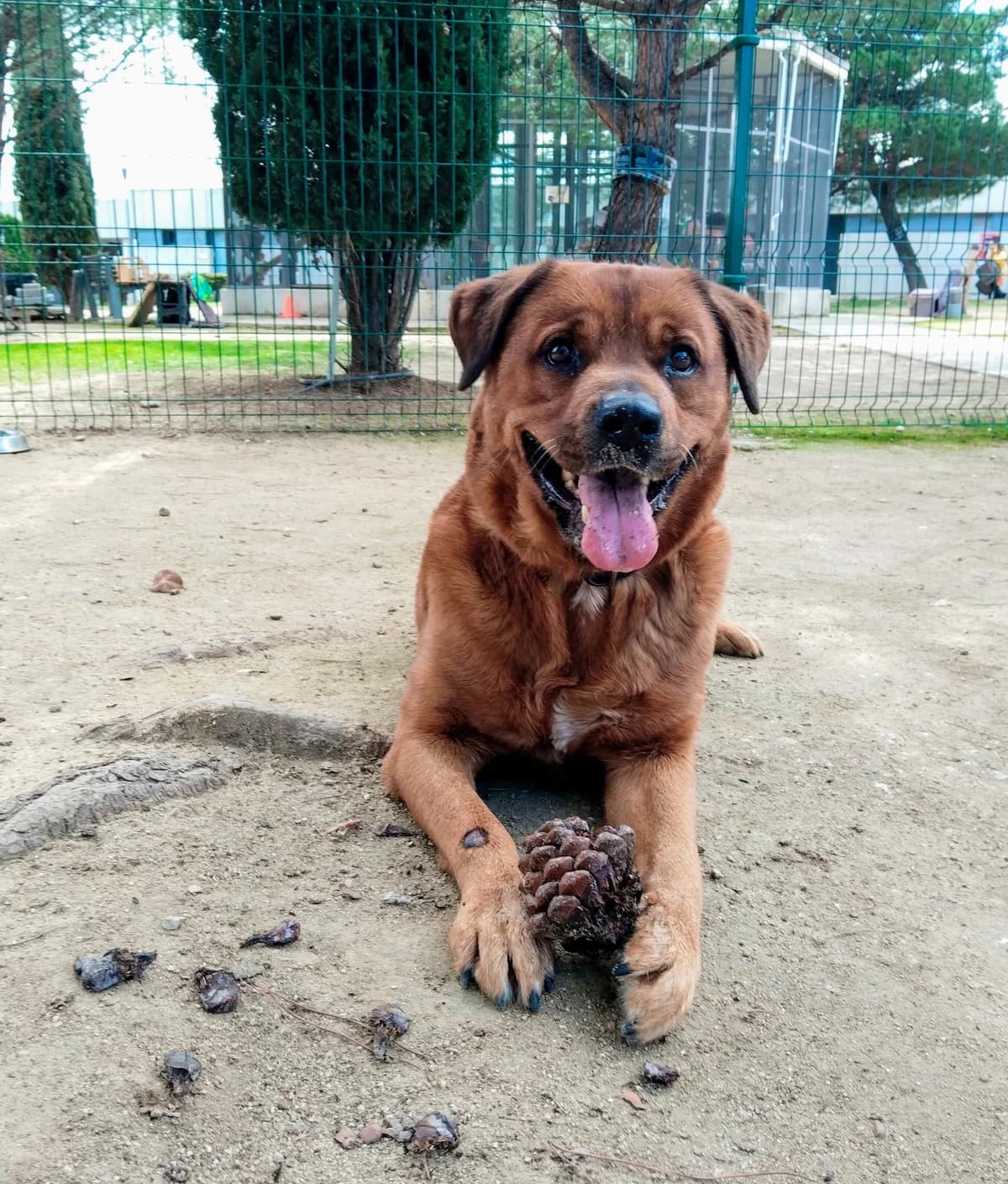
L’autoconsapevolezza del cane: la consapevolezza del corpo is a small adult mixed breed dog waiting at Associazione Onlus Apaca in Italy.

An adult dog fits most household rhythms once the first couple of weeks of adjustment pass. Two reasonable walks a day plus play time is usually enough. Plan a "decompression fortnight" — quiet routine, no visitors, no off-leash adventures — to let them settle.

🇮🇹Adopting from Italy

Italian canili require adopters to sign a stewardship contract (affido) and may retain the right to verify the animal's wellbeing post-adoption. Animals are chipped and sterilized before leaving (Legge 281/91). Public canili rifugio typically waive adoption fees.

Italy, Italy browse more dogs in Italy.

Frequently asked

Adopting L’autoconsapevolezza del cane: la consapevolezza del corpo, answered.

How do I contact the shelter about L’autoconsapevolezza del cane: la consapevolezza del corpo?
Use the phone, email, or website link in the sidebar of this page. Associazione Onlus Apaca handles screening and the adoption contract directly — TailHarbor doesn't broker the conversation. When you reach out, mention you saw L’autoconsapevolezza del cane: la consapevolezza del corpo on TailHarbor so they know which animal you're asking about.
Can I adopt L’autoconsapevolezza del cane: la consapevolezza del corpo if I live in another country?
Yes, in most cases. Rescues across Europe routinely place animals abroad — Associazione Onlus Apaca will tell you what they need (EU pet passport, rabies titer, transport coordination) and whether they handle transport themselves or refer you to a partner. Plan for an extra €100–€350 in transport costs depending on distance.
Is L’autoconsapevolezza del cane: la consapevolezza del corpo already vetted, vaccinated, and chipped?
Most dogs on TailHarbor leave their shelter with sterilization, current vaccinations, microchip ID, and an EU pet passport included in the adoption fee. The vet status on this page reflects what the shelter has reported — ask them directly if you need details on specific vaccines, recent bloodwork, or chronic conditions.
What happens if L’autoconsapevolezza del cane: la consapevolezza del corpo isn't the right fit?
Every reputable rescue accepts an animal back if the adoption genuinely doesn't work — that's part of the standard contract. Talk it through with Associazione Onlus Apaca early rather than rehoming privately; they know L’autoconsapevolezza del cane: la consapevolezza del corpo and can place them more successfully than a second-hand listing can.
Why does the description sometimes read awkwardly?
TailHarbor translates shelter descriptions into English from the source language (IT). Translation is imperfect — names of streets, donors, and shelter-specific terms occasionally slip through unidiomatically. For the cleanest read, click the source link to see the shelter's original page.
You might also like

More Mixed Breed pets

Flaco

4 months

Mixed Breed

🇪🇸Madrid, Spain

Thor

Mixed Breed

🇪🇸Madrid, Spain

Oso

Mixed Breed

🇪🇸Madrid, Spain

More from Associazione Onlus Apaca

Quando la coppia scoppia, la prima vittima è il cane

Mixed Breed · medium

🇮🇹Italy

A Natale, meticcio o di razza? In ogni caso, mai on-line

3 months

Mixed Breed

🇮🇹Italy

Cane del rifugio ferito a causa dei botti

12 years

Mixed Breed

🇮🇹Italy

Similar animals

More Mixed Breeds looking for a home

RIO

Mixed Breed · medium

🇮🇹Italy

NACHO

Mixed Breed · medium

🇮🇹Italy

GARCIA

Mixed Breed · medium

🇮🇹Italy

GAVI

Mixed Breed · medium

🇮🇹Italy

NEGRITA

Mixed Breed · medium

🇮🇹Italy

WOODY

Mixed Breed · medium

🇮🇹Italy

Spotted something wrong? Suggest a change →

Adopt L’autoconsapevolezza del cane: la consapevolezza del corpo — Mixed Breed in Italy | TailHarbor