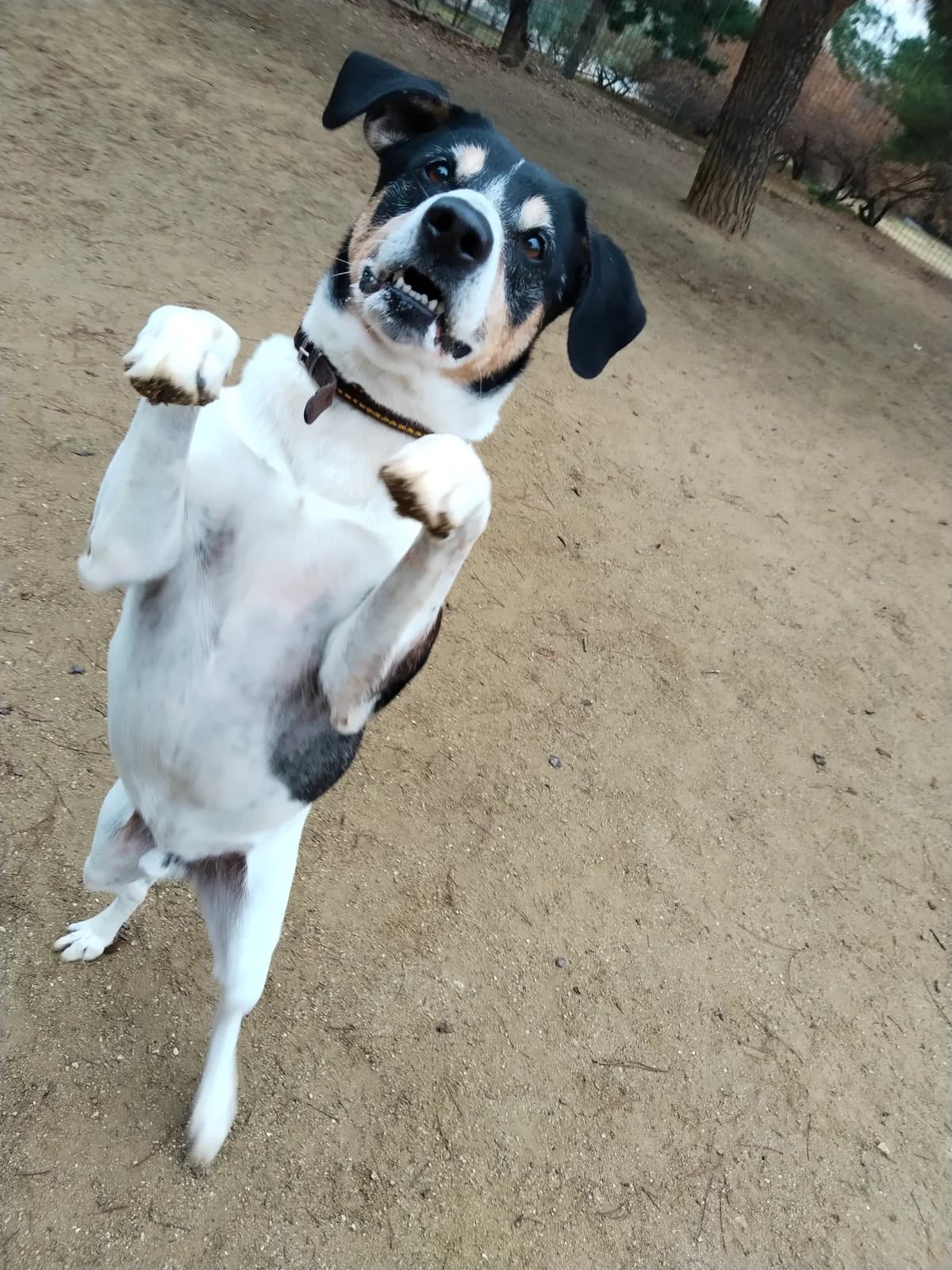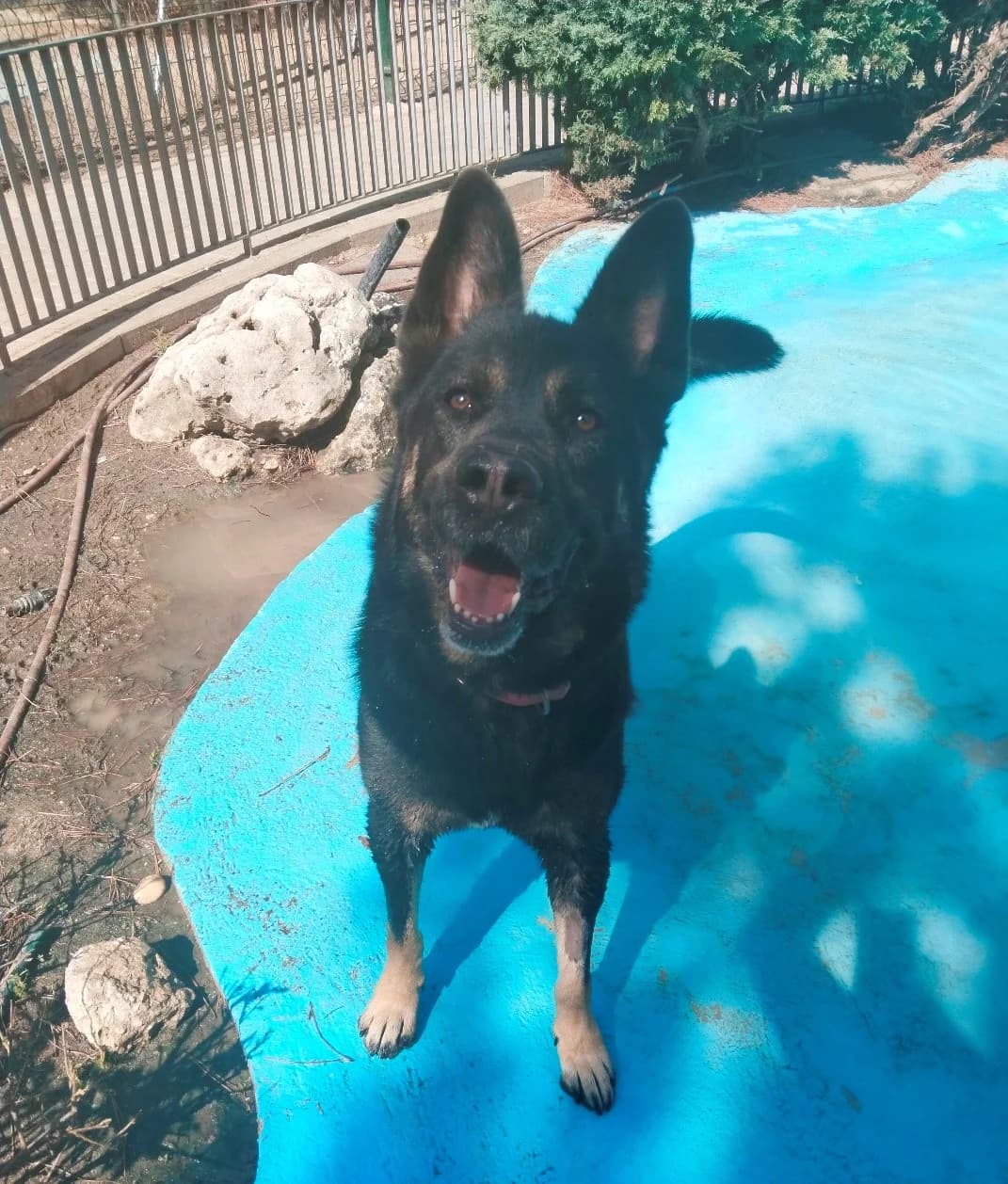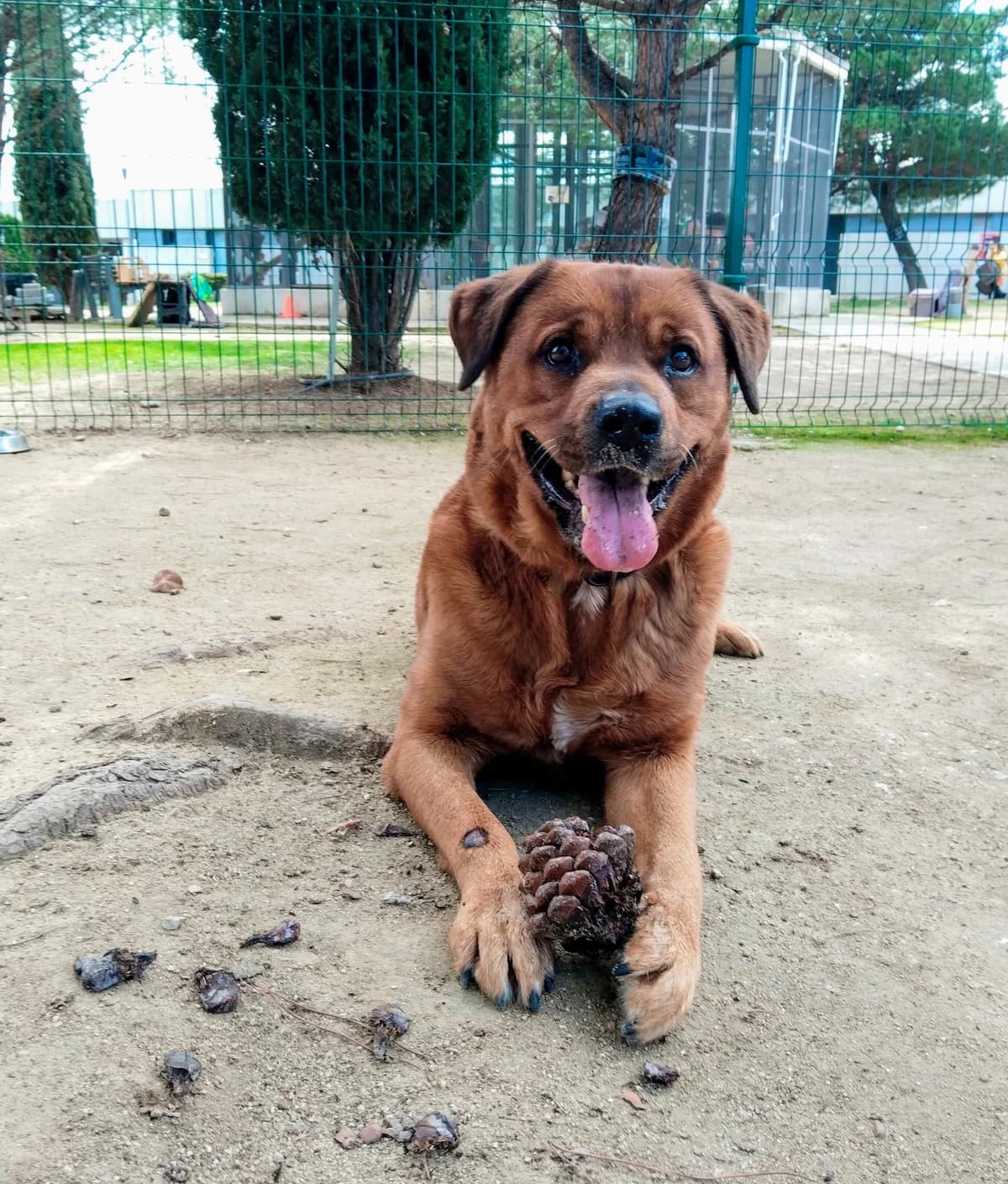
Adopt Voglio un cane uguale
Mixed Breed · Unknown · Young · 1 year
Cloning in the future of dogs and cats. A real risk or a luxury for the few? "In the thirty years following when Dolly proved that an adult mammal can essentially be born again, cloning has spread. So far, almost 60 different species and subspecies have been cloned, including fruit flies, fish, frogs, ferrets, French bulldogs and monkeys, an achievement considered almost impossible for years due to the structure of primate eggs. Once confined to research laboratories, the technology has become reliable and profitable enough to allow the creation of companies around the world, which are producing clones of police dogs with infallible senses, show horses, pigs for organ transplants and cattle with high genomic scores, meaning super productive milk cows and bulls with unusually tasty meat." Written by Bianca Boscker in a thoroughly documented article published in Atlantic and picked up by Internazionale in July 2025. At present, it's mainly wealthy clients who resort to cloning their pets, used to having every desire fulfilled, including Barbra Streisand, who had three clones of her late Coton de Tuléar dog, the family of Pablo Escobar, who had a horse cloned, Tom Brady, NFL legend, who cloned his pit bull mixed-breed dog Lua, Paris Hilton who wanted a clone of her chihuahua and Javier Milei, eccentric (to say the least!) president of Argentina, who had his dog cloned already in 2017. An affair not for everyone, then, given that cloning a dog or cat currently costs about $50,000 and for a horse it goes up to $85,000, including surrogate mothers! And it's pursued without many moral or ethical concerns: "to meet demand, canine embryos from different customers are often implanted into the same surrogate mother: this means that a beagle could theoretically give birth to a litter composed of a cloned Chihuahua, a cloned Yorkshire terrier and a cloned miniature pinscher". Obviously, the mother is always expendable compared to the clone, and it's also easy to produce excess cloned animals, sometimes sold at cheaper prices and other times adopted by someone. Currently, economic reasons outweigh sentimental ones, but it's not certain that the percentages will change within a reasonably short time, since even if there is awareness that a clone cannot be the resurrected original, cloning somehow allows people to delude themselves that the original never dies and this, for many, is something more than just a simple temptation. After all, cloning is a complex and evolving field that touches many areas and pursues different purposes: from zootechnical to therapeutic, from biomedical to combating extinction of species, and when this happens, commercial mechanisms often mix the cards and achieve objectives that are currently denied (such as human cloning). To produce a clone there are three phases, recalls LAV: "the collection of DNA cells from the animal to be cloned; the collection of a neutral embryo (i.e., without DNA) from another dog or cat (subject, therefore, to experimentation); the hybridization of the embryo with the cells obtained from the collection made on the dog and implanted in the uterus of another animal. An approach that uses sentient beings as objects and as production basins of copy animals only to respond to absurd selfish emotions and creating companies that experiment on animals." In the United States - but also in China and South Korea, which was the first in 2005 to clone a dog - the cloning of domestic animals is legal and there is a growing market, despite the doubts and perplexities of science: for example, a 2018 study by Columbia University shows that the success rate for dogs is around 20%, with the immediate consequence that, to reach the result commissioned by the client, more surgical interventions are needed to collect the oocytes and implant the embryo, at the expense of animal welfare. In Europe, however, the cloning of domestic animals is not allowed and in Italy it is banned by legislative decree n.12 of 2021. In Spain, however, there are clinics that collect requests and perform the procedure in the United States and also in the United Kingdom, a sign that the market is becoming interesting and morality and ethics may soon be overshadowed. But what alternative could there be to cloning your dog? Simple, if you are a responsible human being and ethically oriented, if you are aware that your dog taught you that you can live with dignity even in death and no clone will ever be able to be by your side as he did, then the alternative exists...adopt a dog from the shelter.
Read original (it)
La clonazione nel futuro di cani e gatti. Rischio concreto o lusso per pochi? “Nei trent’anni successivi a quando Dolly ha dimostrato che un mammifero adulto può sostanzialmente nascere di nuovo, la clonazione ha proliferato. Finora sono state clonate quasi 60 specie e sottospecie diverse, tra cui moscerini della frutta, pesci, rane, furetti, bulldog francesi e scimmie, un’impresa giudicata per anni quasi impossibile data la struttura degli ovuli dei primati. Un tempo confinata nei laboratori di ricerca, la tecnologia è diventata abbastanza affidabile e proficua da permettere la creazione di aziende in tutto il mondo, che stanno sfornando cloni di cani poliziotto dal fiuto infallibile, cammelli da concorso, maiali per il trapianto degli organi e bovini “dall’alto punteggio genomico”, cioè mucche da latte superproduttive e manzi dalla carne insolitamente gustosa”. A scriverlo è Bianca Boscker in un documentatissimo articolo pubblicato su Atlantic e ripreso da Internazionale di luglio 2025 . Al momento, ricorrono alla clonazione di animali domestici soprattutto clienti facoltosi abituati a veder accontentato ogni loro desiderio, tra cui Barbra Streisand, che ha fatto fare tre cloni del suo defunto cane Coton de Tuléar, la famiglia di Pablo Escobar, che ha fatto clonare un cavallo, Tom Brady leggenda della National Football Leaguee che ha clonato la sua pitbull meticcia Lua, Paris Hilton che ha voluto un clone del proprio chihuahua e Javier Milei eccentrico (a dir poco!) presidente dell'Argentina che ha fatto clonare il proprio cane già nel 2017. Un affare non per tutti, dunque, visto che clonare un cane o un gatto attualmente costa circa 50.000 dollari e per un cavallo si arriva agli 85.000, madri suggorate comprese! E da perseguire senza tante remore morali o etiche: “per soddisfare la domanda, si impiantano spesso embrioni canini provenienti da clienti diversi nella stessa madre surrogata: questo significa che un beagle potrebbe teoricamente partorire una cucciolata composta da un Chihuahua clonato, uno Yorkshire clonato e un pinscher nano clonato”. Ovviamente, non solo la madre è sempre sacrificabile rispetto al clone, ma è anche facile che si producano animali clonati in eccesso, talvolta ceduti a prezzi più convenienti e altre volte adottati da qualcuno. Al momento, i motivi economici superano quelli sentimentali, ma non è detto che le percentuali cambino nel giro di un tempo ragionevolmente breve, dato che, se anche c'è la consapevolezza che un clone non può essere l’originale resuscitato, in qualche modo la clonazione permette di illudersi che l’originale non muoia mai e questo, per molti, è qualcosa di più di una semplice tentazione. Del resto, la clonazione è un mondo complesso e in evoluzione, che tocca molti ambiti e persegue differenti finalità: da quelle zootecniche a quelle terapeutiche, da quelle biomediche a quelle di contrasto all'estinzione di specie e, quando ciò accade, i meccanismi commerciali riescono spesso a mescolare le carte e raggiungere obiettivi al momento negati (come, ad esempio, la clonazione umana). Per produrre il clone ci sono tre fasi, ricorda LAV: “il prelievo di cellule di DNA dall'animale che si vuole clonare; il prelievo di un embrione neutro (ovvero privo di DNA) da un altro cane/gatto (soggetto, quindi, a sperimentazione); l'ibridazione dell'embrione con le cellule ottenute dal prelievo fatto al cane e impiantato nell'utero di un altro animale. Un approccio che sfrutta esseri senzienti come oggetti e come bacini di produzione di animali-copia solo per rispondere ad assurde emotività egoiste e creando aziende che sperimentano su animali”. Negli Stati Uniti – ma anche in Cina e Corea del Sud, che è stata la prima nel 2005 a clonare un cane – la clonazione di animali domestici è legale e c'è un mercato in notevole crescita, nonostante i dubbi e le perplessità della scienza: uno studio del 2018 della Columbia University dimostra, ad esempio, che il tasso di successo per i cani è intorno al 20% con l'immediata conseguenza che, per raggiungere il risultato commissionato dal cliente, ci vogliono più interventi chirurgici per raccogliere gli ovociti e impiantare l'embrione, con buona pace del benessere animale. In Europa, invece, la clonazione di animali domestici non è ammessa e in Italia è vietata dal decreto legislativo n.12 del 2021. In Spagna, però, ci sono cliniche che raccolgono le richieste ed eseguono il procedimento negli Stati Uniti e così anche nel Regno Unito, segno che il mercato sta diventando interessante e morale ed etica potranno presto essere surclassate. Ma che alternativa ci potrebbe essere alla clonazione del proprio cane? Semplice, se sei un animale umano responsabile ed eticamente orientato, se sei consapevole che il tuo cane ti ha insegnato che si può vivere dignitosamente anche la morte e nessun clone saprà mai starti vicino come lui ha fatto, allora l'alternativa c'è…adotta un cane del canile.
Free account — 10 contacts included
Listed 1 month ago