
Herding · Dog
German Shepherd
The German Shepherd is a large, versatile working breed from Germany, renowned for its intelligence, courage, and trainability. They excel in police, military, search-and-rescue, and service work, and are fiercely loyal family protectors.
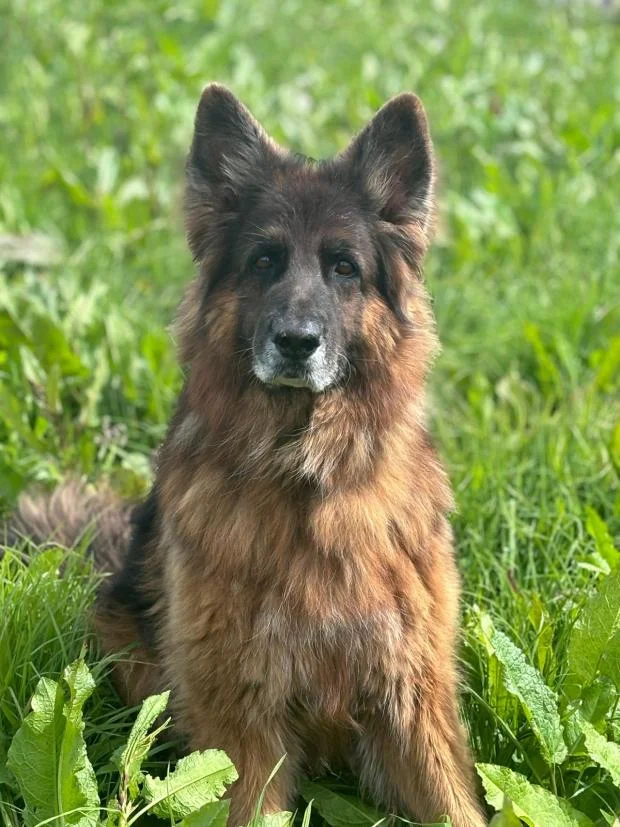
Available German Shepherds
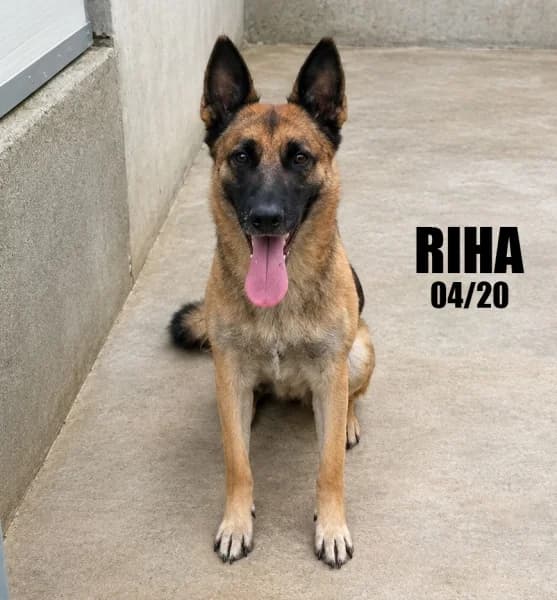
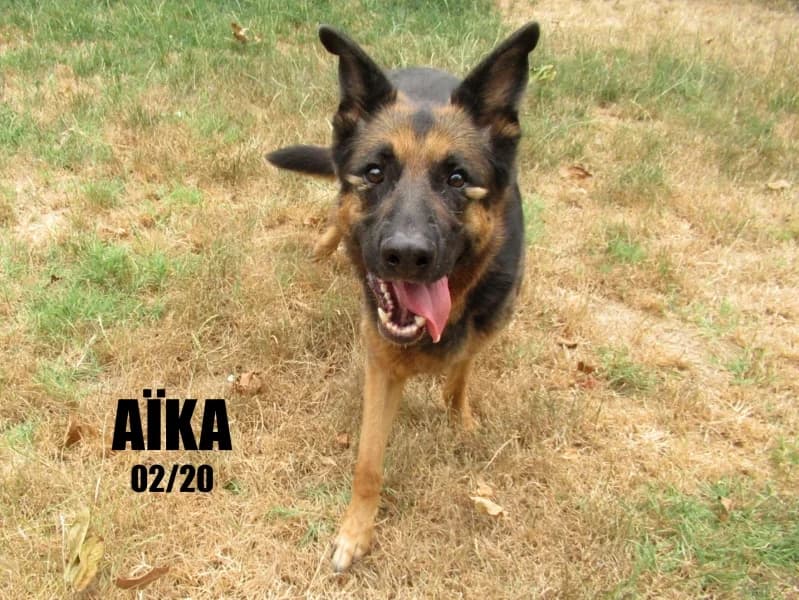
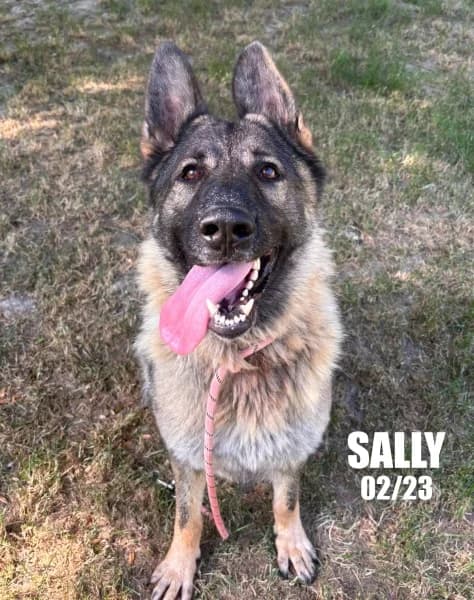

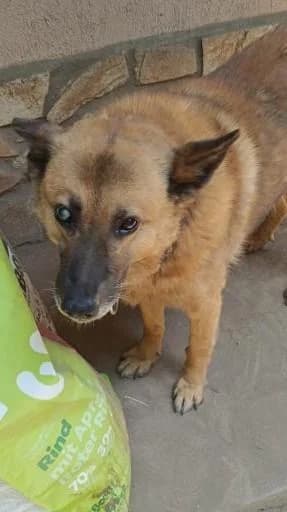
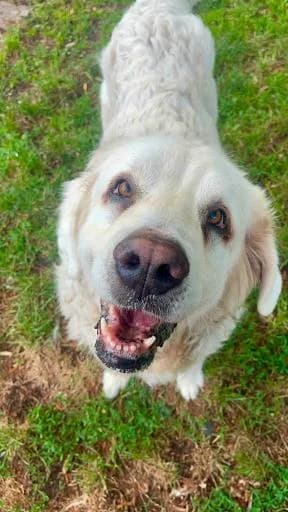
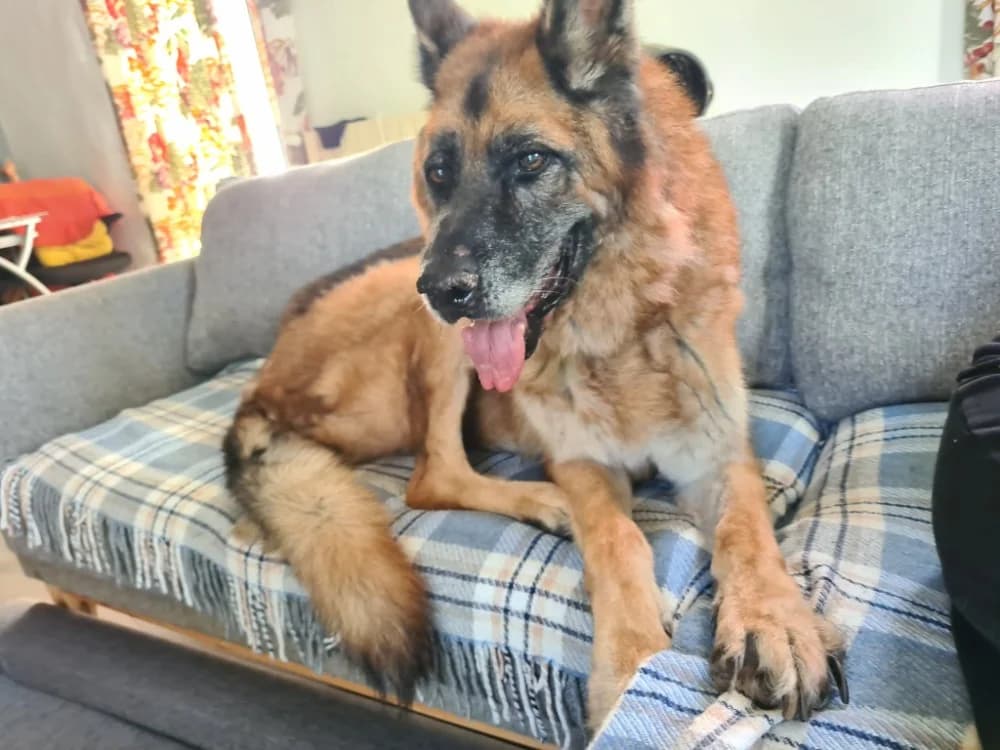
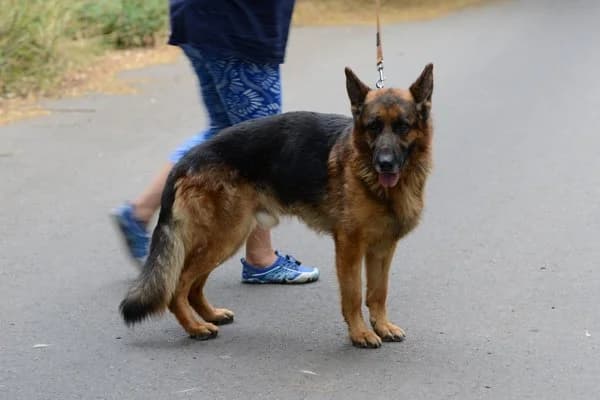
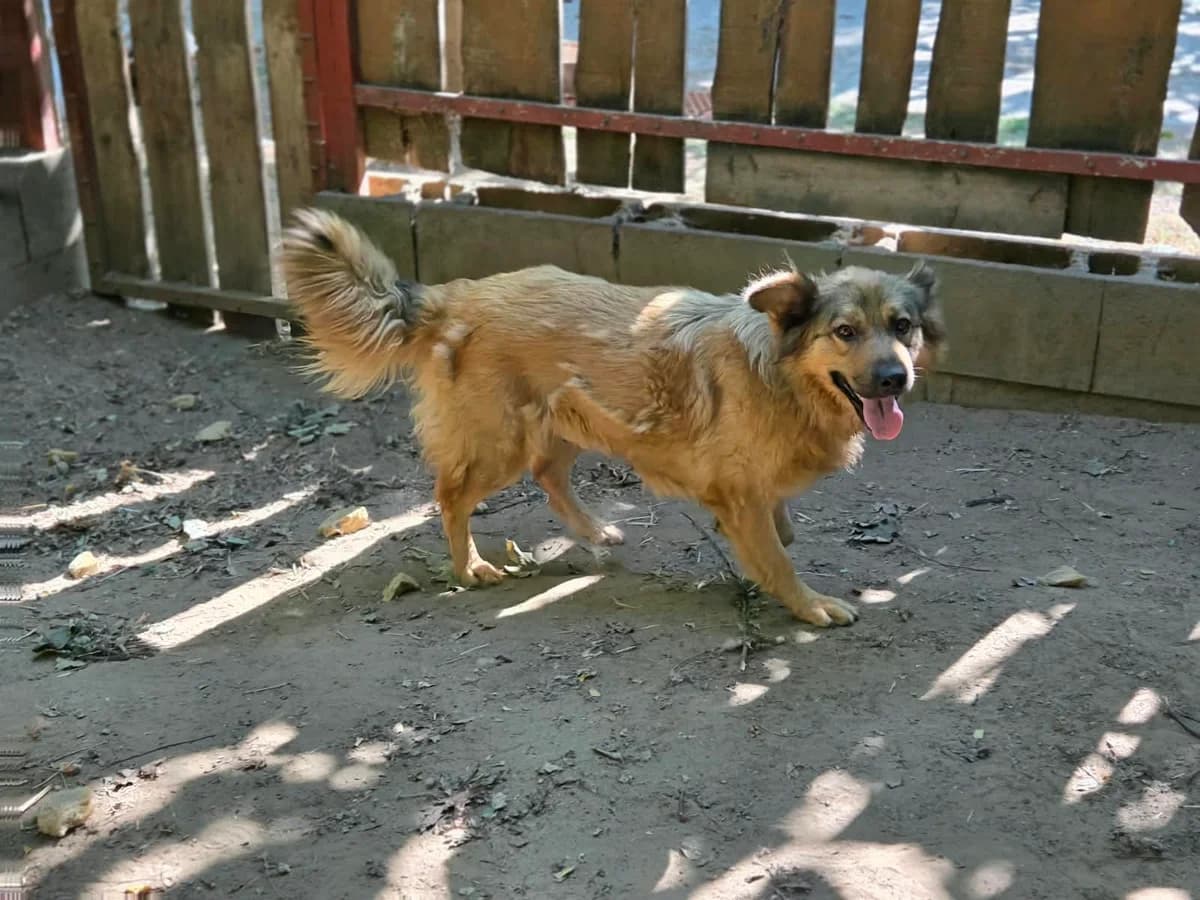
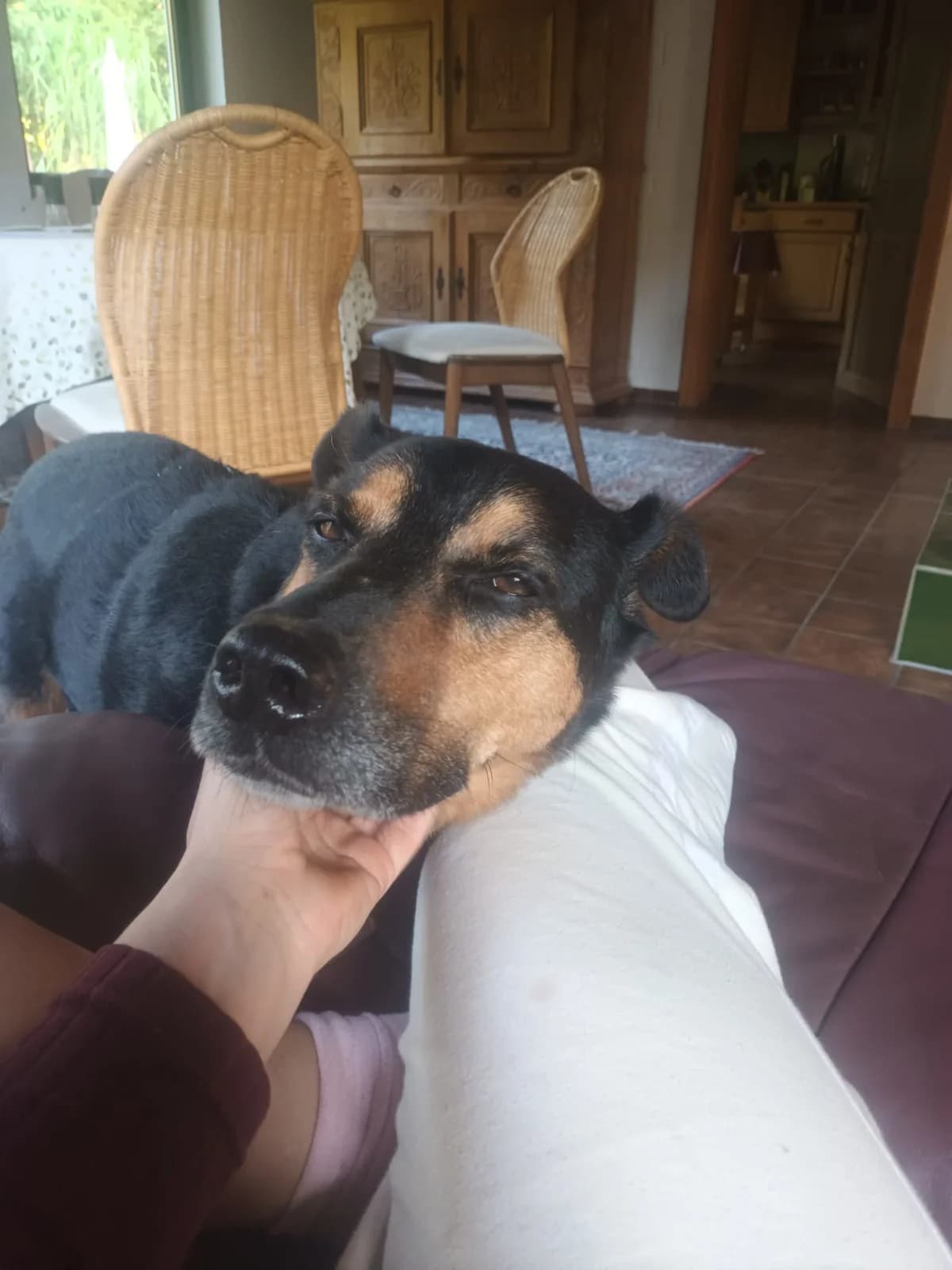

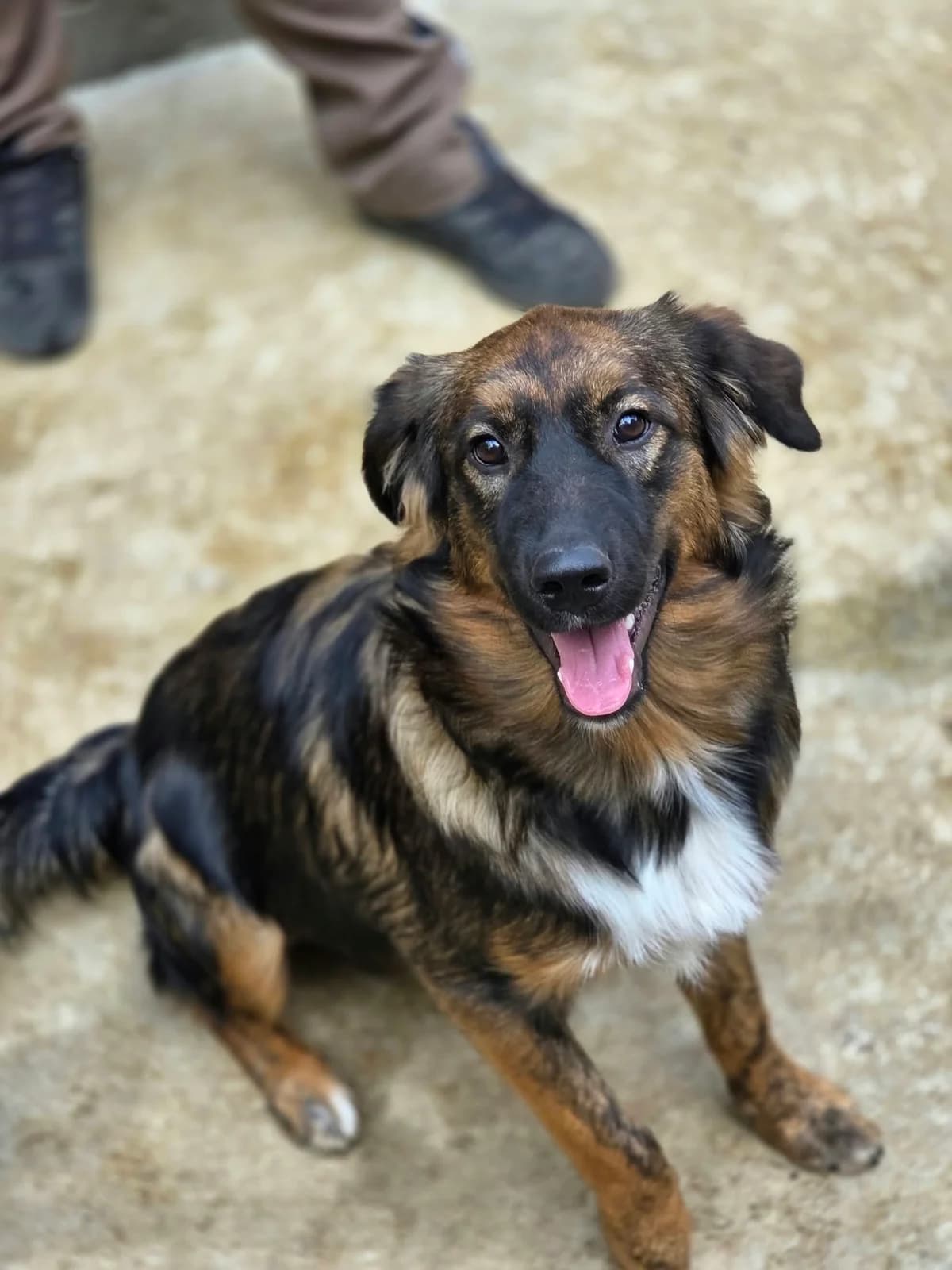
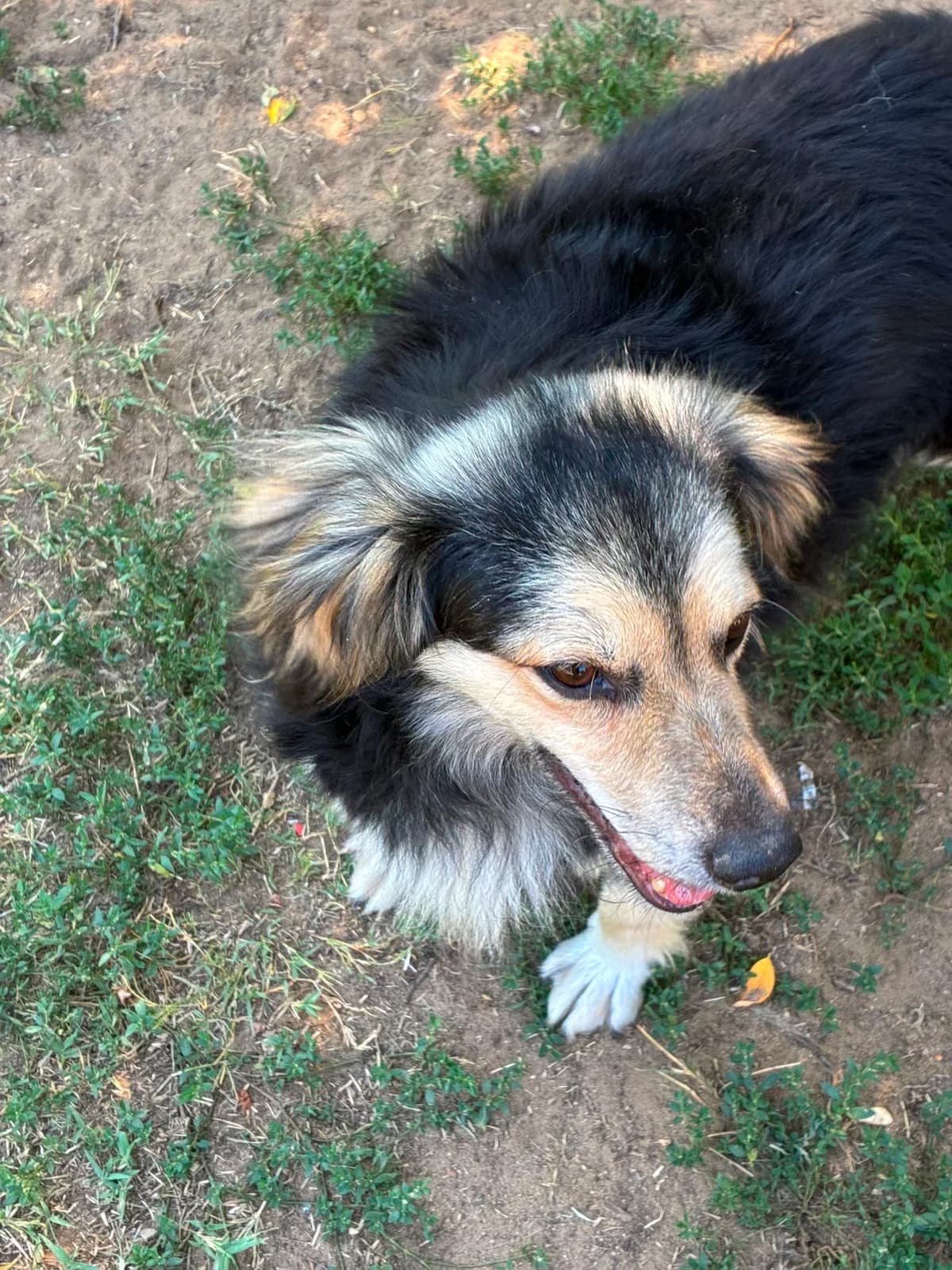

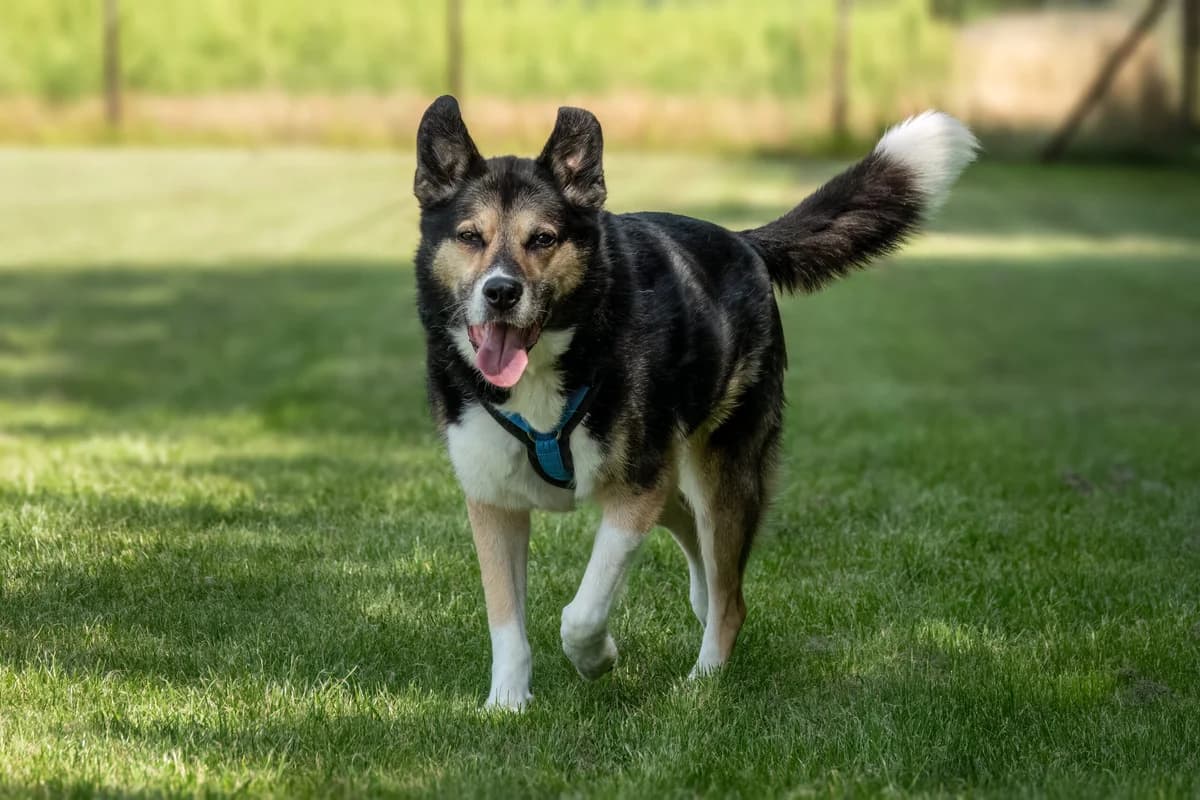
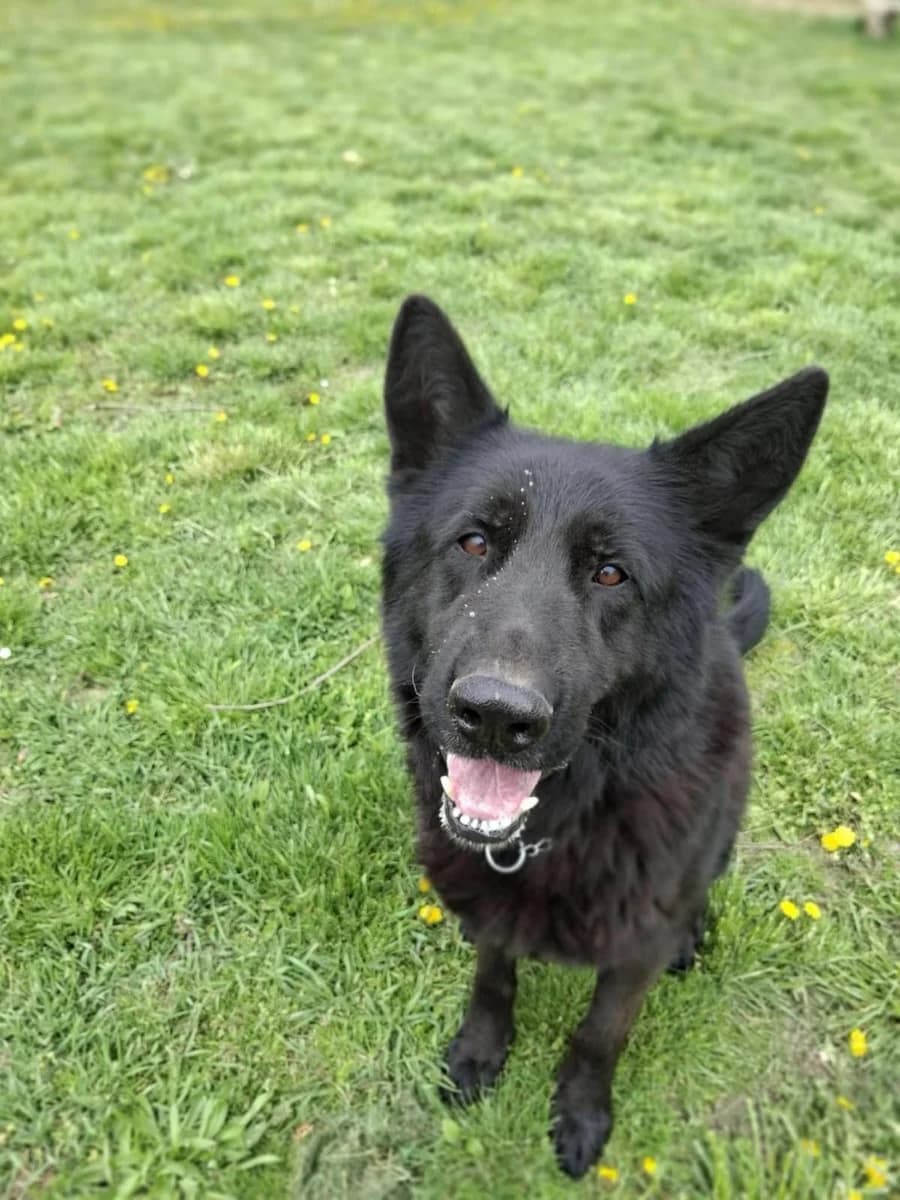
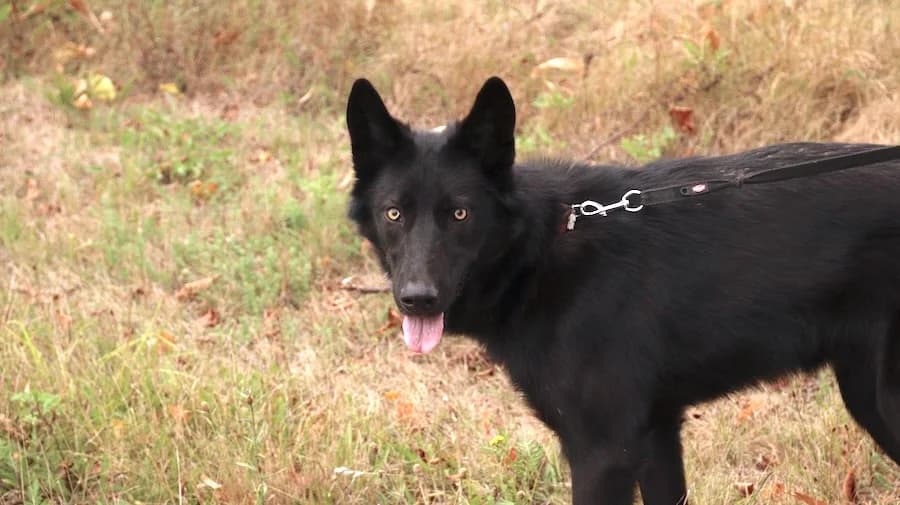

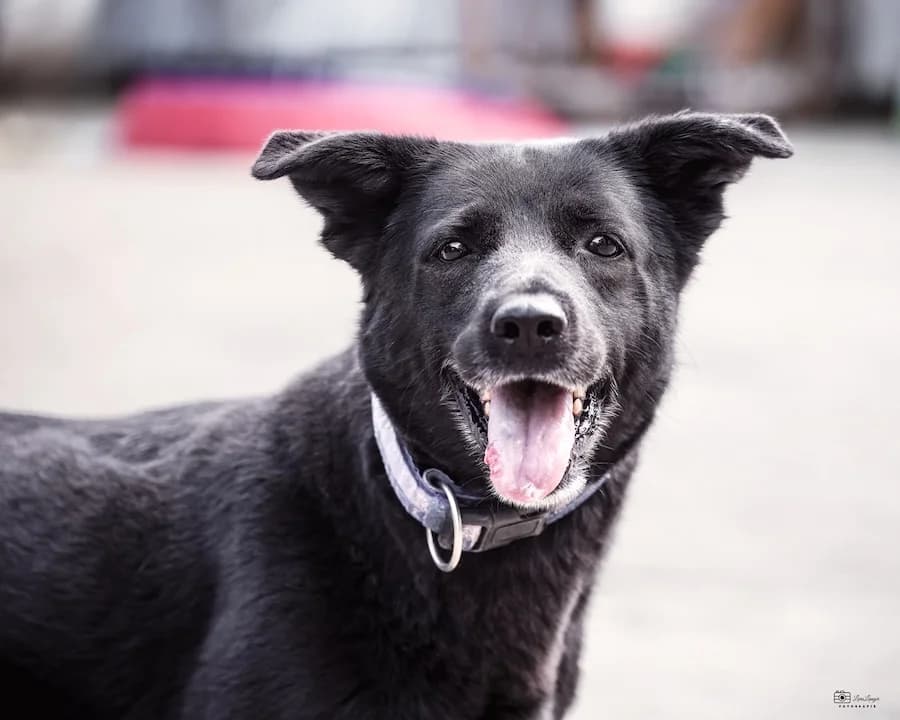
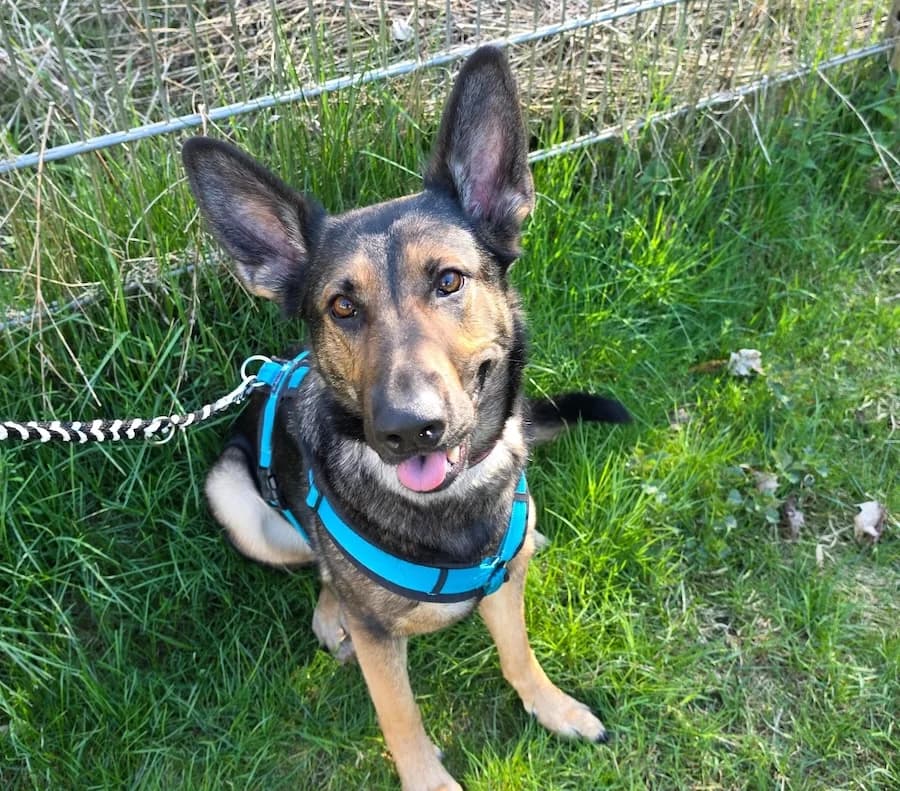
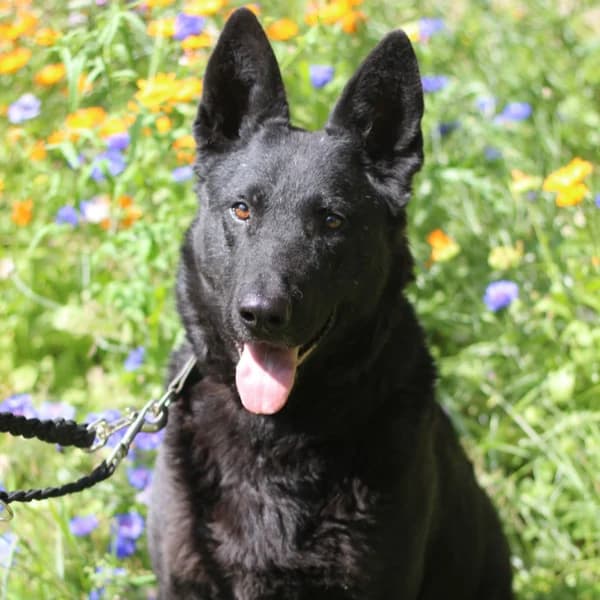
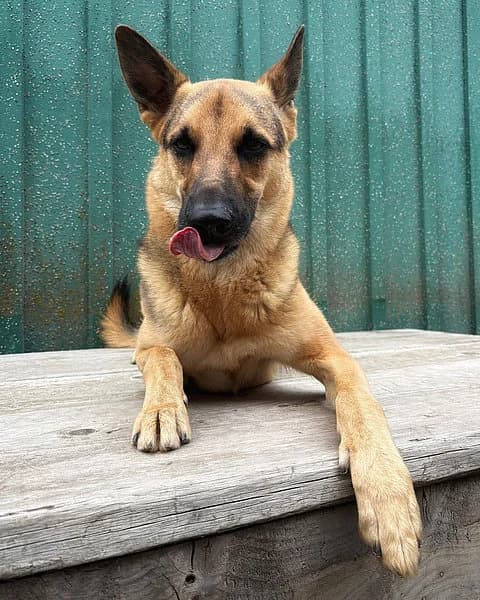


Page 1 of 47 · 1111 German Shepherds
Live data
German Shepherd adoption in Europe right now.
1,018 German Shepherds are currently listed for adoption by 365 rescue shelters across 17 countries. Most are in Germany (618), Spain (143), France (86).
259 of them arrived within the last 30 days, so the listings change constantly — if none of the current dogs are the right match, it is worth checking back.
About the breed
German Shepherd characteristics.
The German Shepherd is a member of the Herding group, typically large in size. Like all dogs, individual German Shepherd personalities can vary — rescue dogs especially may have unique temperaments shaped by their prior experiences. Getting to know a dog before adopting is always recommended.
As a larger breed, the German Shepherd generally needs ample space and regular exercise. A home with a garden or access to open spaces is ideal, though many larger dogs adapt well to apartment living with sufficient daily walks.
Rescue German Shepherd dogs may need extra patience during the settling-in period. Many shelters provide behavioural assessments and can advise on whether a specific dog is suited to your household.
Adoption guide
What to expect when adopting a German Shepherd.
Adopting a German Shepherd from a rescue shelter gives a deserving animal a second chance at happiness. Shelters across Europe care for thousands of dogs, and every adoption makes room for another animal in need.
The adoption process
Most European shelters follow a structured adoption process: an initial application, a meet-and-greet with the animal, a home check (in some countries), and finally the adoption contract.
Health and veterinary care
Reputable shelters vaccinate, microchip, and neuter or spay animals before rehoming. Adoption fees typically cover these veterinary costs.
Settling in at home
The first few weeks are an adjustment period. A quiet space, consistent routine, and patience go a long way. Many rescue dogs blossom within weeks once they feel safe and loved.
Adopting from another country
Cross-border adoption within Europe is common. Your German Shepherd will need an EU pet passport, a valid rabies vaccination, and a microchip. Check our dog import guides for country-specific requirements.
Why adopt
Why adopt a German Shepherd?
Many people are surprised to find purebred and pedigree animals in rescue shelters. German Shepherd dogsend up in shelters for many reasons — changes in owner circumstances, allergies, moving abroad, or simply being found as strays. None of these reasons reflect on the animal's character.
By choosing to adopt rather than buy, you help reduce demand for commercial breeding, give an animal a loving home, and support the vital work that rescue shelters do across Europe.
Questions & answers
Adopting a German Shepherd: common questions.
How many German Shepherds are available for adoption right now?
There are currently 1,018 German Shepherds listed for adoption on TailHarbor, from 365 rescue shelters across Europe. 259 of them were listed within the last 30 days, so new German Shepherds arrive regularly.
Which countries have German Shepherds available for adoption?
German Shepherds are currently listed in 17 countries. Most are with shelters in Germany (618), Spain (143), France (86) and United Kingdom (33).
Are young or senior German Shepherds available?
Yes — current listings include 43 puppies, 242 young (1–3 years), 374 adults and 154 seniors (8+ years). Senior animals often wait longest for a home and many shelters reduce fees for them.
Can I adopt a male or female German Shepherd?
Of the German Shepherds currently listed, 600 are male and 344 female. You can filter by sex on the search page.
What does adopting a German Shepherd from a shelter include?
Reputable European shelters vaccinate, microchip, and neuter or spay animals before rehoming, and the adoption fee typically covers those veterinary costs. Most shelters follow a structured process: an application, a meet-and-greet, sometimes a home check, and an adoption contract.
Can I adopt a German Shepherd from another country?
Yes — cross-border adoption within Europe is common. The animal needs an EU pet passport, a valid rabies vaccination, and a microchip; many shelters arrange transport or work with established transport partners.
Find your match
1,018 German Shepherd are waiting for a home right now.
Find German Shepherd for adoption →