Occuparsi di un cane costa l’86% in più di 10 anni fa…anche per APACA adopteren
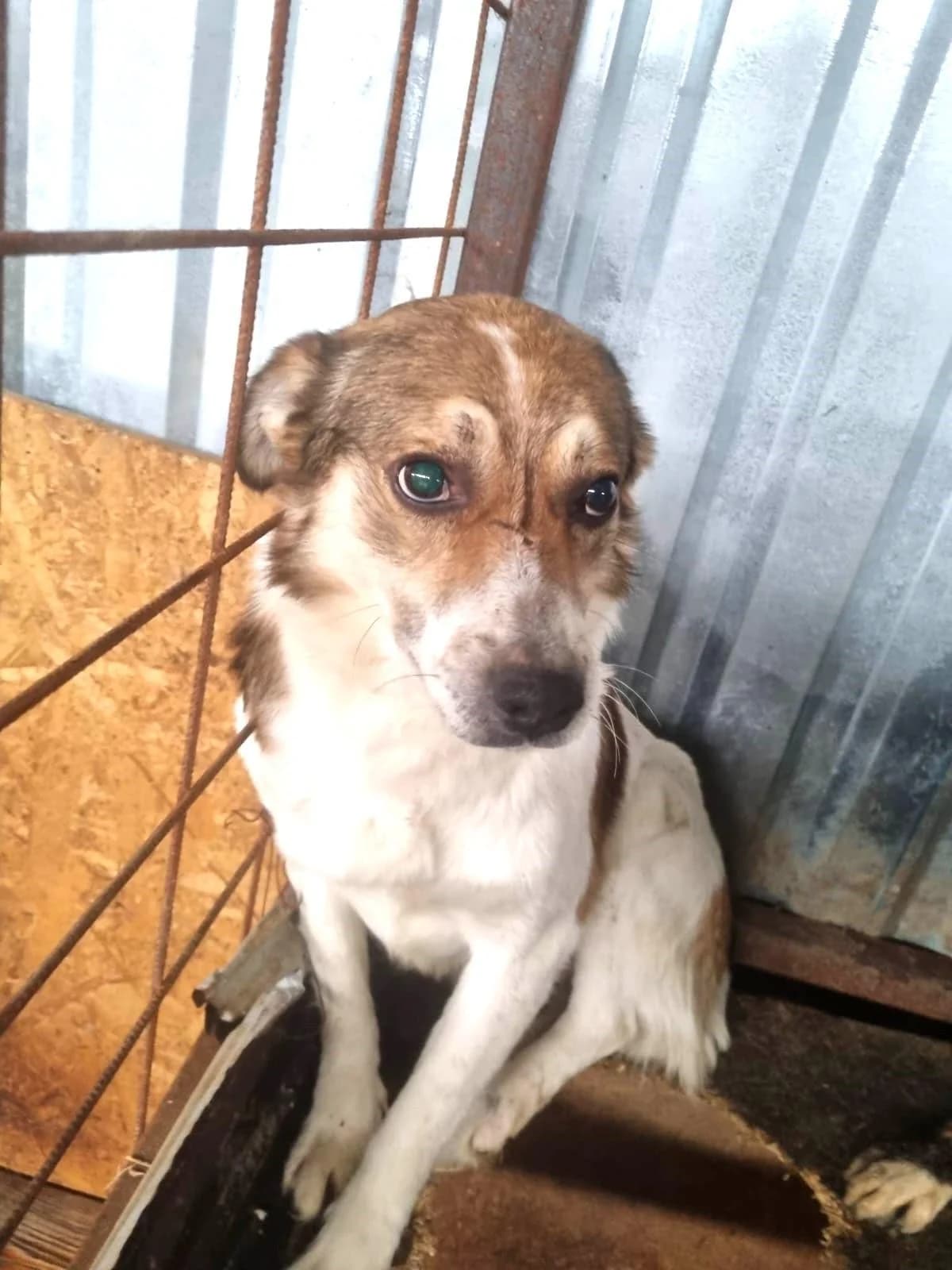
Kruisbried · Onbekend · Oud · 20 jaren
Vertaling volgt binnenkort.
Il 17 febbraio scorso, in occasione della Giornata Mondiale del Gatto, l’Associazione per la Difesa e l’Orientamento dei Consumatori (ADOC) ha diffuso un’indagine sui costi degli animali domestici presenti nelle famiglie italiane. L'indagine chiarisce alcuni aspetti del business che si cela dietro all'attenzione che l'economia sta dedicando ai proprietari di animali domestici, un'attenzione in grado di generare, solo per l'alimentazione di cani e gatti, oltre 12 miliardi di euro di giro d'affari all'anno. Più contenute rispetto ai dati ADOC sono, invece, le stime diffuse qualche settimana fa dall'Ufficio Studi della Camera di Commercio di Monza e Brianza, che ha appunto stimato che una famiglia italiana spenderebbe annualmente per un cane “solo” 795 Euro, in sostanza poco più di 2 euro al giorno ovvero 60 euro al mese. E' una cifra che, forse, può andar bene per un proprietario che acquista crocchette e umido al supermercato e magari neppure vaccina l'animale, ma che non è certo sufficiente per chi somministra al proprio cane alimenti di qualità o usa di integratori e fa regolarmente visitare il cane da un veterinario. L'esperienza diretta fa, dunque, propendere per una maggiore verosimiglianza dei dati ADOC. Secondo l'ADOC, occuparsi di un cane costa poco meno di 1.800 euro l’anno tra alimenti, accessori e spese mediche. La spesa è aumentata in media del 70% dall’introduzione dell’euro, circa il 5% ogni anno e, quindi, per un cane si spende in media, solo per gli alimenti, l' 86% in più rispetto al 2001, quando per mantenerne uno di media taglia bastavano circa 1.000 euro l’anno. E i randagi, quanto costano agli italiani? Secondo il V rapporto “Animali in città” di Legambiente, la spesa annuale per i cani senza padrone si attesterebbe intorno ai 248 milioni di euro (dieci in meno dell'anno scorso). Al di là delle illegalità che hanno interessato parecchi canili al Sud come al Centro-Nord, non c'è una grande differenza tra le aree del paese: in Campania, ad esempio, la spesa media per il mantenimento di un cane in canile è di circa 1.500-1.800 euro l’anno, ma anche in Lombardia le spese variano dai 2,5 a 6,5 euro al giorno, vale a dire tra i 900 e i 2.300 euro annui a seconda dei trattamenti a cui il cane viene sottoposto. E a Belluno? Se si eccettuano le spese sostenute dall'USL n.1 – che fa il proprio “dovere” gestendo il canile sanitario -, ai bellunesi i cani randagi non costano nulla! E già, perchè alle spese ci pensano i soci di APACA, con la loro generosità e sensibilità personali, mentre la quasi totalità dei comuni bellunesi -che, come tutti gli altri comuni italiani, sono ex lege i proprietari dei cani che vengono abbandonati sul loro territorio – non destinano neanche un euro al canile-rifugio e neppure alla prevenzione (anche solo culturale) del fenomeno. Eppure la legge italiana sarebbe chiarissima: i canili dovrebbero essere costruiti dai Comuni, mentre le associazioni dovrebbero apportare il valore aggiunto rappresentato dalla militanza in difesa e a garanzia degli animali. Invece, a Belluno, nell'indifferenza dei sindaci, APACA ricopre da oltre 20 anni entrambi i ruoli!
Gelist 4 maanden geleden