Adopter Spesso il cane ha una zampa preferita
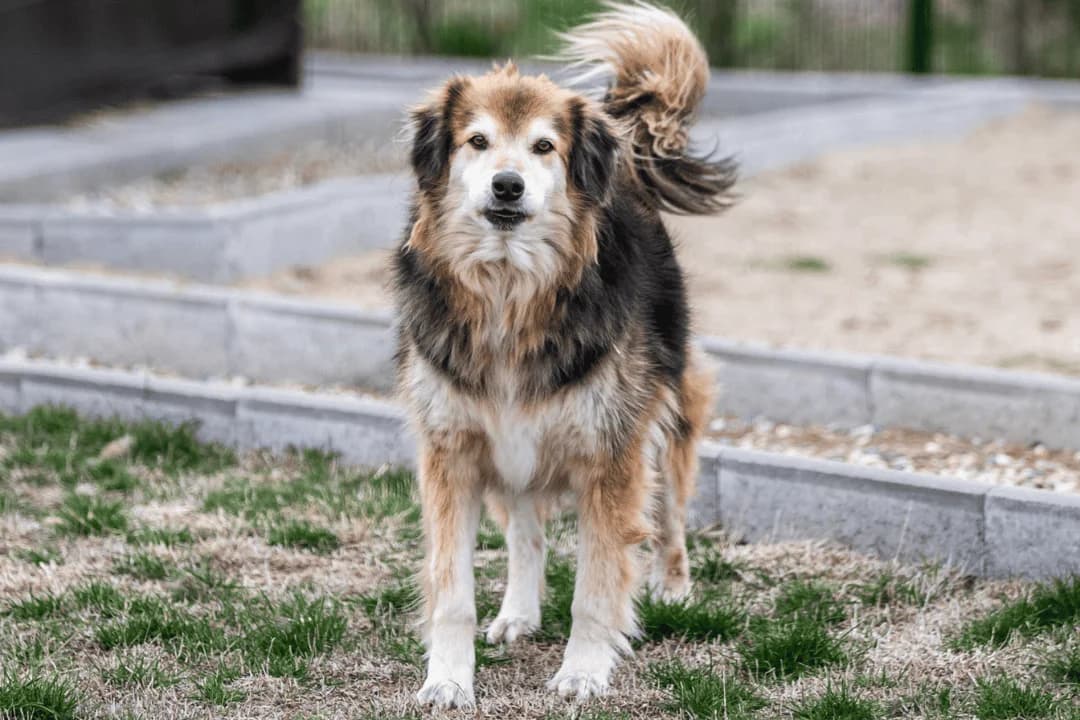
Krydsede raser · Ukendt · Ældre · 15 år
At være højre-, venstrehåndet eller ambidextre kan påvirke deres velvære. Højrehåndede mennesker udgør kun lidt under 90 % af befolkningen, mens cirka 10 % er venstrehåndede og kun 1 % er sandt ambidextre, hvilket betyder, at de viser ingen lateraldominans. I kunst og sport kan det at kunne bruge begge hænder (eller fødder, som i fodbold) være en fordel, men flere studier har også forbundet ambidextro med bestemte personligheds- og adfærdstræk: de ville faktisk være mere følelsesmæssigt påvirkede, mere sandsynligt at lide under læse- og skriveforstyrrelse og, sammen med venstrehåndede, oftere ramt af schizofreni. Er samme fænomen til stede hos hunde? Og måske med lignende konsekvenser? Et studie fra Lincoln University på et prøveafsnit på næsten 18.000 hunde bekræftede eksistensen af fænomenet og estimerede, at 74 % af hundene har en foretrukken klø, enten højre eller venstre, mens de resterende 26 % (meget mere end hos mennesker) er primært ambidextre, der bruger begge nedre kløer med samme niveau af evne, måske for at udføre forskellige opgaver. Blandt hunde med en foretrukken klø er kvinder mere sandsynligt højrehåndede (70,7 %), medens mænd er næsten jævnt fordelt mellem højrehåndede (56,1 %) og venstrehåndede. Ligesom hos mennesker fødes hunde venstrehåndede eller højrehåndede, og alt er betinget af hjernen og den side, der dominerer: dette fænomen kaldes "lateralisering", et ord, der bruges til at angive funktionel specialisering af de to hjernehalvdele, hver ansvarlig for forskellige kognitive funktioner og adskilte motivations- og beslutningsprocesser. Således har nogle undersøgelser udført over de sidste 15 år identificeret en specialisering i hundenes højre hjernehalvdel ved udtryk for intense følelser såsom frygt, flugtadfærd og aggression, med konsekvensen, at venstrehåndede hunde vil være mere kreative (ligesom menneskets venstrehåndede), men også mindre villige til at trænes, og sammen med ambidextre hunde mere benægtede for aggression. Ifølge denne linje af forskning vil venstrehåndede hunde også reagere med stærkere udtryk for frygt sammenlignet med højrehåndede hunde, da den højre hjernehalvdel af deres hjerne, der er ansvarlig for processing af følelser, vil dominere. Et efterfølgende skridt er repræsenteret af studier, der skal forstå, om motorisk asymmetri kan hjælpe med at bestemme en hunds velvære. Del af forskerne argumenterer for, at det ikke er muligt at trække definitive konklusioner endnu, men nogle af dem går videre og udtaler, at, ligesom hos mennesker, det nu anses som bevist, at den venstre side af hundenes hjerne - som kontrollerer den højre side af dets krop - er mere involveret i behandling af positive følelser, mens den højre side, som kontrolrer den venstre side af kroppen, er mere interessert i negative følelser (som frygt og angst). Således korrelerede et studie fra American Psychological Association en mere "pessimistisk" følelsesmæssig tilstand hos venstrehåndede hunde sammenlignet med højrehåndede og ambidextre hunde. Hvis dette blev bekræftet, ville det betyde, for eksempel, at det ville være anbefalet at overvåge venstrehåndede hunde mere nøje i en hundehave, da de måske vil vise mere følelsesmæssig stress end andre.
Læs original (it)
Essere destro, mancino o ambidestro potrebbe incidere sul suo benessere I destrimani umani sono poco meno del 90% del totale della popolazione, mentre circa il 10% è mancina e solo l'1% è davvero ambidestra, ossia non mostra alcuna dominanza laterale. Nelle arti e negli sports essere in grado di usare entrambe le mani (o i piedi, come nel calcio) può essere un vantaggio, ma parecchi studi hanno anche abbinato all'ambidestria alcuni aspetti caratteriali e comportamentali: sarebbero, infatti, più influenzabili dal punto di vista emotivo, incorrerebbero maggiormente in forme di dislessia e, insieme ai mancini, soffrirebbero più spesso di schizofrenia. E nei cani c'è lo stesso fenomeno? E magari con conseguenze simili? Una ricerca della Lincoln University su un campione di quasi 18.000 cani ha confermato l'esistenza del fenomeno e stimato che il 74% dei cani ha una zampa preferita, o la destra o la sinistra, mentre il restante 26% (quindi molto più della specie umana) è sostanzialmente ambidestro, ossia usa con la stessa abilità entrambe le zampe inferiori, magari per portare a termine compiti diversi. Tra i cani che hanno una zampa preferita, le femmine sono più facilmente destrorse (70,7%), mentre i maschi si dividono praticamente a metà tra destrorsi (56,1%) e mancini. Così come accade per gli umani, anche nei cani si nasce mancino o destrimane e tutto è condizionato dal cervello e dalla parte che predomina: è un fenomeno che si chiama “lateralizzazione”, termine con il quale si indica la specializzazione funzionale dei due emisferi del cervello, ciascuno dei quali raccoglie funzioni cognitive diverse e differenti processi motivazionali e decisionali. E' così che alcune ricerche condotte negli ultimi 15 anni hanno individuato, ad esempio, una specializzazione dell’emisfero destro del cervello del cane per quanto riguarda l’espressione di emozioni intense quali paura, comportamenti di fuga e aggressività, con la conseguenza che i cani mancini sarebbero sì più creativi (proprio come i mancini umani), ma anche meno disponibili all'addestramento e, insieme agli ambidestri, più inclini all'aggressività. Secondo questo filone di ricerca, i cani mancini reagirebbero, inoltre, con manifestazioni di paura più forti rispetto ai cani destrorsi, poichè nel loro cervello predominerebbe l’emisfero destro, quello preposto all'elaborazione delle emozioni. Uno step successivo è rappresentato dagli studi che si prefiggono di comprendere se l'asimmetria motoria permetta di capire anche lo stato di benessere del cane. Una parte dei ricercatori sostiene che non sia ancora possibile trarre conclusioni definitive, ma alcuni di loro si spingono, invece, ad affermare che, proprio come negli umani, sia da considerarsi ormai dimostrato che la parte sinistra del cervello del cane – che controlla la parte destra del suo corpo – è più coinvolta nell'elaborazione delle emozioni positive, mentre la parte destra, che controlla la parte sinistra del corpo, sia interessata di più dalle emozioni negative (ad esempio, paura e ansia). E' così che una ricerca dell'American Psychological Association ha correlato uno stato emotivo più “pessimista” nel cane mancino rispetto al destrimane e all'ambidestro. Se ciò fosse confermato, significherebbe, ad esempio, che in un canile sarebbe auspicabile un monitoraggio più attento dei cani mancini, che più degli altri potrebbero manifestare stress emotivi.
Listet for 5 måneder siden