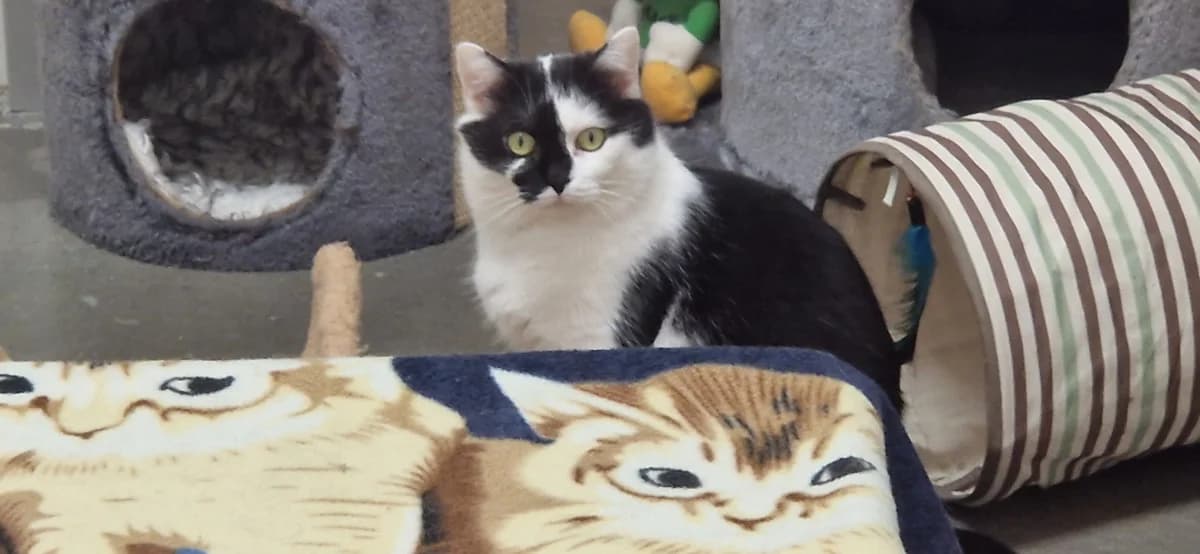
(K)ein Geheimnis – Die Nase der Katze
Mixed Breed · Female
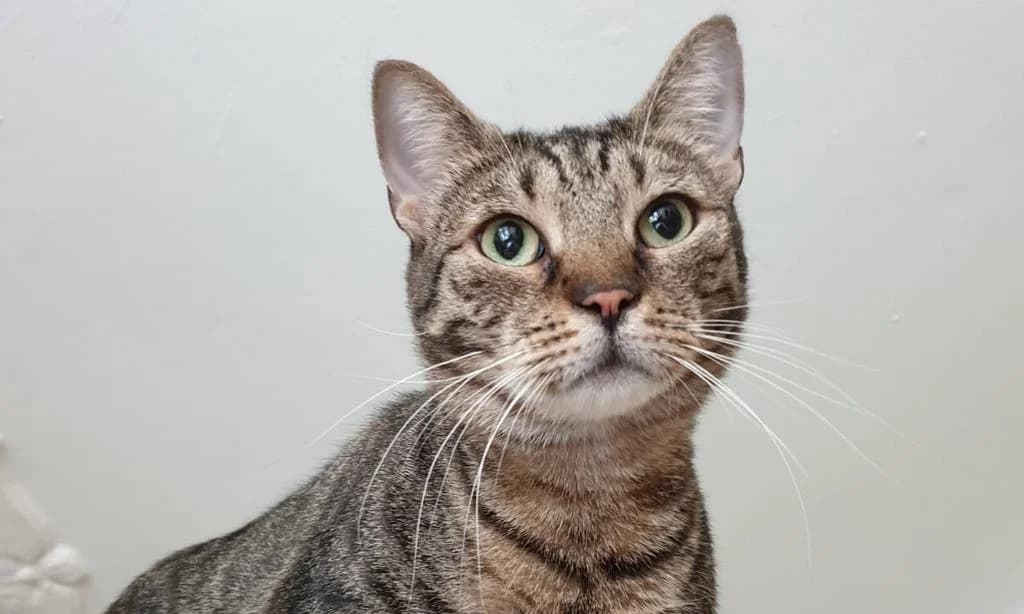
We often underestimate the importance of the sense of smell in our furred siblings. The nose is not only an important sensory organ with immense potential, but also a complex biological wonder. Unlike in dogs, however, the nose plays a rather subordinate role in the everyday life of cats: cats hunt by sight. Nevertheless – the nose is an important sense for the house cat: it analyzes scent messages from fellow animals, locates food sources – from the mother's teats to the open food bowl in the kitchen. The anatomical structure of a cat's nose varies according to the breed and size of the animal. Generally, a cat's nose consists of a nasal mirror, the nostril, the nasal sinuses, and the nasal passages. The nasal mirror is the outer part of the nose, extending from the forehead to the whiskers. The nostril is the primary breathing organ of the cat. The nasal sinuses, often underestimated because they are not visible externally, are located under the middle part of the nasal mirror. They are responsible for the sense of smell and contain specialized cells that can convert stimuli into chemical signals. This allows the cat to identify and follow scents. This ability helps the animal to identify potential dangers early and to be cautious of predators. It also helps them to track prey more easily and to orient themselves in their territory. And finally, it aids the animals in marking their territory with urine or saliva – by informing other cats that this place is already occupied. Cat versus Human A cat's nose has 65 million scent cells, while a human has only 5–20 million. Cats also have a large number of receptors that enhance their sense of smell. This allows them to detect and distinguish even the smallest concentrations of scents. A cat can smell up to 25 different substances in a mixture, while a human can only recognize 4–5. Also, their brain is differently structured compared to ours: the olfactory cortex – the part of the brain responsible for the sense of smell – is about twice as large in cats as in humans. This allows the cat to gather and process more information about the environment. "Nose Tapping" The tip of a cat's nose is very sensitive and is used as a means to gather and transmit information. When cats use their nose tips to touch the skin or fur of other animals, they can, for example, determine whether the animal is male or female, whether it is new to the group or not. This form of communication plays an important role in cooperation among each other as well as the use of touch and sight.
DE·Show original
Wir unterschätzen oft die Bedeutung des Geruchssinns bei unseren Samtpfoten. Die Nase ist nicht nur ein wichtiges Sinnesorgan, in welchem ein enormes Potenzial steckt, sondern auch ein komplexes biologisches Wunderwerk. Anders als bei Hunden spielt die Nase im Alltagsleben der Katze aber eine eher untergeordnete Rolle: Katzen jagen auf Sicht. Dennoch – die Nase ist ein wichtiger Sinn für die Hauskatze: Sie analysiert damit Duftbotschaften von Artgenossen, ortet Nahrungsquellen – die Zitzen der Mutter ebenso wie die geöffnete Futterdose in der Küche. Die anatomische Struktur der Katzennase variiert je nach Rasse und Größe des Tieres. Allgemein besteht die Nase einer Katze aus einem Nasenspiegel, dem Nasenloch, den Nasennebenhöhlen und den Nasengängen. Der Nasenspiegel ist der äußere Teil der Nase, der sich von der Stirn bis zu den Tasthaaren erstreckt. Das Nasenloch ist das primäre Atemorgan der Katze. Die Nasennebenhöhlen, oft unterschätzt, weil äußerlich nicht sichtbar, befinden sich unter dem mittleren Teil des Nasenspiegels. Sie sind für den Geruchssinn verantwortlich und enthalten spezialisierte Zellen, die Reize in chemische Signale umwandeln können. Dies ermöglicht es der Katze, Gerüche zu identifizieren und ihnen zu folgen. Diese Fähigkeit hilft dem Tier dabei, potenzielle Gefahren frühzeitig zu identifizieren und sich vor Räubern in Acht zu nehmen. Es hilft ihnen auch dabei, Beute leichter aufzuspüren und sich im Territorium orientieren zu können. Und schließlich hilft es den Tieren beim Markieren ihres Reviers mit Urin oder Speichel – indem sie anderen Katzen mitteilen, dass dieser Ort bereits besetzt ist. Katze versus Mensch Die Nase einer Katze besitzt 65 Millionen Geruchszellen, während der Mensch lediglich 5–20 Millionen besitzt. Katzen haben zudem eine große Anzahl von Rezeptoren, die den Geruchssinn steigern. Dies ermöglicht es ihnen, selbst kleinste Konzentrationen von Gerüchen wahrzunehmen und zu unterscheiden. Eine Katze kann bis zu 25 verschiedene Substanzen riechen, die in einer Mischung enthalten sind, während ein Mensch nur in der Lage sein kann, 4–5 zu erkennen. Auch ihr Gehirn ist anders als das des Menschen aufgebaut: Der olfaktorische Cortex – also der Teil des Gehirns, der für den Geruchssinn verantwortlich ist – ist bei Katzen etwa doppelt so groß wie bei uns Menschen. Dies ermöglicht es der Katze, mehr Informationen über die Umwelt aufzunehmen und zu verarbeiten. „Nasenstupsen“ Die Nasenspitze einer Katze ist sehr empfindlich und wird als Mittel genutzt, um Informationen aufzunehmen und an andere weiterzugeben. Wenn Katzen ihre Nasenspitzen benutzen, um die Haut oder das Fell anderer Tiere zu berühren, können sie beispielsweise herausfinden, ob das Tier männlich oder weiblich ist, ob es neu in der Gruppe ist oder nicht. Diese Art der Kommunikation spielt ebenso eine wichtige Rolle bei der Kooperation untereinander wie der Gebrauch des Tast – und Sehsinns. In diesem Sinne, dufte Grüße von Euren Samtpfoten
Listed 6 months ago