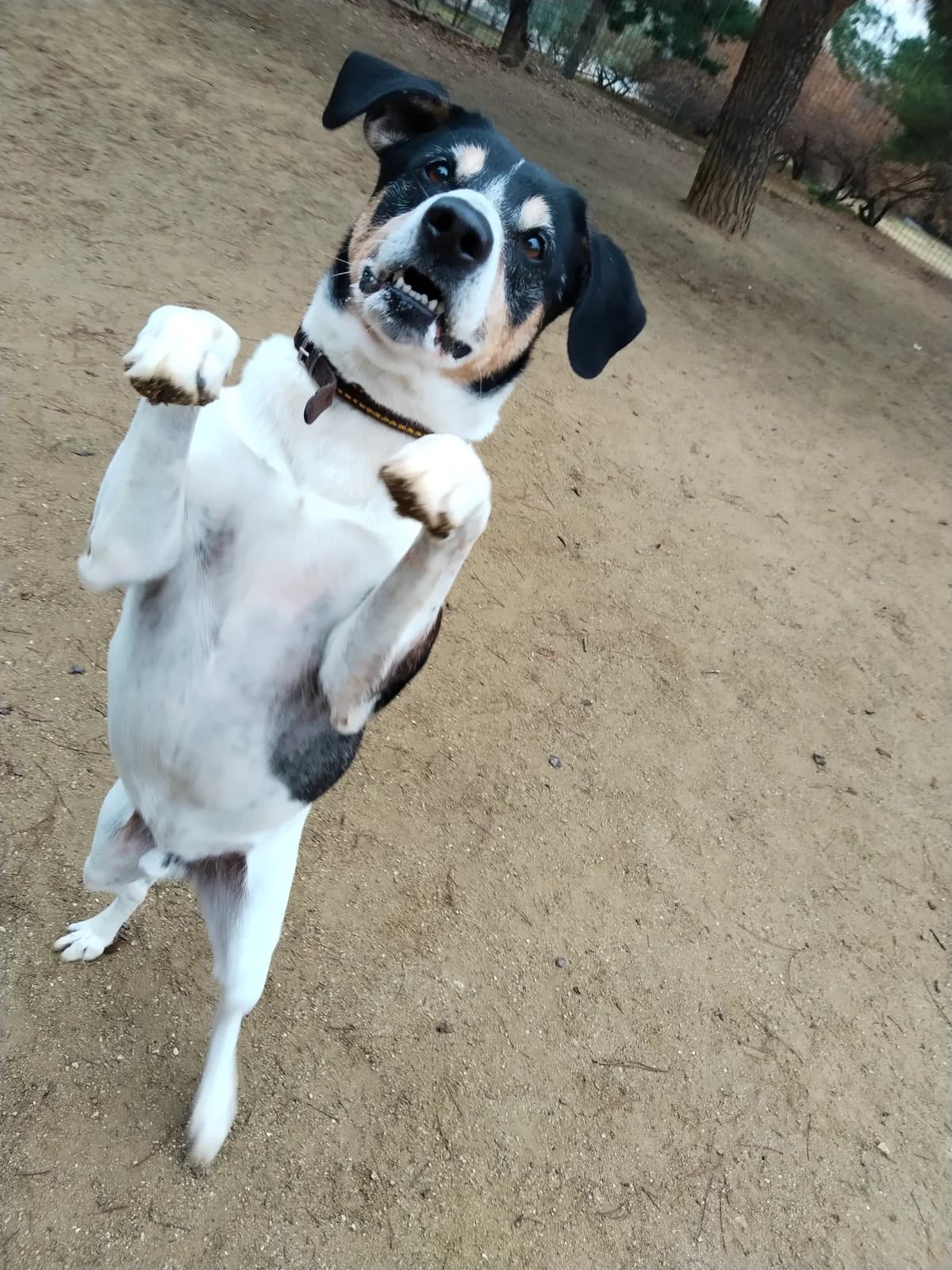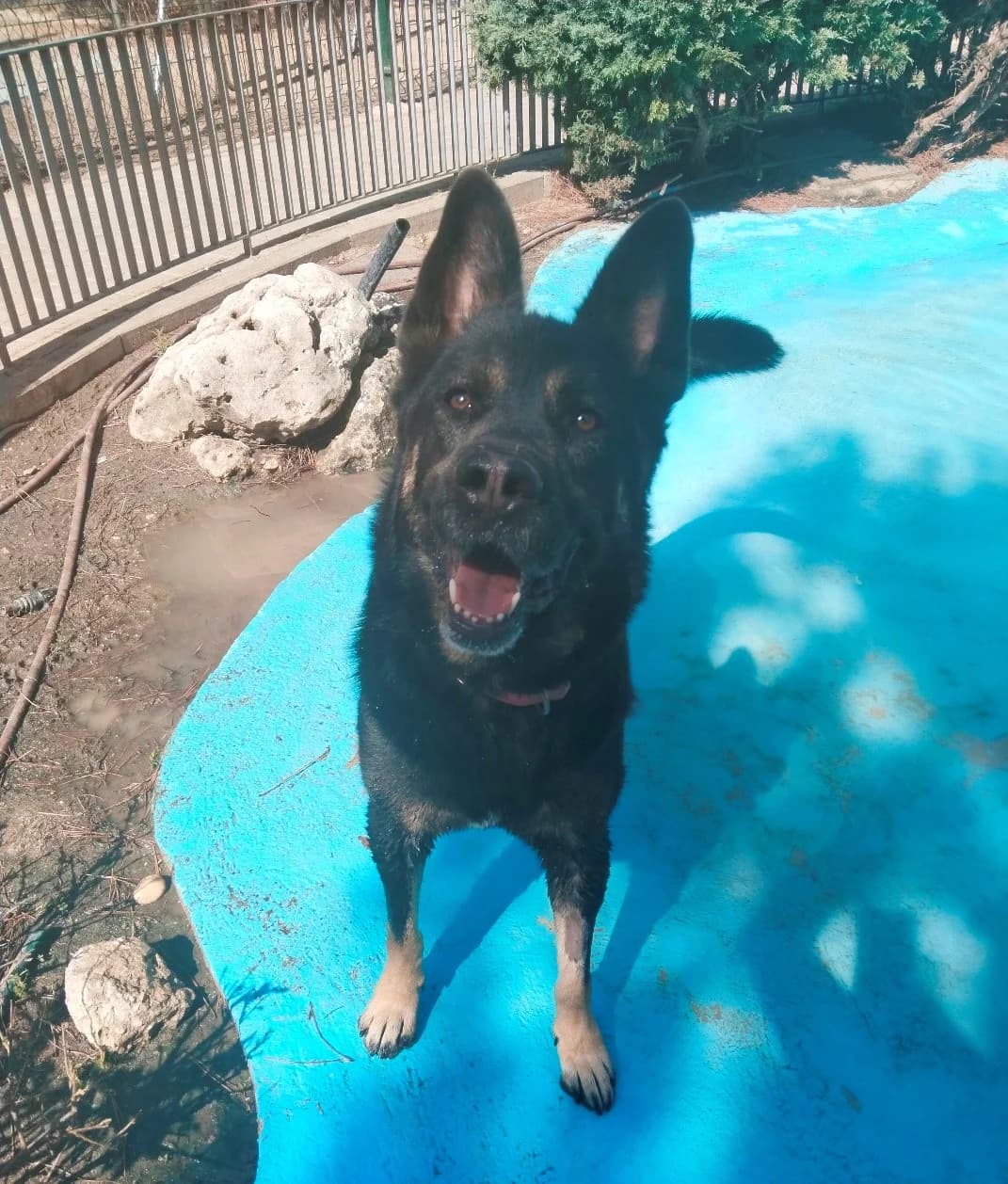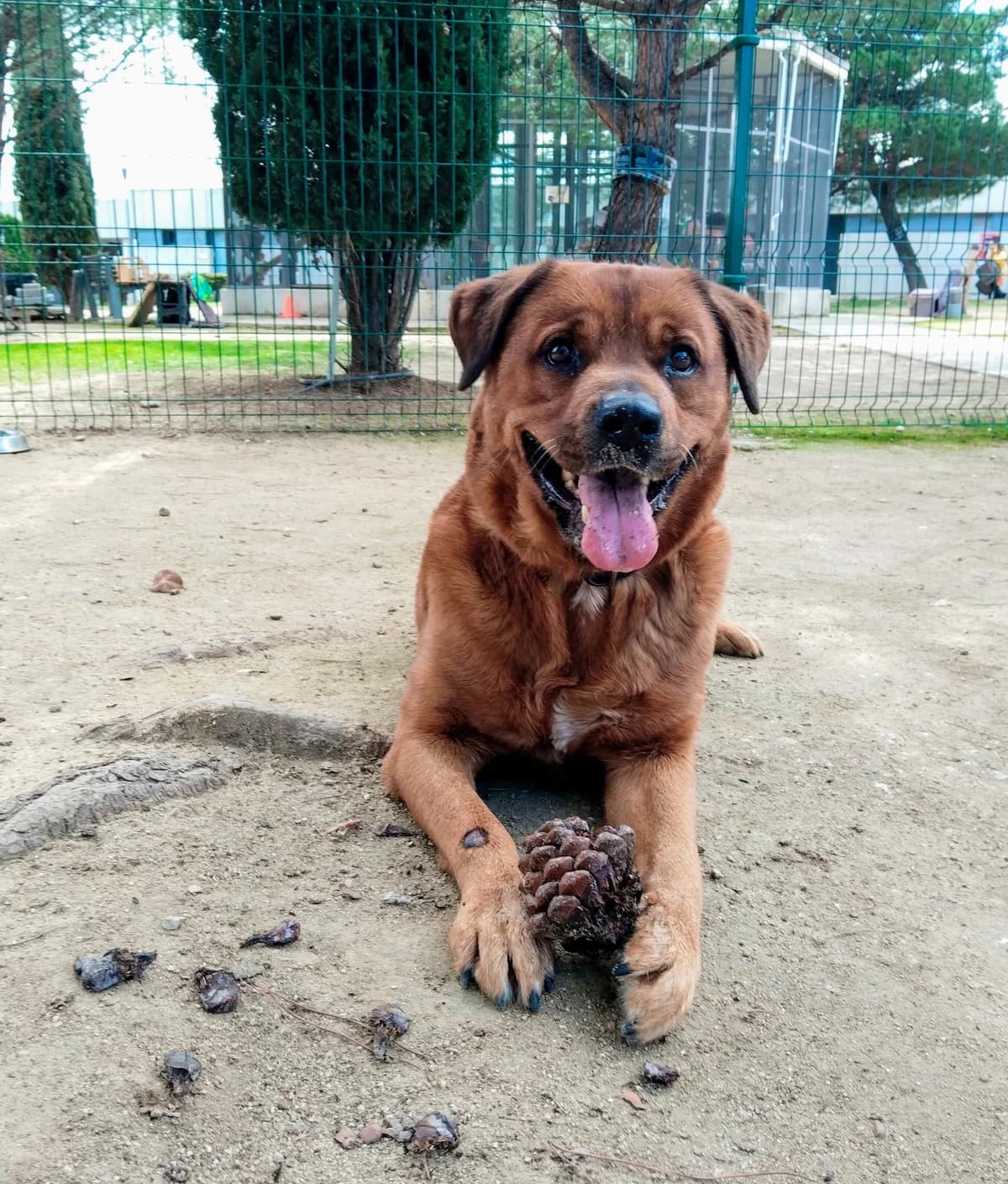
Adopt E’ lo show (canino), bellezza
Mixed Breed · Unknown
Among the many sports activities that can be done with a dog, there are those that particularly highlight the dog's athletic abilities. These include disc dog and dog dance, where the performances of dogs are shown to spectators and judged by referees during competitive events. The sporting aspect of disc dog involves participation in different trials, the most well known being mini distance - where the dog must catch as many discs as possible in sixty seconds - and freestyle - an acrobatic performance between the handler and their dog. Negative opinions about disc dog mainly concern the landings after high jumps performed by so-called flying dogs to catch the disc in the air, considered harmful to the joints. As disc dogger Matteo Gaddoni acknowledged in an interview, risks and injuries do exist in this activity, just as they do in other canine sports, and it is necessary to take them into account. Training should be gradual, monitoring the health of the dog, especially the skeletal system and the cardiovascular system. The competition environment should also be carefully evaluated: from the type of terrain to the characteristics of the disc, which if too hard or heavy can damage the teeth, or if thrown with too much force can hurt the muzzle. Disc dog instructors all agree that the dog must enjoy itself, following its instinctive urge to catch the disc in the air, thanks to proper management of exercises and careful attention to stress signals. The same obviously applies to dog dance, where the dog and handler perform choreographed movements, which are scored in competitions. In dog dance, the playful aspect is very visible, but the main criticism comes from the fact that the training the dog undergoes is aimed primarily at creating a spectacle for the audience. Overall, it is seen as a lighter discipline compared to others, but some criticize it by comparing it to the circus and highlighting the unnaturalness of some movements. Within these types of performances, one can also include the acts of acting dogs working in film and television, both for the "artistic" nature of the canine acting and for the long training that prepares them. As the famous dog trainer Massimo Perla states, behind the funny or heroic four-legged friends seen in films lies a great amount of learning and socialization work that enables the dog to interpret its role and adapt to the script's requirements and the set's atmosphere. Trainers and enthusiasts, for each of these activities, emphasize how happy the dog is to work, move, run, jump, and make the instructor happy, and it is precisely here that human intervention proves essential: the dog would throw itself into fire for its owner, and it is up to the person to safeguard the dog's wellbeing, know its skills and limitations, be able to read its behavior and understand when it's time to stop. So that its furry, whether athlete or not, continues to be enthusiastic about sharing life, and the stage, together with him.
Read original (it)
Tra le tante attività sportive che si possono svolgere assieme a un cane esistono quelle che sottolineano maggiormente la spettacolarità delle sue capacità atletiche. Sono i casi, per esempio, del disc dog e della dog dance , dove le evoluzioni di cui sono capaci i cani vengono mostrate agli spettatori e valutate da giudici durante vere e proprie gare agonistiche. L’aspetto sportivo del disc dog prevede la partecipazione a prove diverse, le più conosciute sono la mini distance – il cane deve afferrare il maggior numero di dischi lanciati in sessanta secondi – e il freestyle – un’esibizione acrobatica fra il conduttore e il suo cane. Le opinioni negative sul disc dog riguardano soprattutto gli atterraggi dopo salti altissimi che i cosiddetti flying dogs compiono per acchiappare il disco in aria, ritenuti dannosi per le articolazioni. Come ha riconosciuto in un’intervista il disc dogger Matteo Gaddoni, rischi e infortuni in questa attività esistono, così come in altri sport cinofili, ed è necessario tenerne conto. L’allenamento deve essere fatto per gradi, controllando lo stato di salute del proprio cane, in particolare l’apparato scheletrico e il sistema cardiorespiratorio. Anche l’ambiente della gara deve essere valutato con attenzione: dalla tipologia del terreno alle caratteristiche del disco il quale, se troppo duro o pesante può rovinare la dentatura, se lanciato con troppa forza può ferire il muso. Gli istruttori di disc dog sono tutti d’accordo sul fatto che il cane debba divertirsi seguendo l’istinto predatorio che lo invita a prendere il disco al volo, grazie a una gestione corretta e mai estrema degli esercizi e a una lettura attenta dei segnali di stress. Lo stesso vale ovviamente anche per la dog dance , dove cane e conduttore eseguono dei movimenti coreografici ai quali, nelle competizioni, viene assegnato un punteggio. Anche nella dog dance l’aspetto giocoso è molto visibile ma le critiche maggiori provengono dal fatto che l’addestramento cui viene sottoposto il cane sia finalizzato a realizzare soprattutto uno spettacolo per il pubblico. La visione generale la considera una disciplina più leggera rispetto ad altre, ma c’è chi l'accusa paragonandola al circo e sottolineando l’innaturalità di alcuni movimenti. Nell’ambito di performance di questo tipo si possono annoverare anche quelle dei cani attori che lavorano per il cinema e per la televisione, sia per il carattere “artistico” della recitazione canina sia per il lungo addestramento che la prepara. Come afferma il famoso dog trainer Massimo Perla, dietro ai buffi o eroici quattrozampe che si vedono nei film c’è un grande lavoro di apprendimento e socializzazione che permettono al cane di interpretare il suo ruolo e di adeguarsi alle esigenze del copione e al clima del set. Gli addestratori e gli appassionati, per ognuna di queste attività, sottolineano quanto il cane sia felice di lavorare, di muoversi, correre, saltare e di fare contento l’istruttore, ed è proprio qui che l’intervento umano risulta fondamentale: il cane si getterebbe nel fuoco per il suo padrone e sta quindi all’uomo salvaguardare il suo benessere, conoscere le sue doti e i suoi limiti, saper leggere il suo comportamento e capire quando è ora di fermarsi. Affinché il suo peloso, atleta o meno che sia, continui a essere entusiasta di condividere la vita, e la scena, insieme a lui.
Free account — 10 contacts included
Listed 1 month ago