Vacciner un chat pour le protéger
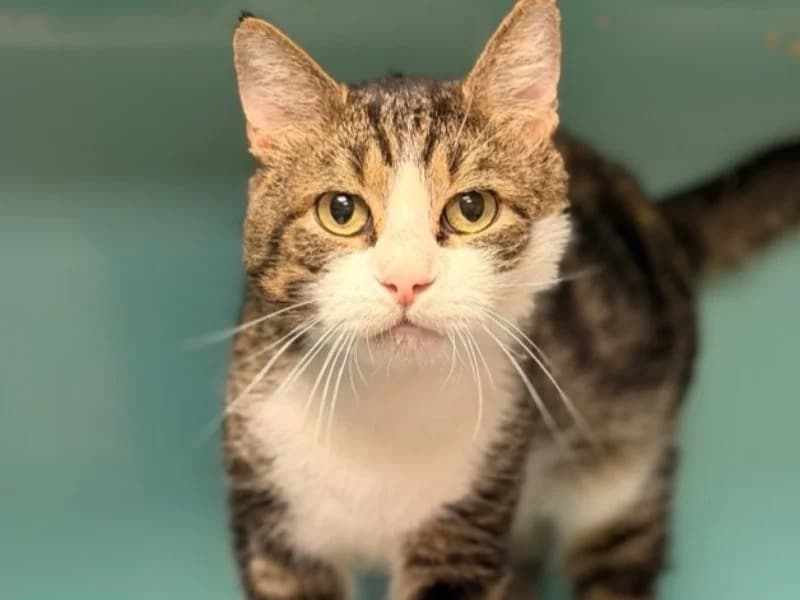
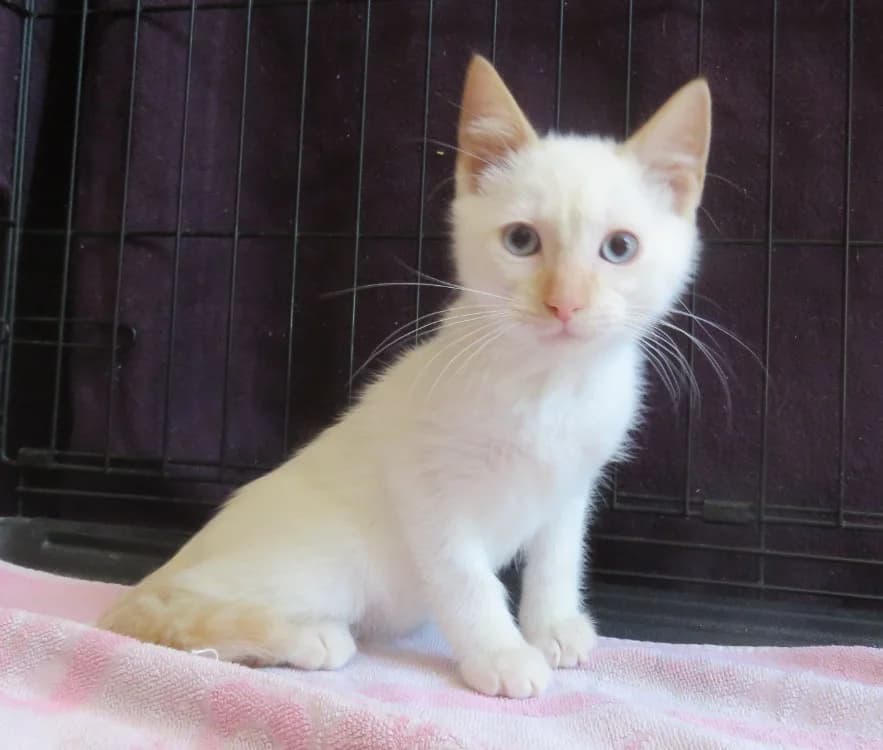
Mixed Breed · Unknown · Kitten · 4 months
The first vaccines should be given around 8 weeks of age on healthy kittens who have been dewormed a few days before. The first injection, called "primary vaccination," must be repeated one month later. After that, an annual injection is sufficient as long as it is done regularly. The veterinarian will check that your cat is in good health and may ask you questions about its diet, digestion, and habits to make sure everything is fine for its patient. He will listen to its heart and breathing, take its temperature to rule out any potential problem. Although the vaccine itself is not dangerous or harmful for our feline friends, it can weaken a cat, especially a kitten that is in poor health. Common vaccines protect against: Typhus, a contagious virus causing severe diarrhea, vomiting, blood in stools, and a strong, persistent odor that marks all owners who have experienced an episode of typhus (note that these symptoms are not always visible, especially in adult cats that are more resistant). A painful, swollen trachea prevents the animal from drinking and eating despite thirst and hunger; the cat may remain prostrate in front of its bowl. As this virus is very resistant in the outside environment, vaccination is the only guarantee of protection. 90% of kittens infected with typhus die, and those that survive often have serious neurological complications. Even though the mortality rate is lower for adults, typhus remains a fatal disease without any antidote. Cat flu is not just a common cold! It manifests through sneezing, conjunctivitis, and sometimes coughing (these symptoms should alert you); cat flu can lead to ulcers in the mouth, respiratory and eye complications. In extreme cases, this disease can be fatal; in all cases, the cat becomes a carrier and can infect other unvaccinated cats of the same species. Hence the importance of vaccinating cats before they come into contact with others. This very common disease affects both young and adult cats. The viruses responsible for cat flu are the herpes virus and the calicivirus. The pus in the sinuses erodes the tissues, which is irreversible even when the cat recovers. This disease can take a chronic form and require lifelong care. Feline leukemia is caused by a retrovirus, FeLV (an English abbreviation). It is a widespread disease that does not transmit to humans but is contagious between cats. It causes the appearance of tumors and an immunosuppression that gradually develops. FIV, which is similar to FeLV, is also not transmissible to humans. FIV is commonly known as "feline AIDS." There is currently no vaccine against FIV. Transmission mainly occurs during sexual contact. This is why spaying/neutering is a good protection against this disease. There are simple tests that can be performed to determine if a cat is a carrier (tests we perform before offering our cats for adoption). Cats that are carriers of FIV and/or FeLV are called "positive" (or FIV + / FeLV +). They can live many years without showing the disease, or even die from something else, but it is important to know whether the cat is a carrier or not. Chlamydiosis is not a virus but a contagious bacterium that causes conjunctivitis that can progress to pneumonia. It can lead to the death of the animal if not treated. In infested departments or when traveling, vaccination against rabies is mandatory, among other reasons, because it can be transmitted to humans. There is no cure or antidote. The infected animal shows neurological disorders that inevitably progress to death. The departments that are free of rabies are so only due to systematic vaccination over the years. If the anti-rabies vaccination is not respected in countries or departments infested with rabies and if a contact is suspected (for example, between your pet and a fox), your pet may be euthanized without further procedure! The booster should be done once a year. Do not neglect this opportunity to meet your veterinarian and discuss the health of your cat and continue to vaccinate it, especially if it is old. Even if it does not go out much, an older cat experiences a significant drop in its immune defenses and therefore needs all its weapons to fight against viruses and bacteria.
FR·Show original
Les premiers vaccins sont à réaliser vers l’âge de 8 semaines sur des chatons en bonne santé et vermifugés quelques jours avant. La première injection appelée « primo vaccination » doit être répétée un mois plus tard. Ensuite une injection par an est suffisante à condition de le faire régulièrement. Le vétérinaire vérifiera que votre chat est en bonne santé et sera amené à vous poser des questions sur son alimentation, sa digestion, ses habitudes pour s’assurer que tout va bien pour son petit patient. Il écoutera son coeur et sa respiration, prendra sa température pour écarter un éventuel problème. Si le vaccin en lui même n’est pas dangereux ni nocif pour nos boules de poils, ils peuvent affaiblir un chat et plus encore un chaton qui serait de santé précaire. Les vaccins habituels protègent contre : Le typhus un virus contagieux se traduisant par une forte diarrhée, des vomissements, du sang dans les selles, une odeur âcre et tenace qui marque tous les propriétaires ayant eu à vivre un épisode de typhus (attention, ces symptômes ne sont pas toujours visibles surtout chez les chats adultes plus résistants). La trachée douloureuse et gonflée empêche l’animal de boire et de manger malgré la soif et la faim, le chat reste parfois prostré devant sa gamelle. Ce virus étant très résistant en milieu extérieur la vaccination est la seule garantie de protection. 90% des chatons atteints par le typhus en meurent et le peu qui survivent présentent des séquelles neurologiques importantes. Et si pour les adultes on constate un moindre pourcentage de mortalité, le typhus reste une maladie mortelle qui n’a pas d’antidote. Le coryza n’est pas un simple rhume ! Se traduisant par des éternuements, une conjonctivite et parfois une toux (ces symptômes doivent vous alerter), le coryza peut entraîner des ulcères dans la bouche, des séquelles respiratoires et occulaires. Dans les cas extrêmes cette maladie peut être mortelle, dans tous les cas le chat reste porteur et peut contaminer ses congénères non vaccinés. D’où l’importance de vacciner les chats avant qu’ils ne soient en contact avec d’autres. Cette maladie très fréquente touche aussi bien les très jeunes chats que les adultes. Les virus responsables du coryza sont l’herpès virus et le calicivirus. Le pus contenu dans les sinus ronge les tissus, ce qui est irréversible même lorsque le chat est guéri. Cette maladie peut prendre une forme chronique et entraîner des soins contraignants à vie. La leucose féline est due à un rétro virus, le FelV (abréviation anglo – saxone). C’est une maladie répandue qui ne se transmet pas à l’homme mais qui est contagieuse pour les chats entre eux. Se traduisant par l’apparition de tumeurs et une immunodépréssion qui va s’installer peu a peu. Le FiV assez proche du FelV n’est pas non plus transmissible à l’homme. Le FiV est communément appelé le sida du chat. Il n’existe actuellement pas de vaccin contre le FiV. La transmission se fait essentiellement lors des rapports sexuels. C’est pourquoi la stérilisation est une bonne protection contre cette maladie. Il existe des tests simples à réaliser pour savoir si le chat est porteur (tests que nous réalisons avant de proposer nos chats à l’adoption ). Les chats porteurs du Fiv et/ou du FelV sont dit « positifs » (ou FiV + / FelV +). Ils peuvent vivre de nombreuses années sans déclarer la maladie, voire mourir de tout autre chose, mais il est important de savoir si le chat est porteur ou non. La chlamydiose n’est pas un virus mais une bactérie contagieuse qui occasionne une conjonctivite pouvant aller jusqu’à une pneumonie. Elle peut conduire à la mort de l’animal si celui-ci n’est pas soigné. Dans les départements infestés ou lors de tout voyage, la vaccination contre la rage est obligatoire entre autre parce que pouvant se transmettre à l’homme. Il n’existe aucun remède ou antidote. L’animal infecté montre des troubles neurologiques qui évoluent irrémédiablement vers la mort. Les départements indèmnes ne le sont que grâce à la vaccination systématique depuis des années. En cas de non respect de la vaccination anti-rabique dans les pays et départements infestés par la rage et si un contact est suspecté (entre votre animal et un renard par exemple), votre animal risque l’euthanasie sans autre forme de procès ! Le rappel doit se faire une fois par an. Ne négligez pas cette occasion de rencontrer votre vétérinaire et de voir avec lui l’évolution de la santé de votre chat et continuez à le faire vacciner surtout s’il est âgé et, même s’il sort peu, un chat âgé voit ses défenses immunitaires baisser considérablement, il a donc besoin de toutes ses armes pour lutter contre les virus et bactéries.
- ✓Vaccinated
Listed 5 months ago