Adoptujte Anche in canile “vocine” e cantilene vanno per la maggiore. Ma ai cani piacciono
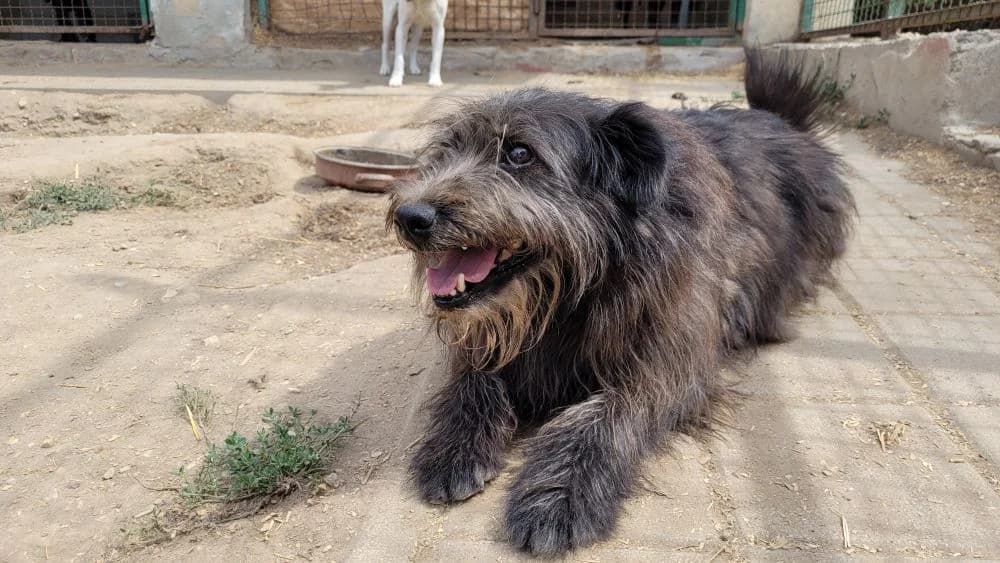
Kříženec · Neznámo · Starý · 16 roky
Studie francouzské univerzity Lyon Saint Étienne, publikovaná Královskou společností, nezávislou akademií pro podporu vědy, ukázala, že štěňata – nikoli však dospělí psi – jsou velmi pozorná, když se k nim obracíme více či méně vysokým hlasem a jednoduchými mručivými frázemi. Třiceti ženám bylo navráceno, aby nahrály laskavé fráze, nejprve při pohledu na fotografie štěňat, dospělých psů a starších psů, a pak přímo k výzkumníkům: porovnáním obou kontextů se ukázalo, že ženy používaly vyšší a mručivý tón hlasu při mluvení k psům bez ohledu na jejich věk, a že při mluvení ke štěňatům se tón hlasu ještě více zvýšil a stál o celých 21 % nad normálním. Nahrávky pak byly přehrány hostům psího útulku, deseti štěňatům a deseti dospělým jedincům. Devět štěňat reagovalo na tyto zprávy s velkým nadšením a přistupovalo k mluvčím v hravé póze. Dospělí a starší psi naopak zůstali lhostejní. Studie naznačuje, že v praxi se nám psi zdají jako neverbální společníci, což má za následek, že upravujeme svou hlasovou komunikaci stejně, jako to děláme při hovoru s malými dětmi: tento postup se používá i v jiných kontextech, kdy mluvčí cítí, vědomě či nevědomě, že posluchač nedokáže plně ovládat jazyk nebo má potíže s pochopením toho, co se říká – situace, které se často vyskytují například při interakcích se seniory nebo při hovoru s cizincem. Absence podobné reakce u starších psů, jaká byla u štěňat, byla však poměrně nečekaná: ve skutečnosti by ta lhostejnost k „vysokým“ zvukům mohla být spojena s obecným sníženým sklony dospělých psů odpovídat na hravé signály přicházející od lidí. Zejména v nepřítomnosti jiných komunikačních indikátorů (například gest) se zdá, že dospělí psi rychle přizpůsobují své chování výrazům jazyka cizích osob (méně, pokud jde o rodinné příslušníky) a tak rychle ztrácejí zájem o jejich hlasové výzvy. Z našeho privilegovaného pozorovacího stanoviště můžeme rozhodně potvrdit, že vysoké procento dobrovolníků se chová přesně stejně jako těch 30 žen ze studie: tón hlasu je téměř vždy podobný tomu, jaký používají s dětmi, a je jedno, jestli je pes ve věku 2 nebo 16 let: hovořit tímto způsobem je pro mnohé z našich dobrovolníků stejně povinností jako radostí!
Přečíst původní (it)
Uno studio dell'università francese Lione a Saint Étienne, pubblicato da The Royal Society, accademia indipendente di promozione scientifica, ha dimostrato che i cuccioli di cane – ma non gli adulti – sono molto attenti quando ci rivolgiamo a loro con vocalizzi più o meno acuti e frasi semplici canterellate. A 30 donne è stato chiesto di registrare frasi affettuose, prima guardando foto di cani cuccioli, adulti e anziani e poi rivolgendosi direttamente ai ricercatori: confrontando i due contesti, si è visto che le donne usavano un tono più acuto e cantilenante quando si rivolgevano ai cani, indipendentemente dalla loro età e che, nel parlare ai cuccioli, il tono di voce si faceva ancora più stridulo e acuto di ben il 21% rispetto alla norma. Le registrazioni sono state poi fatte ascoltare agli ospiti di un canile, 10 cuccioli e 10 esemplari adulti. Nove cuccioli hanno reagito ai messaggi con grande entusiasmo, avvicinandosi agli altoparlanti in posa da gioco. I cani adulti e anziani sono rimasti, invece, indifferenti. Lo studio suggerisce, in pratica, che i cani ci appaiono come compagni non verbali, con la conseguenza che modifichiamo la nostra comunicazione vocale esattamente come facciamo quando parliamo ai bambini piccoli: è una strategia che viene impiegata anche in altri contesti in cui l'oratore sente, consciamente o inconsciamente, che l'ascoltatore non può dominare completamente la lingua o ha difficoltà di capire quanto sta dicendo, situazioni che capitano spesso, ad esempio, durante le interazioni con gli anziani, o quando si parla con uno straniero. L'assenza nei cani anziani di una reazione simile a quella dei cuccioli è stata, invece, piuttosto inaspettata: in realtà, questa indifferenza alle “vocine” potrebbe essere collegata ad una ridotta propensione generale dei cani adulti di rispondere ai segnali giocosi che provengono dagli esseri umani. In particolare, in assenza di altri spunti di comunicazione (ad esempio i segnali gestuali), i cani adulti sembrano abituarsi rapidamente alle espressioni del linguaggio da parte di persone sconosciute (meno se si tratta di familiari) e quindi diventano rapidamente indifferenti alle loro sollecitazioni vocali. Dal nostro osservatorio privilegiato, possiamo senz'altro confermare che un'altissima percentuale delle volontarie si comporta esattamente come le 30 donne dell'esperimento: il tono di voce è quasi sempre simile a quello che usano con i bambini e poco importa se il cane ha 2 o 16 anni: vocalizzare così, per molte delle nostre volontarie, è un dovere, oltre che un piacere!
Zobrazeno před 4 měsíci