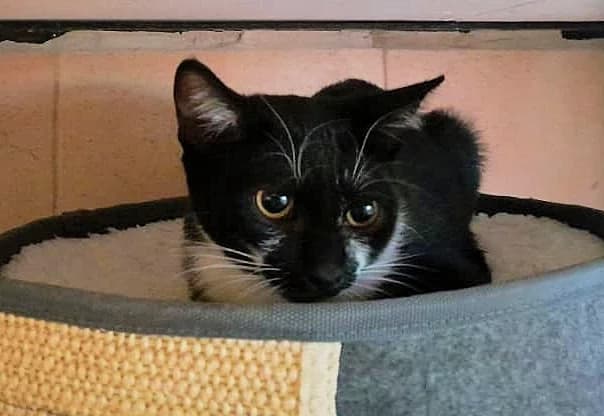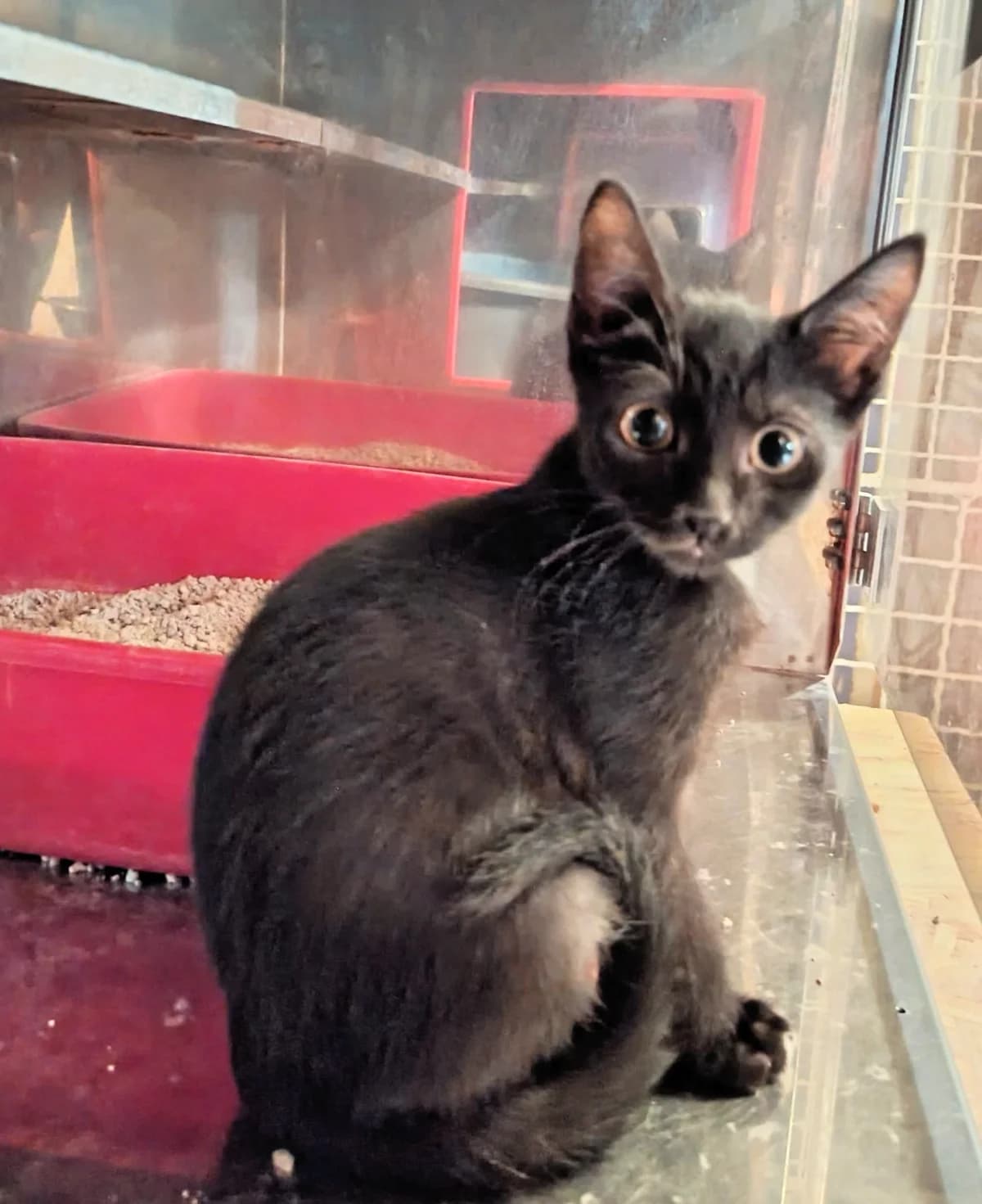
Adoptuj E’ arrivata Ariel, un altro cane del sud
Mieszaniec · Nieznane · Seniory · 11 lata
W niedzielę, nowy gość przyszedł do schroniska dla zwierząt: Ariel, pies mieszkany w wieku trzech lat, w doskonałym zdrowiu, ale nagle stając się obarczeniem. Para, która ją zostawiła, jest młoda, ale gdy wzięli Ariele ze schroniska dla psów w Basilicata, dziewczyna nie miała jeszcze dwudziestu lat i miała plan życia, który w tamtym momencie obejmował posiadanie psa. Nie wiadomo, co zostało powiedziane tej bardzo młodej parze o zaangażowaniu i odpowiedzialności wynikających z przyjęcia psa: faktem pozostaje, że "normalny" wydarzenie takie jak przeniesienie było wystarczające, by wyrzucić małego psa, który miał być na zawsze towarzyszem podróży. Dokumenty towarzyszące psy dowodzą, że gdy Ariel przyjechała do Belluno, była jeszcze niepełnoletnia, urodzona 25 kwietnia 2015 roku i dana młodym ludziom 18 lipca. Mimo swojego małego wzrostu Ariel była już szczeniakiem zarejestrowanym przez miasto, cierpiącym na koccydiozę i gardiazy, co potwierdziło miejscowe służby weterynaryjne sanepidu 5 czerwca: nic niezwykłego dla szczeniaka z południa, chyba że diagnoza została potwierdzona również 4 lipca, czyli po miesiącu możliwego niekompletnego leczenia i czternaście dni przed transferem do Wenecji. Czy Ariel została wyleczona, gdy została przyjęta? Jak przebiegła podróż, która w wieku zaledwie trzech miesięcy przyniosła ją do Belluno? Kto przeprowadził wizytę w domu przed adopcją? Kto wyjaśnił młodym ludziom, co znaczy "przyjąć psa"? A kto zapewnił, że to mały pies, jak prosił adoptant, który zamiast tego zdecydował się rosnąć prawie do dużego rozmiaru? Nie możemy już dłużej tolerować tego "przewozu psów" z południa. Już wspominaliśmy o dobrej woli wielu ochotników (zarówno na południu, jak i na północy), ale także o uprzedzeniu wielu samozwanich kochanków zwierząt (zarówno na północy, jak i na południu), którzy umieszczają i wciąż umieszczają egzemplarze tylko dla narcyzystycznego poczucia spełnienia z pomocą zdjęć i postów w mediach społecznościowych. Co z dramatycznym tonem i opowieściami - często fałszywymi - używanymi do "rozpoczęcia" zwierzęcia online, bezmyślnie grając na emocjach ludzi? I co z pieniędzmi (małymi lub dużymi) żadanymi na stacjach benzynowych, gdzie psy są przekazywane? I młodzi "dobermany" umieszczani w rodzinach z noworodkami? I "Schnauzery", którzy – z jakiegoś powodu – są zbyt żywe? I szczeniaki (podobne do Ariele) gwarantowane jako małe, które kończą się zbyt duże dla mieszkania? Lub egzemplarze znieczulone w czasie podróży, które okazują się niemożliwe do zarządzania? Nawet w schronisku dla psów APACA znajdują się takie psy, które zostały przyprowadzone na północ przez mieszkańców Belluno, którzy zastawiliby się na zwierzęta i ich współobywateli, jeśli zajęliby się czym innym! Przychodzi czas, by państwo i regiony – które nigdy nie interweniowały, by zatrzymać albo przynajmniej regulować migrację z południowych schronisk – zakończyły sytuację, która nie godzi się z cywilizowanym krajem.
Czytaj oryginał (it)
Domenica scorsa è arrivata in rifugio una nuova ospite: si tratta di Ariel, una meticcia di tre anni, in piena salute ma diventata improvvisamente ingombrante. La coppia che l'ha lasciata è giovane, ma quando ha preso Ariel da un canile della Basilicata la ragazza non aveva neanche vent'anni e un progetto di vita che, in quel momento, includeva la presenza di un cane. Non è dato sapere quanto sia stato detto a questa giovanissima coppia dell'impegno e della responsabilità a cui andava in contro adottando un cane: sta di fatto che un evento “normale” come un trasferimento è bastato per scaricare una cagnotta che avrebbe dovuto essere, per sempre, una compagna di viaggio. I documenti che accompagnano il cane provano che quando Ariel è arrivata a Belluno non aveva neanche tre mesi, essendo nata il 25 aprile 2015 e ceduta ai ragazzi il 18 luglio. Pur così piccola, Ariel era già una randagia intestata al comune, affetta da coccidiosi e giardiasi, come attestato dal servizio veterinario dell'Azienda sanitaria locale il 5 giugno: niente di strano per un randagio del sud, se non fosse che la diagnosi è stata confermata anche il 4 luglio, vale a dire dopo un mese di cure forse non fatte e quattordici giorni prima del trasferimento in Veneto. Era guarita Ariel quando è stata data in adozione? Come è stato il viaggio che, a soli tre mesi, l'ha portata a Belluno? E chi ha fatto (o non fatto) la visita di preaffido? Chi ha spiegato ai ragazzi cosa voleva dire “prendere un cane”? E chi ha assicurato che si trattava di un cane di piccola taglia, proprio come aveva chiesto l'adottante e che, invece, ha deciso di crescere quasi fino alla taglia grande? Non se ne può veramente più di questo “traffico di cani” dal sud. Abbiamo già detto della buonafede di tanti volontari (sia al sud che al nord), ma anche del protagonismo di altrettanti sedicenti amanti degli animali (sia al nord, che al sud), che hanno piazzato e continuano a piazzare esemplari per il narcisistico piacere di gratificarsi con foto e post sui social. E che dire dei toni drammatici e delle storie – spesso false- usati per “lanciare” l'animale in rete, giocando in modo irresponsabile con i sentimenti delle persone? E dei soldi (pochi o tanti che siano) chiesti nelle stazioni di servizio dell'autostrada, dove i cani vengono consegnati? E dei giovani “doberman” inseriti in famiglie con neonati? E degli “schnauzer” che – chissà come mai! – sono troppo vivaci? E dei cuccioli (proprio come Ariel) garantiti di taglia piccola che invece diventano troppo grandi per un appartamento? O di esemplari drogati per il tempo del viaggio che si rivelano poi ingestibili? Anche nel canile di APACA ci sono cani così, portati al nord da bellunesi che farebbero un piacere ai cani e ai loro concittadini se si dedicassero ad altro! E' ora che Stato e Regioni – che non sono mai intervenuti per bloccare o almeno regolare la migrazione dai canili del Sud- facciano cessare una situazione che è indegna di un paese civile.
Zarejestrowane 5 miesięcy temu