Adoptera Con il cane…sul cucuzzolo della montagna
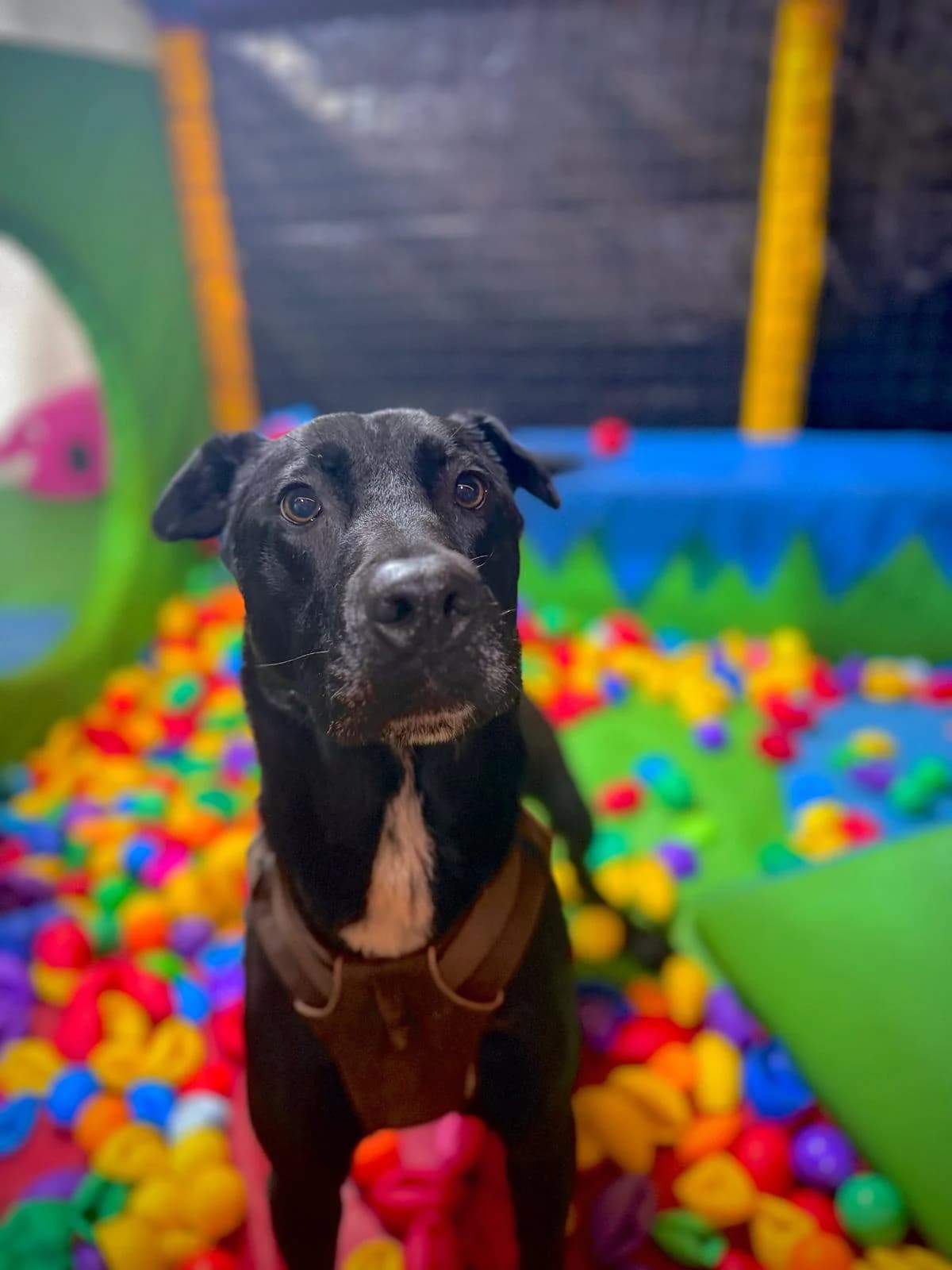
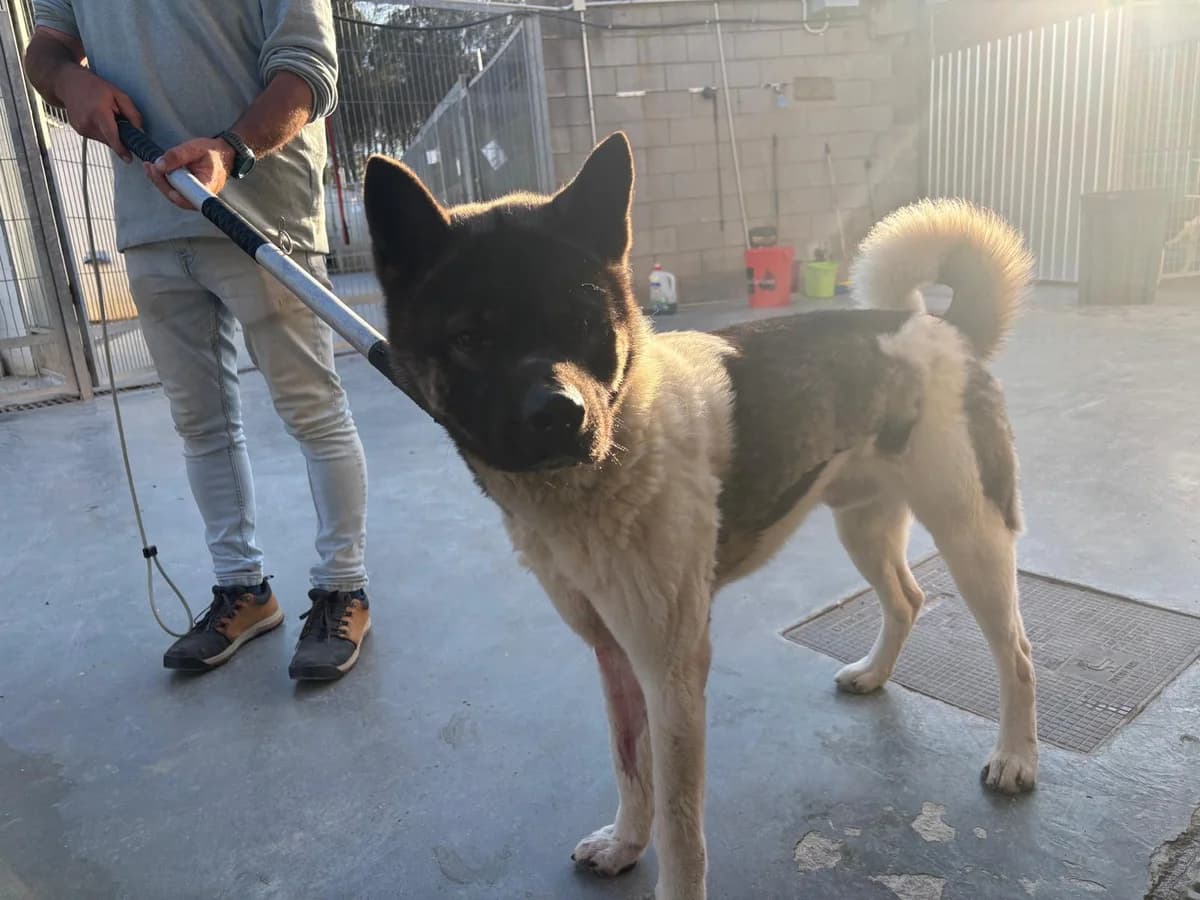
Korsad ras · Okänd · Valp · 6 månader
Att gå på bergstig är en av de vackraste aktiviteter man kan göra med sin hund. Men med medvetenhet. Den första regeln att respektera verkar självklar, men det är inte alls så, eftersom många som går med sin hund bara tänker på sina egna förmågor och fysiska kondition (ibland inte ens det!), som om det var självklart att hunden kan hantera vilken höjdvinningsnivå som helst och vilken längd på vandringen som helst. Istället måste vandringen anpassas efter hunden, dess hälsotillstånd, ålder, storlek, träningsnivå och utmattningstålighet. Mellan- eller stora hunder bör tas upp i bergen först efter ett år av ålder, men de bör inte möta höjdvinningsnivåer, vilket måste väntas ytterligare sex månader, med tanke på att en längre vandring kräver mindre höjdvinningsnivå och vice versa. Små hundar och brachycephala raser tenderar att tröttna lättare, och därför måste vandringen vara proportionell mot deras förmåga. Det finns också troen att hunden på bergen (som ett område utanför staden) alltid kan släppas från leenden, så att den slutligen uppfyller sin vilja att springa och lukta. Detta är en mycket vanlig sätt att tänka, typiskt för personer som i bästa fall är helt oprepareda och dåligt informerade, men som ofta också visar arrogans och övermod. I verkligheten får hunden aldrig släppas från leenden om den kan utgöra en fara, till exempel för andra bergstigare, skidåkare, cyklister, besökare eller managers av bergshus, och så vidare, eller om det finns ett förbud (som ibland är ett inträdesförbud) för att skydda skyddade områden och naturparkar. Dock, utanför dessa situationer är det främsta anledningen till att inte släppa hunden från leenden när den inte svarar snabbt på ägarens rop behovet att skydda vildlivet: en hund som jagar en av de många vilda djur som finns i bergen hotar inte bara livet hos det vilda djuret (vilket även om inte skadat eller dödat av hunden, kan ändå skada sig eller åtminstone svaga genom jakt och därmed bli mer utsatt för prärievildar), utan också sitt eget liv genom möjlig kontakt med sjuka vilda djur (rabies, tuberkulos, men också Aujeszky-sjukdom, orsakad av en virus vars naturliga värd är vildsvin och för vilken det inte finns någon effektiv behandling). En specifik blad i avsnittet "Hunden i samhället" i Apacas guider (också i ljudformat) samlar många andra användbara informationer om utrustning, hur man ska närma sig vandringen och saker att göra innan och efter en bergstig.
Läs original (it)
L'escursione in montagna è tra le attività più belle da fare con il cane. Ma con coscienza. La primissima regola da rispettare sembra ovvia, ma non lo è affatto, dato che spesso chi si accompagna al cane pensa soltanto alle capacità proprie e alla propria condizione fisica (talvolta neppure a questa!), quasi fosse scontato che il cane possa affrontare qualsiasi dislivello e qualsiasi durata del percorso. Invece, l’escursione deve essere adeguata al cane, al suo stato di salute, alla sua età e taglia e al suo livello di allenamento e al grado di resistenza alla fatica. Cani di taglia media o grande dovrebbero essere condotti in montagna solo dopo l’anno di età ma senza che debbano affrontare dislivelli, per affrontare i quali bisognerà attendere altri 6 mesi, tenendo conto che un percorso più lungo dovrà comportare meno dislivello e viceversa. I cani di piccola taglia e le razze brachicefale tendono ad affaticarsi più facilmente e quindi il percorso dovrà essere proporzionato alle loro capacità. C'è poi la convinzione che il cane in montagna (in quanto area extraurbana) possa essere lasciato libero sempre, in modo che finalmente dia sfogo al proprio desiderio di correre e annusare. E' un modo di pensare frequentissimo, proprio di persone che nell'ipotesi migliore sono solo sprovvedute e poco informate, ma che spesso brillano anche per arroganza e prepotenza. In realtà, il cane non può mai essere lasciato libero se è in grado di arrecare pericolo ad esempio, ad altri escursionisti, a sciatori, a ciclisti, ad avventori o gestori dei rifugi, e così via o se c'è un divieto (che talvolta è addirittura di accesso) a salvaguardia di aree protette e di parchi naturali. Ma al di fuori di tali fattispecie, la motivazione principale per non lasciare libero il cane che non risponde prontamente ai richiami del conduttore è la necessità di tutelare la fauna selvatica: un cane che rincorre uno dei molti animali selvatici presenti in montagna mette in pericolo non solo la vita del selvatico (che se anche non verrà ferito o ucciso dal cane potrà però ferirsi o comunque indebolirsi per l’inseguimento ed esporsi così a una più facile predazione da parte di altri selvatici), ma anche la propria per l’eventuale contatto con esemplari selvatici malati (rabbia, tubercolosi, ma anche la malattia di Aujeszky, causata da un virus che ha come ospite naturale il cinghiale e per la quale non esiste un trattamento efficace). Una scheda specifica nella sezione “il cane nella società” delle Guide di Apaca (anche in formato audio) raccoglie molte altre utili informazioni sull'attrezzatura, sulle modalità di affrontare il percorso e sulle cose da fare prima e dopo l'escursione in montagna.
Listade för 5 månader sedan