Skip to content
TailHarbor
← Back to results
Available

Adopt Non è chiaro perché il cane mangi erba, ma lo fa e non è un bene

Mixed Breed · Unknown

When it comes to domestic carnivores that nibble on grass, the first thought is immediately of the cat and its supposed ability to self-medicate, forcing vomiting and thus getting rid of hairballs. However, this common belief has been disproven by scientific research, which considers it actually an ancestral behavior, originally useful for expelling intestinal parasites but now unfounded, which the cat (like the chimpanzee) carries out due to biological memory. Sometimes, dogs also eat grass and the response, in this case as well, is not obvious. No scientific study has proven, for example, the function of self-medication: on the contrary, it seems that few dogs vomit after eating grass and that sometimes they eat it when they are hungry or about to eat. Other researchers suggest that dogs eat grass when they need vitamins, fiber or enzymes that they do not find in sufficient quantity in their diet, while an Australian study claims that dogs eat grass because it is juicy and fresh, as supported by the fact that grass is usually eaten before, not after meals, when they are thirsty and hungry. Another explanation is that the dog would eat grass when bored, since chewing increases the production of endorphins and serotonin and lowers the level of cortisol and adrenaline. From a practical point of view, what matters is to let the dog "play" with some blades of grass, but avoid it from "eating" them, especially if this is a repetitive behavior or if the amount is excessive. The reasons are simple: grass is poorly digestible and can cause serious syndromes; furthermore, the presence of pesticides in lawns or residues from combustion along the roads suggests avoiding the ingestion of grass; sometimes, moreover, the origin of this habit could actually be serious diseases such as gastritis or intolerances that require a veterinary consultation. In short, for a dog "eating" grass is not a good habit: it's rather a signal to evaluate and investigate further.

Read original (it)

Quando si parla di carnivori domestici che mangiucchiano erba si pensa immediatamente al gatto e alla sua presunta capacità di automedicarsi, forzando il vomito e liberandosi così dai boli di pelo. Senonchè anche questo luogo comune è stato smentito dalla ricerca scientifica, che ritiene si tratti in realtà di un gesto atavico, originariamente utile all’espulsione dei parassiti intestinali ma ora immotivato e che il gatto (al pari dello scimpanzè) mette in atto per memoria biologica. A volte anche il cane mangia erba e la risposta, pure in questo caso, non è scontata. Nessuno studio scientifico ha provato, ad esempio, la funzione di automedicazione: anzi, sembra che pochi cani vomitino dopo il consumo di erba e che talvolta la mangino, invece, quando hanno fame o sono prossimi al pasto. Altri ricercatori suggeriscono che i cani mangiano erba quando hanno bisogno di vitamine, fibre o enzimi che non trovano in quantità sufficiente nell’alimentazione, mentre una ricerca australiana sostiene che i cani mangiano l'erba perché è succosa e fresca, come confermerebbe la circostanza che l’erba viene di solito mangiata prima e non dopo i pasti, quando cioè hanno sete e fame. Un’altra spiegazione è che il cane mangerebbe l’erba quando si annoia, dato che la masticazione fa aumentare la produzione di endorfine e serotonina e abbassa il livello di cortisolo e adrenalina. Dal punto di vista pratico ciò che conta è lasciare che il cane “giochi” con qualche filo d'erba, ma evitare che “bruchi”, soprattutto se si tratta di un comportamento ripetitivo o se la quantità è eccessiva. Le ragioni sono semplici: l’erba è poco digeribile e può provocare sindromi importanti; inoltre, la presenza di pesticidi nei prati o di residui della combustione lungo le strade suggeriscono di evitare l’ingestione d’erba; a volte, poi, all’origine di questa abitudine ci potrebbero essere, in realtà, patologie anche gravi come gastriti o intolleranze che meritano un consulto veterinario. Insomma, per un cane “brucare” l’erba non è una buona abitudine: è piuttosto un segnale da valutare e approfondire.

Size
Medium
Age
Location
🇮🇹Italy
Shelter
Associazione Onlus Apaca
Create free account to contact →

Free account — 10 contacts included

Cared for by Associazione Onlus Apaca · ItalyLearn about Mixed Breed

Listed 1 month ago

Bringing Non è chiaro perché il cane mangi erba, ma lo fa e non è un bene home

What you'll need for Non è chiaro perché il cane mangi erba, ma lo fa e non è un bene in week one.

Hand-picked · prices indicative

  1. 01
    Required by most shelters

    Trixie Transport Box

    Sturdy plastic carrier — what most shelters require for pickup.

    View on Amazon
    €35–45
  2. 02
    Editor's pick

    Folding Wire Crate

    First-week safe space. Shelter dogs settle faster with a crate.

    View on Amazon
    €50–80
  3. 03
    Legal · EU

    Car Seatbelt Tether

    Legally required in most EU countries for transporting dogs.

    View on Amazon
    €8–12
  4. 04

    Adaptil Calming Spray

    Dog-specific pheromone diffuser. Worth it for the trip home.

    View on Amazon
    €18–25
  5. 05

    Orthopaedic Dog Bed

    Worth the upgrade — rescues often have joint issues from kennels.

    View on Amazon
    €30–60
  6. 06
    Safer than a collar

    Padded Y-Front Harness

    Escape-proof for spooky rescues. Safer than a collar in week one.

    View on Amazon
    €20–35

§ Affiliate links · TailHarbor earns a small commission, no extra cost to you.

About Non è chiaro perché il cane mangi erba, ma lo fa e non è un bene

What life with Non è chiaro perché il cane mangi erba, ma lo fa e non è un bene looks like

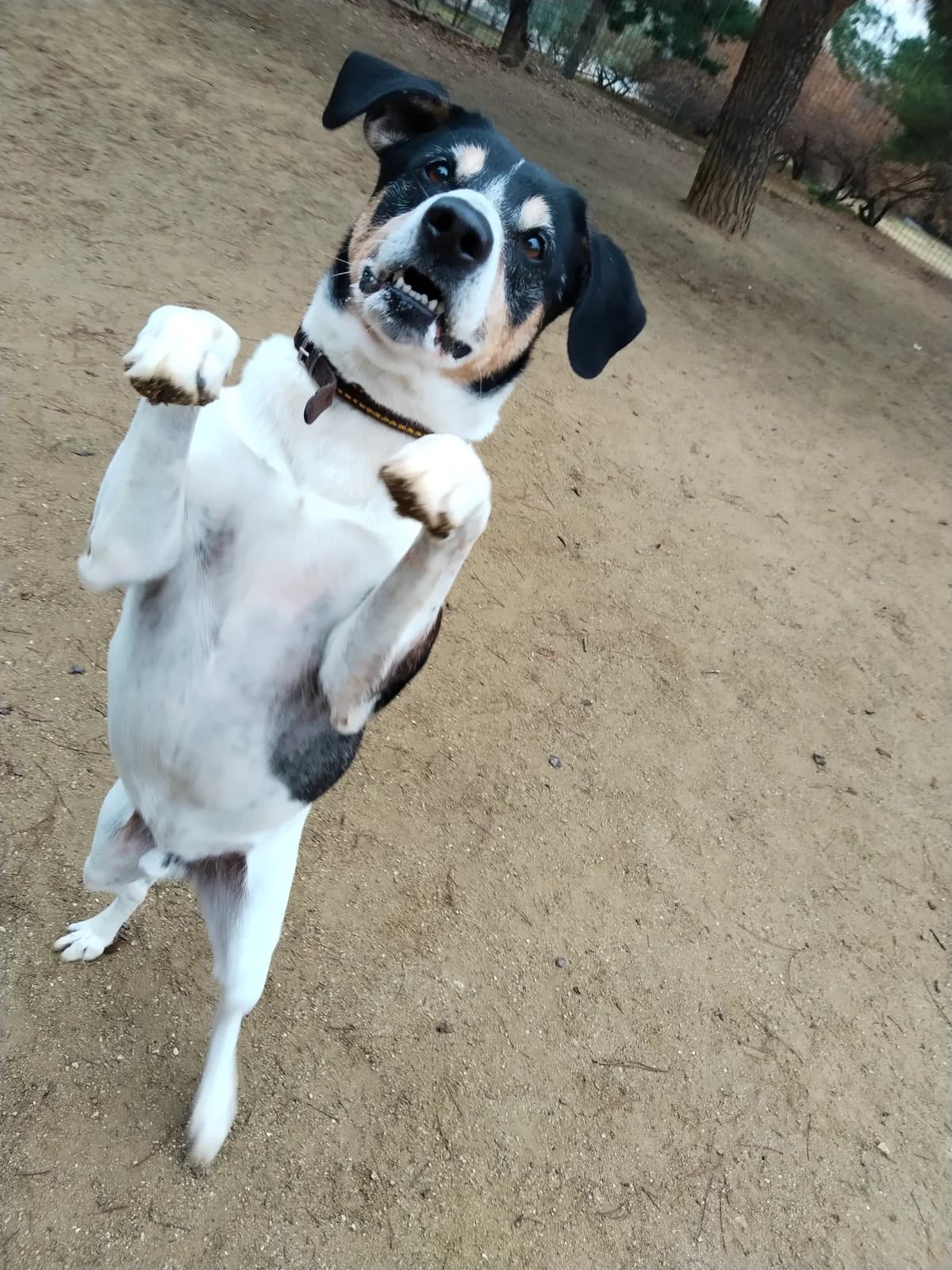
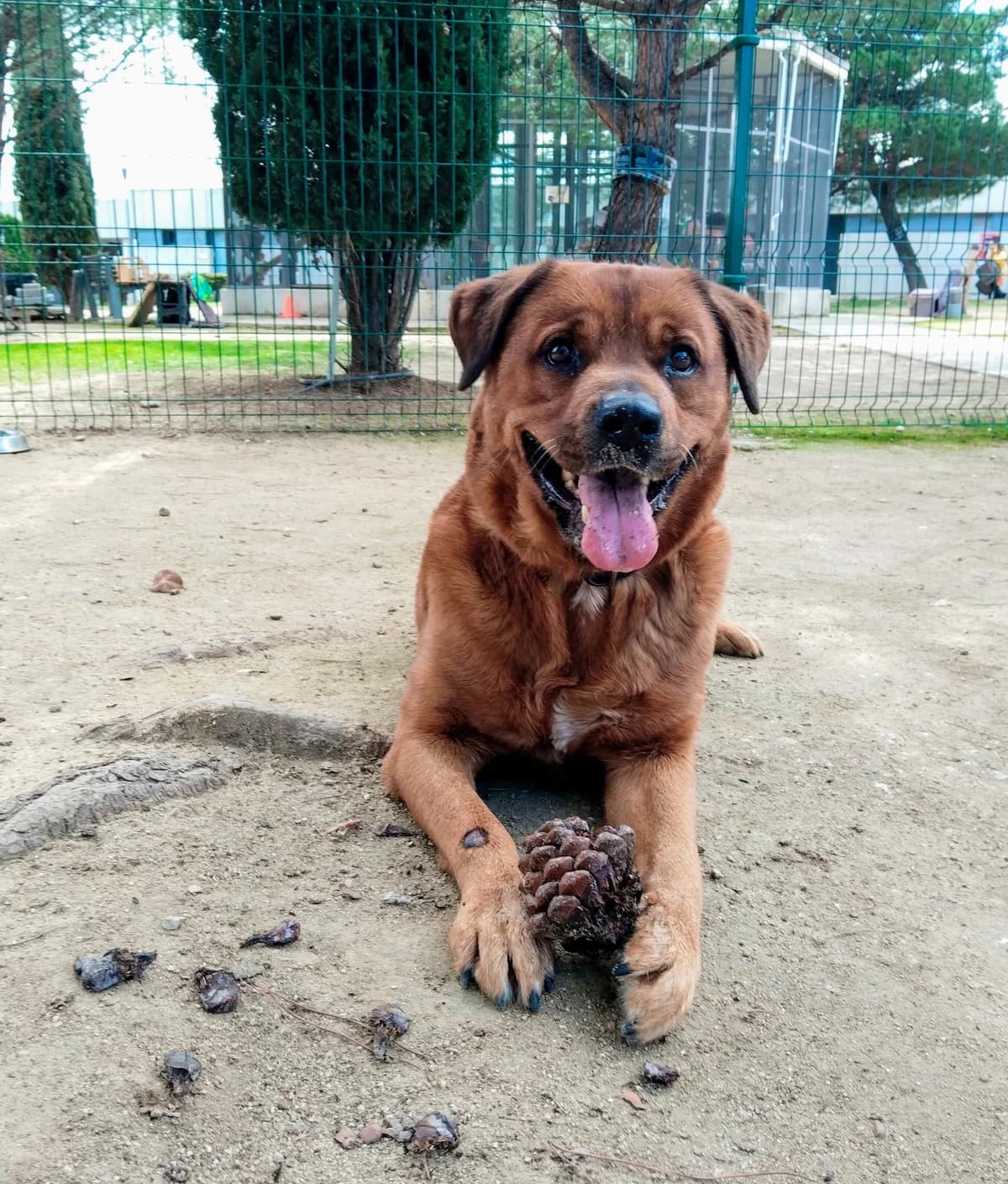
Non è chiaro perché il cane mangi erba, ma lo fa e non è un bene is a medium-sized adult mixed breed dog waiting at Associazione Onlus Apaca in Italy.

An adult dog fits most household rhythms once the first couple of weeks of adjustment pass. Two reasonable walks a day plus play time is usually enough. Plan a "decompression fortnight" — quiet routine, no visitors, no off-leash adventures — to let them settle.

🇮🇹Adopting from Italy

Italian canili require adopters to sign a stewardship contract (affido) and may retain the right to verify the animal's wellbeing post-adoption. Animals are chipped and sterilized before leaving (Legge 281/91). Public canili rifugio typically waive adoption fees.

Italy, Italy browse more dogs in Italy.

Frequently asked

Adopting Non è chiaro perché il cane mangi erba, ma lo fa e non è un bene, answered.

How do I contact the shelter about Non è chiaro perché il cane mangi erba, ma lo fa e non è un bene?
Use the phone, email, or website link in the sidebar of this page. Associazione Onlus Apaca handles screening and the adoption contract directly — TailHarbor doesn't broker the conversation. When you reach out, mention you saw Non è chiaro perché il cane mangi erba, ma lo fa e non è un bene on TailHarbor so they know which animal you're asking about.
Can I adopt Non è chiaro perché il cane mangi erba, ma lo fa e non è un bene if I live in another country?
Yes, in most cases. Rescues across Europe routinely place animals abroad — Associazione Onlus Apaca will tell you what they need (EU pet passport, rabies titer, transport coordination) and whether they handle transport themselves or refer you to a partner. Plan for an extra €100–€350 in transport costs depending on distance.
Is Non è chiaro perché il cane mangi erba, ma lo fa e non è un bene already vetted, vaccinated, and chipped?
Most dogs on TailHarbor leave their shelter with sterilization, current vaccinations, microchip ID, and an EU pet passport included in the adoption fee. The vet status on this page reflects what the shelter has reported — ask them directly if you need details on specific vaccines, recent bloodwork, or chronic conditions.
What happens if Non è chiaro perché il cane mangi erba, ma lo fa e non è un bene isn't the right fit?
Every reputable rescue accepts an animal back if the adoption genuinely doesn't work — that's part of the standard contract. Talk it through with Associazione Onlus Apaca early rather than rehoming privately; they know Non è chiaro perché il cane mangi erba, ma lo fa e non è un bene and can place them more successfully than a second-hand listing can.
Why does the description sometimes read awkwardly?
TailHarbor translates shelter descriptions into English from the source language (IT). Translation is imperfect — names of streets, donors, and shelter-specific terms occasionally slip through unidiomatically. For the cleanest read, click the source link to see the shelter's original page.
You might also like

More Mixed Breed pets

Flaco

4 months

Mixed Breed

🇪🇸Madrid, Spain

Thor

Mixed Breed

🇪🇸Madrid, Spain

Oso

Mixed Breed

🇪🇸Madrid, Spain

More from Associazione Onlus Apaca

Quando la coppia scoppia, la prima vittima è il cane

Mixed Breed · medium

🇮🇹Italy

A Natale, meticcio o di razza? In ogni caso, mai on-line

3 months

Mixed Breed

🇮🇹Italy

Cane del rifugio ferito a causa dei botti

12 years

Mixed Breed

🇮🇹Italy

Similar animals

More Mixed Breeds looking for a home

RIO

Mixed Breed · medium

🇮🇹Italy

NACHO

Mixed Breed · medium

🇮🇹Italy

GARCIA

Mixed Breed · medium

🇮🇹Italy

GAVI

Mixed Breed · medium

🇮🇹Italy

NEGRITA

Mixed Breed · medium

🇮🇹Italy

WOODY

Mixed Breed · medium

🇮🇹Italy

Spotted something wrong? Suggest a change →