Handicap-Wellis
Male
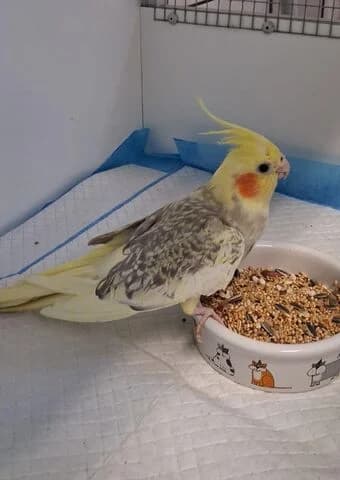
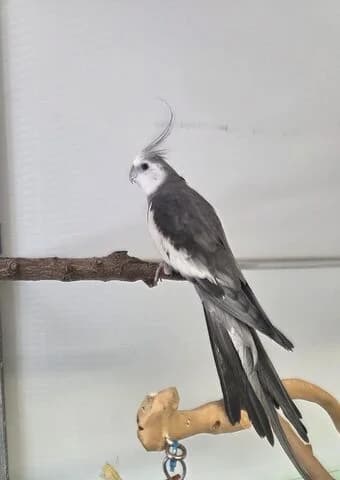
- Require regular veterinary check-ups/treatment - Illness/Problem Type: budgerigar. Gender: male and female. Color: variousAge: adultTime in animal shelter: variousHTV-Numbers: diverse Currently housing some budgerigars that are considered to have a handicap as they, although appearing normal and fit, had contact with pathogens that must be assumed to either not be completely gone or to reappear quickly. This pertains to the pathogens "Macrorhabdus ornithogaster," also known as "megabacteria," and "Mykobacterium genavense." The birds with HTV-Numbers 299 - 302_S_25 are "only" affected by "Macrorhabdus ornithogaster," while the birds with HTV-Numbers 153 - 244_S_25 had contact with both "Macrorhabdus ornithogaster" and "Mykobacterium genavense." These birds can only be rehomed to well parakeets that are also affected by the aforementioned pathogens or at least in pairs from their respective groups. Similarly, these birds require the minimum cage sizes recommended for healthy budgerigars. For the birds that had contact with the Mycobacterium, a separate bird room would be recommended for hygienic reasons. What do these pathogens mean for the husbandry of the birds? Those with experience with parakeets have likely heard the term "megabacteria." These "megabacteria" are actually not bacteria but fungi that settle in the crop and intestines of budgerigars. If they become too numerous, problems arise: the birds regurgitate, have diarrhea, pass undigested food, and the pathogens eat the bird’s food away, causing the sick budgerigar to become thinner and thinner until it starves to death if not treated in time. The pathogen is not transmissible to humans or other domestic animals like dogs. Our parakeets have all been treated against Macrorhabdus ornithogaster, the correct name of the pathogen, and are currently symptom-free. However, recurrences often occur, especially if the birds consume too many sugary foods like "cracker," fruit, or sugary vegetables like carrots. Since common parakeet food naturally contains sugar, problems can arise again. The pathogen "Mykobacterium genavense" is more serious as it is considered a zoonosis, meaning transmission to other animal species and even humans is theoretically possible. Transmission occurs through contact with the birds' droppings, which can be managed through proper hygiene measures like daily cleaning, wearing gloves, and disinfecting equipment like food dishes. However, a special infection risk exists for individuals with weakened immune systems, so children, pregnant women, chronically ill, or very elderly people should not live with the birds and have contact with them.
DE·Show original
Zur Zeit beherbergen wir einige "Handicap-Wellensittiche": Tiere, die äußerlich gesund und fit wirken, aber in der Vergangenheit Kontakt mit bestimmten Krankheitserregern hatten. Bei diesen Erregern muss davon ausgegangen werden, dass sie entweder nicht ganz verschwunden sind oder erneut neu auftreten können. Im Fall unserer Handicap-Wellis betrifft es die Erreger Macrorhabdus ornithogaster - auch "Megabakterien" genannt - und Mykobakterium genavense. Da diese Keime mit dem Kot verbreitet werden können, ist aus hygienischen Gründen die Haltung der Tiere in einem separatem Vogelzimmer zu empfehlen. Was bedeuten diese Erreger für die Haltung der Vögel? Wer Erfahrung mit Wellensittichen hat, hat folgendes Wort sicher schon mal gehört: "Megabakterien".Diese "Megabakterien" sind eigentlich keine Bakterien, sondern Pilze, die sich in Kropf und Darm der Wellensittiche ansiedeln. Wenn es zu viele werden, gibt es Probleme für die betroffenen Vögel: Sie erbrechen sich, haben Durchfall und scheiden unverdautes Futter aus. Darüber hinaus fressen die Erreger den Vögeln die Nahrung weg, sodass der erkrankte Wellensittich immer dünner und dünner wird, bis er schließlich verhungert - wenn nicht rechtzeitig eingegriffen wird. Auf Menschen oder andere Haustiere (Hunde, Katzen etc.) ist der Erreger nicht übertragbar.Unsere Wellis wurden alle schon einmal gegen die "Megabakterien" (Macrorhabdus ornithogaster) behandelt und sind derzeit symptomfrei. Allerdings kann es zu einem Wiederauftreten der Erkrankung kommen, insbesondere wenn die Tiere zu viel zuckerhaltige Nahrung wie "Kräcker", Obst oder zuckerreiches Gemüse wie Möhren bekommen. Da auch das gängige Wellensittichfutter von Natur aus Zucker enthält, können die Probleme immer wieder auftreten. Der Erreger Mykobakterium genavense ist ernster zu nehmen, da er als Zoonose gilt, was bedeutet, dass eine Übertragung auf andere Tierarten und auf den Menschen theoretisch möglich ist. Auch diese Übertragung findet über den Kontakt mit dem Kot der Tiere statt, was durch entsprechende Hygienemaßnahmen wie die tägliche Reinigung, das Tragen von Handschuhen, und die Desinfektion des Vogelzubehör gemanagt werden kann. Da eine besondere Infektionsgefahr für Personen mit einem geschwächten Immunsystem besteht, sollten Kleinkinder, Schwangere, chronisch kranke und sehr alte Personen nicht mit im Haushalt leben und keinen Kontakt zu den betroffenen Tieren haben.
- ✓Good with kids
Listed 5 months ago