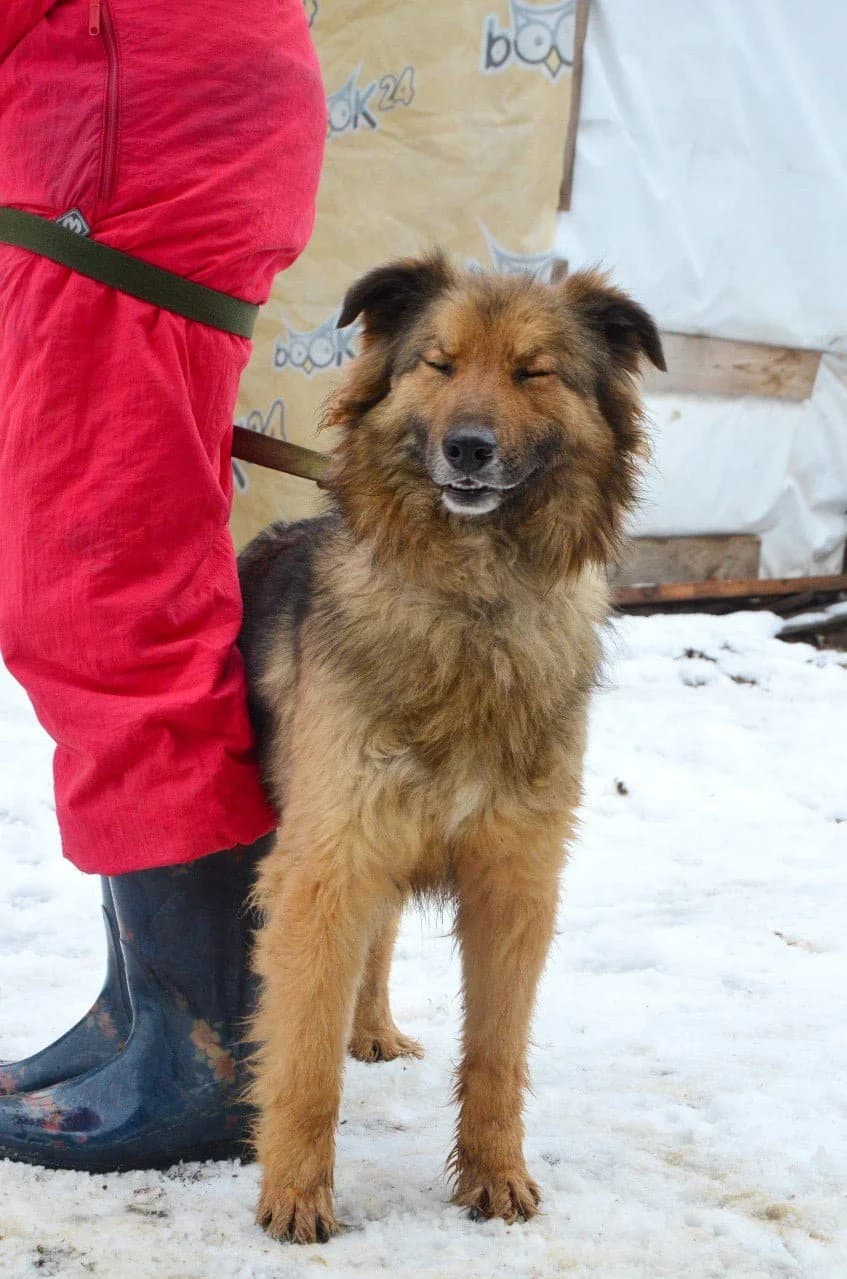
Adopter Se fa un ‘freddo cane’
Krydsede raser · Ukendt
Men hvad har hunden med kolden at gøre? I det uformelle sprog er der en reference til en tilstand hos hunden, som desværre endnu ikke er helt borte. Dette idiomatiske udtryk fremkalder et billede af intens og næsten upåklagelig kold og synes at være eksklusiv for den italienske kultur, hvis oprindelse sandsynligvis kan tilskrives den måde folk i middelalderen omgik sig med hunden, som bestemt ikke var en kompanjon, og som ikke fik den opmærksomhed, som mange af os giver den i dag: den var hovedsagelig ejendomsvaerter og på grund af dette blev holdt udenfor, ofte fastkedet, udsat for koldt vejr og elementerne. Herfra kommer udtrykket "kold hund" eller "kold som en hund", der bruges til at beskrive endog meget lave temperaturer, som hunden kunne tåle. En anden tolkning af udtrykket findes også online, ifølge hvilken kolden sidder fast i benene og bider, ligesom en hund måske ville bide. Endelig spores en tredje betydning tilbage, snarere til den negative konnotation af hunden forbundet med det gamle romerske terningespil: "hundens slag" var faktisk det mest uheldige kast, med den laveste score: herfra korrelationen mellem ordet "hund" og ordet "ulykke". Som nævnt er "det er en kold hund" eksklusiv for det italienske sprog, mens andre kulturer enten bruger figurativt anderledes dyr end hunden – såsom de franske, der bruger udtrykket "il fait un froid de canard", bogført "en kold som en anand" – eller idiomatiske udtryk lige så effektive, men hvor dyret mangler – såsom den spanske "hace un frío que pela", altså "det er så koldt, at det skaller". Sådanne er også eskimoerne, meget praktiske og pragmatiske, hvis udtryk "det er koldt i dag for to hunde" også (ikke præcis kendt takket være hvilke sproglige kontakter) er oprindelsen til det italienske udtryk. Det er en gammel tradition blandt eskimoenes folk at bruge fraser, der henvisede til hunden for at forklare den ekstreme kold, de følte: i frasen "det er koldt i dag for to hunde" bliver antallet af hunde til en måleenhed for at beskrive koldens intensitet, hvilket antyder, at jo flere hunde der skal bringes ind i ishuset for at opvarme miljøet bedre, jo intensere er kolden. Uanset udtrykket behøver vi i dag at være opmærksomme på, at når det er koldt, er det koldt for alle, inklusive husdyr: at lade dem sidde udenfor huset er ikke den rigtige valg, mens en indbo i huset – især om natten – beskytter hunden fra sikkerhedsmæssigt synspunkt, sundhed og velbefindende, opfylder dens behov for at høre til, hjælper den med at sove bedre og eliminerer ikke kun lidelserne fra kulden, men også stresset relateret til udsættelse for kontinuerlige miljøstimuli.
Læs original (it)
Ma cosa c'entra il cane con il freddo? Nel detto colloquiale un riferimento a una condizione del cane purtroppo non ancora del tutto abbandonata Quest'espressione idiomatica evoca un'immagine di freddo intenso e quasi insopportabile e sembra un'esclusiva della cultura italiana, la cui origine è riconducibile verosimilmente al modo in cui nel Medioevo ci si relazionava con il cane, che non era certo un animale da compagnia, né riceveva le attenzioni che oggi in molti gli riserviamo: era soprattutto il guardiano della proprietà e, per questo, lasciato all’aperto, di solito incatenato, esposto al freddo e alle intemperie. Da qui il detto ‘freddo cane’ o ‘freddo da cane’, utilizzato per dire di temperature anche bassissime che il cane riusciva a sopportare. Piuttosto accreditata in rete è anche un'altra accezione del detto, in base alla quale il freddo si attaccherebbe alle ossa e morderebbe, proprio come potrebbe fare un cane che morde. Infine, un terzo significato si fa risalire, invece, all'accezione negativa del cane che è legata all'antico gioco romano dei dadi: il “colpo del cane” era, infatti, quello più sfortunato, con il punteggio inferiore: da qui la correlazione fra la parola “cane” e la parola “sventura”. Come detto, “fa un freddo cane” è un'esclusiva della lingua italiana, mentre altre culture o utilizzano figurativamente animali diversi dal cane – così è per il francese che usa l'espressione “il fait un froid de canard”, letteralmente “fa un freddo da anatra” – oppure espressioni idiomatiche ugualmente efficaci ma in cui l'animale è assente – come nello spagnolo “hace un frío que pela” , ovvero “fa un freddo che sbuccia(spella)”. E poi ci sono gli eschimesi, molto pratici e pragmatici al cui detto ‘oggi fa freddo per due cani’ risalirebbe (non si sa bene grazie a quali contatti linguistici) anche il detto italiano. E' antica consuetudine dei popoli eschimesi usare frasi che facevano riferimento al cane per spiegare il freddo eccessivo che provavano: nell'espressione ‘oggi fa freddo per due cani’ il numero di cani diventa un'unità di misura per descrivere l'intensità del freddo, suggerendo che più sono i cani che devono essere portati dentro l'igloo per riscaldare meglio l'ambiente, più il freddo è intenso. A prescindere dal detto, ciò di cui bisogna essere oggi consapevoli e che se fa freddo, fa freddo per tutti, animali domestici compresi: lasciarli all'esterno dell'abitazione non è la scelta corretta, mentre una sistemazione in casa -soprattutto per la notte- tutela il cane dal punto di vista della sicurezza, della salute e del benessere, soddisfacendo il suo bisogno di appartenenza, aiutandolo a riposare meglio ed eliminando del tutto non solo il patimento per il freddo, ma anche lo stress legato all'esposizione a continui stimoli ambientali.
Listet for 5 måneder siden