Skip to content
TailHarbor
← Back to results
Available

Quando l’acqua (dolce o salata) diventa un pericolo

Mixed Breed · Unknown

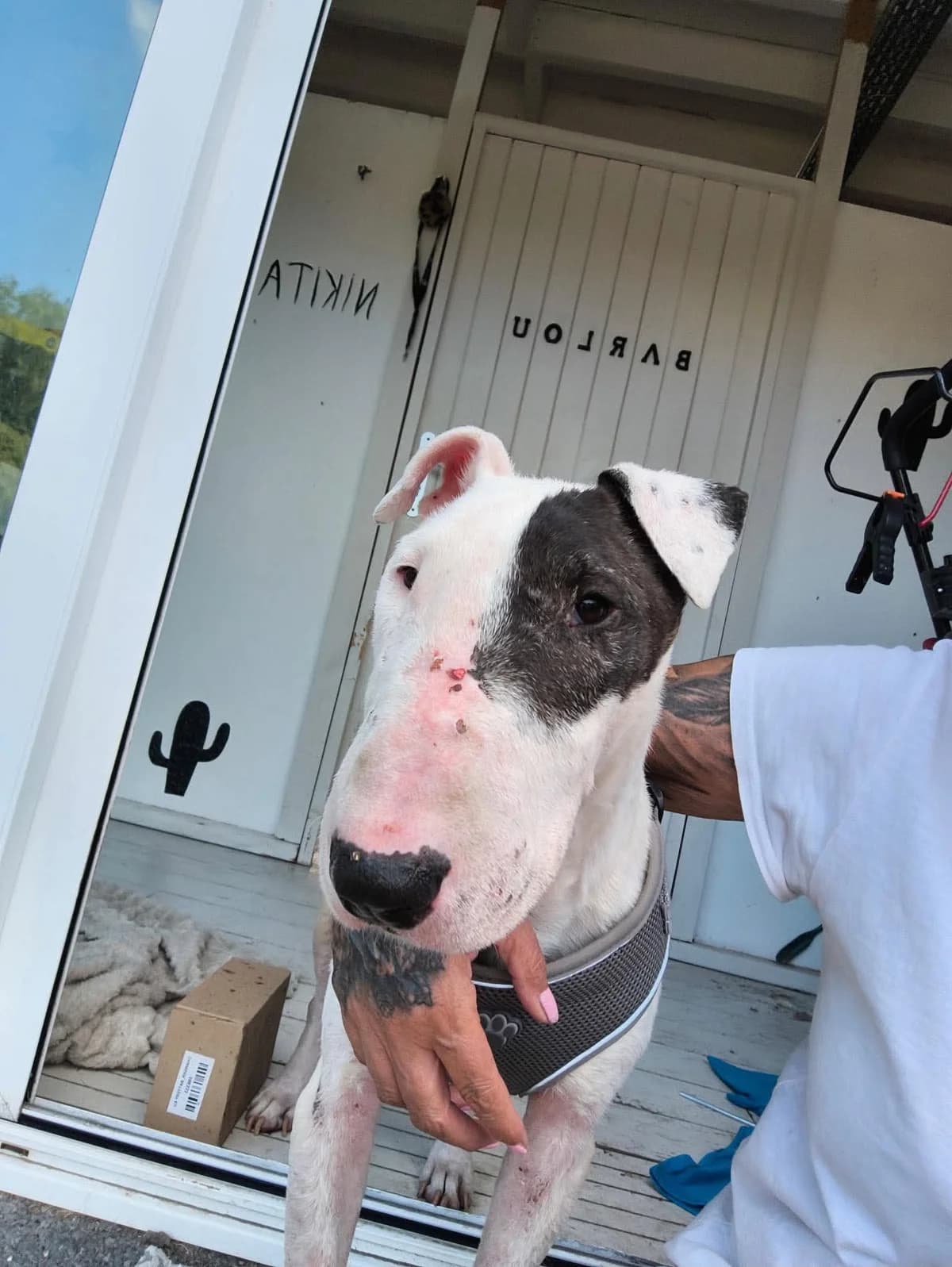
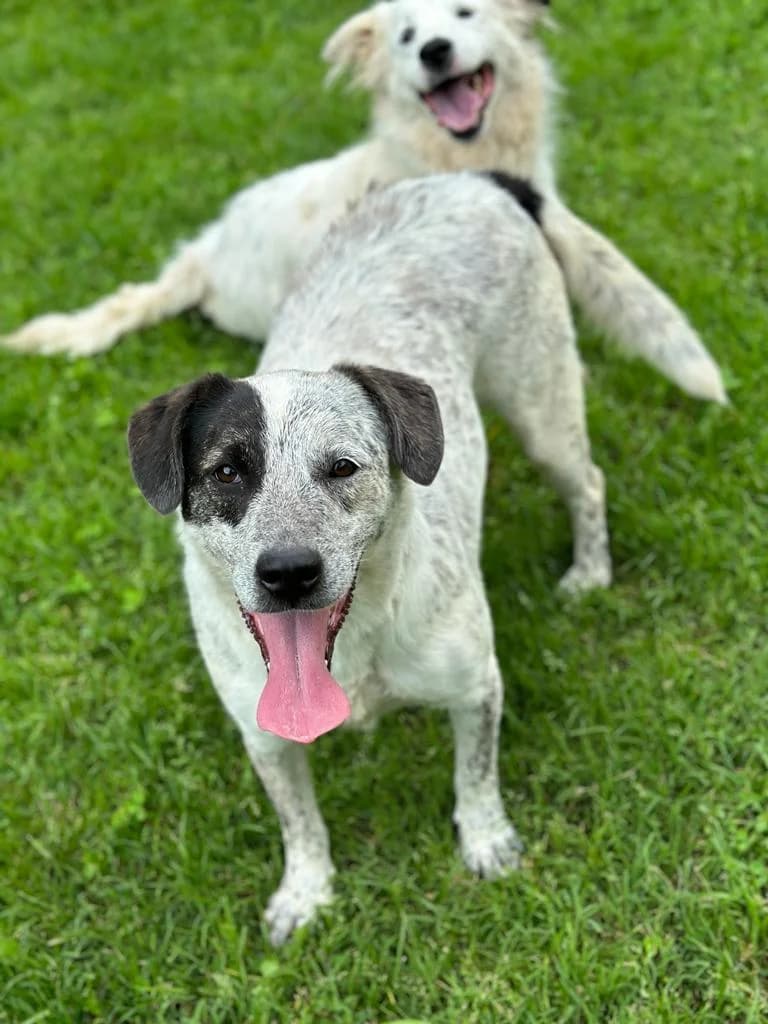
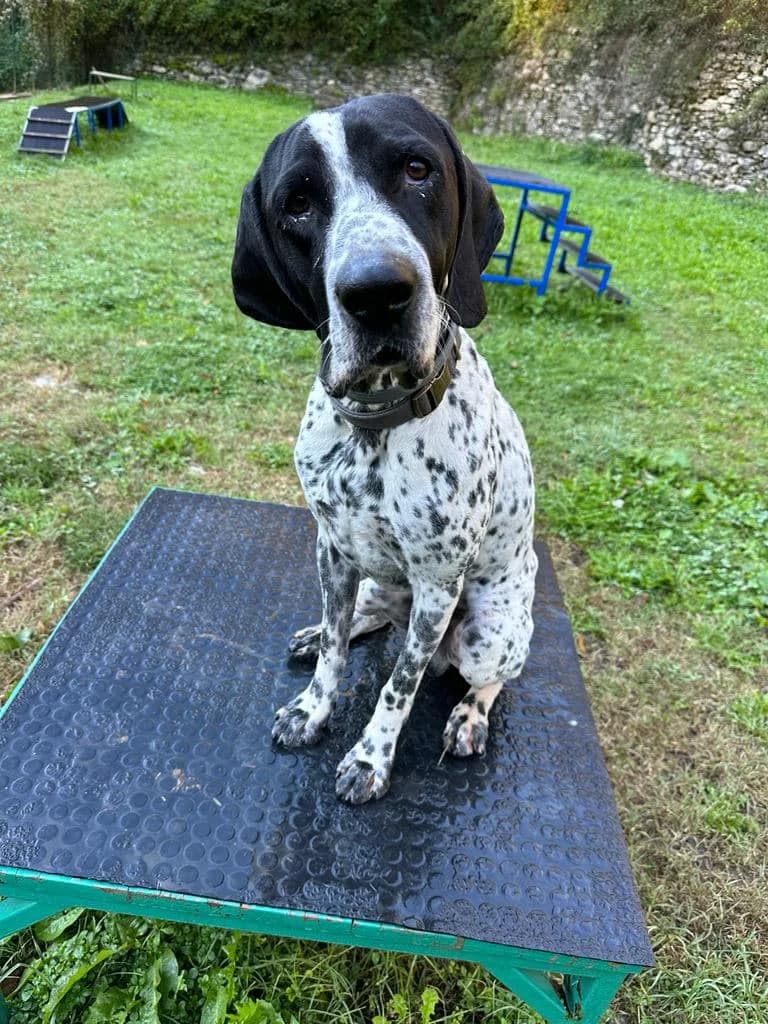
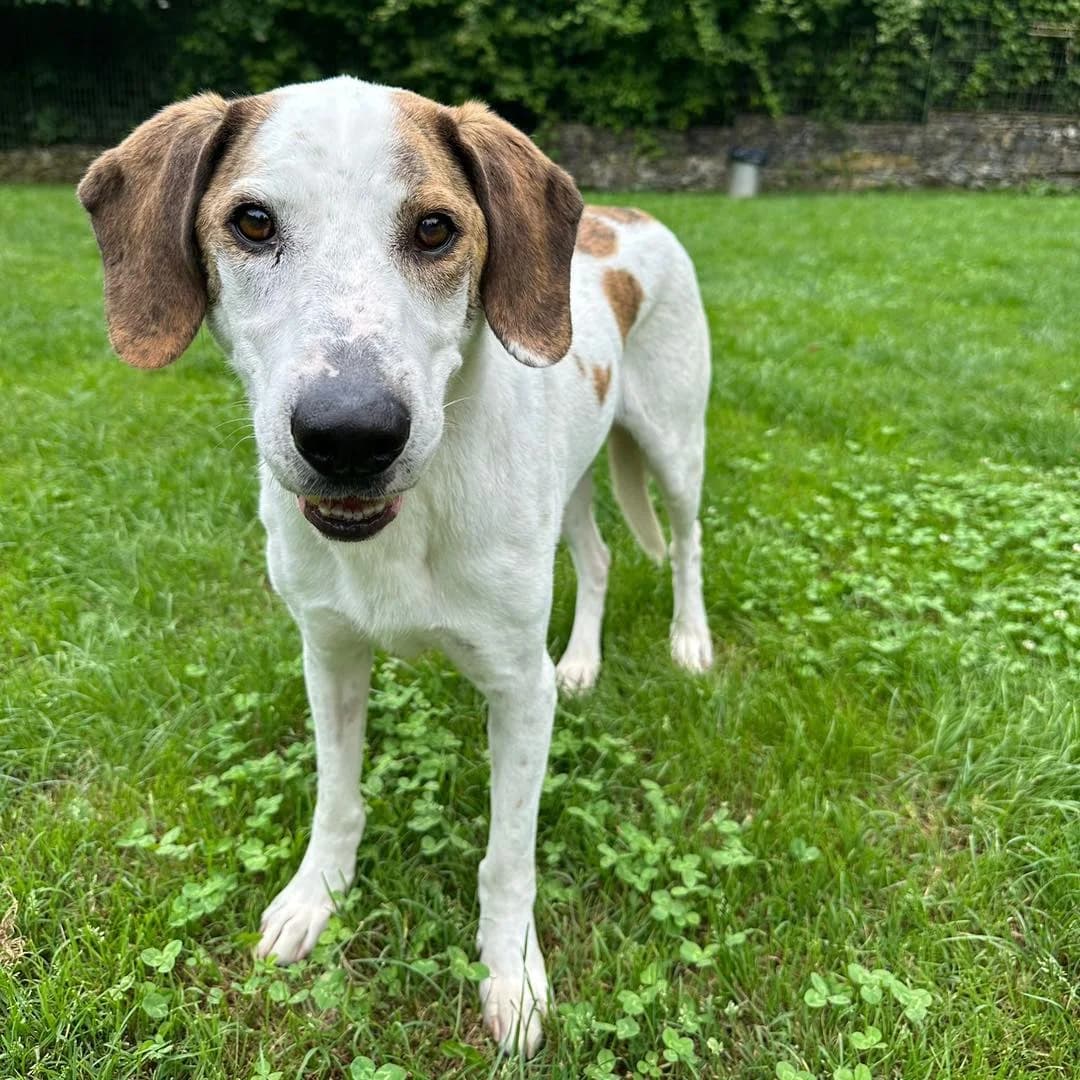
A dog can't tell when to stop drinking water from a river or sea. When the temperature rises, they take long swims in the ocean, lake, or rivers and streams, where they are encouraged to swim and retrieve sticks and balls. The problem is that the dog can't understand when it's time to stop drinking (the normal requirement is 40-80 milliliters of water per kilogram of body weight per day). If he drinks too much while swimming or "bites" waves or grabs an object to retrieve, then problems can become very serious. If a dog ingests too much saltwater, it can develop an electrolyte disorder characterized by excessive sodium in the blood: hypersodemia (or hypernatremia), whose first symptoms are nausea and vomiting, but which can quickly evolve into respiratory difficulties, collapse, loss of consciousness, convulsions, cerebral hemorrhages, ischemia, coma, and death. The first thing to do is try to make the dog drink fresh water to lower sodium concentration, but veterinary care should be sought as soon as possible. Hyponatremia (or hyposodemia) occurs when a dog's blood sodium levels drop below 140 mEq/l: it can be caused by an excessive intake of fresh water that causes, in fact, an excessive lowering of the concentration of sodium in the animal's blood. Symptoms are also extreme weakness, apathy, loss of appetite, nausea and vomiting, and later convulsions and coma. Restoring normal sodium levels in the blood is the exclusive task of a veterinarian, as it is a delicate operation that must be conducted gradually and competently. In reality, there can be many causes for hyponatremia (including specific diseases, significant diarrhea, heatstroke, etc.), but if ingestion of water causes them, dogs most at risk are small breeds (which, precisely because of their size, undergo more rapid changes in sodium concentration), but it is clear that every dog is exposed to the danger, which can be easily avoided by limiting the dog's stay in water, sweet or salty. A specific sheet in the "the dog in society" section of Apaca Guides (also in audio format) collects many other useful information on things to do and know when a dog is in places with water.

IT·Show original

Il problema è che il cane non sa quando è ora di smettere di ingurgitare l'acqua del fiume o del mare. Quando la temperatura sale arrivano puntualmente anche i bagni in mare o al lago o nei fiumi e torrenti, con cani stimolati a nuotare e a riportare legnetti e palline. Il problema è che il cane non è in grado di capire quando è ora di smettere di ingurgitare acqua (il fabbisogno normale è di 40-80 millilitri di acqua per chilo di peso corporeo al giorno) e se accade che sia troppa quella che beve mentre nuota o “morde” le onde o afferra l'oggetto da riportare allora i problemi possono diventare davvero molto seri. Se il cane ingurgita troppa acqua salata può incorrere in un disturbo elettrolitico caratterizzato in una eccessiva concentrazione di sodio nel sangue: è l'ipersodiemia (o ipernatriemia), i cui primi sintomi sono nausea e vomito, ma che può rapidamente evolvere in difficoltà respiratorie, collasso, perdita di coscienza, convulsioni, emorragie cerebrali, ischemie, coma e morte. La prima cosa da fare è cercare di far bere dell'acqua dolce al cane per abbassare la concentrazione di sodio, ma il ricorso alle cure veterinarie è la scelta da fare quanto prima. Si parla invece di iponatriemia (o iposodiemia) quando i valori ematici di sodio scendono nel cane al di sotto dei 140 mEq/l: a provocarla può essere un esagerato apporto di acqua dolce che provoca, appunto, un abbassamento eccessivo della concentrazione di sodio nel sangue dell'animale. I sintomi sono, anche in questo caso, debolezza estrema, apatia, inappetenza, nausea e vomito e, successivamente, convulsioni e coma. Cercare di ripristinare i valori normali di sodio nel sangue è compito esclusivo del veterinario, perchè è un'operazione delicata che va condotta con gradualità e competenza. In realtà, le cause dell'ipernatriemia, così come dell'iponatriemia possono essere molte (tra cui patologie specifiche, diarree importanti, colpi di calore ecc.), ma se a provocarle è l'ingestione d'acqua allora i cani più a rischio sono quelli di piccola taglia (che proprio in ragione della dimensione subiscono più rapidamente le alterazioni nella concentrazione di sodio), ma è evidente che ogni cane è esposto al pericolo, che peraltro può essere facilmente evitato limitando la permanenza del cane in acqua, dolce o salata che sia. Una scheda specifica nella sezione “il cane nella società” delle Guide di Apaca (anche in formato audio) raccoglie molte altre utili informazioni sulle cose da fare e da sapere quando il cane si trova nei luoghi d'acqua.

Size
Small
Age
—
Location
🇮🇹Italy
Shelter
Associazione Onlus Apaca
Cared for by Associazione Onlus Apaca · ItalyLearn about Mixed Breed →

Listed 3 months ago

Bringing Quando l’acqua (dolce o salata) diventa un pericolo home

What you'll need for Quando l’acqua (dolce o salata) diventa un pericolo in week one.

Hand-picked · prices indicative

  1. 01
    Required by most shelters

    Trixie Transport Box

    Sturdy plastic carrier — what most shelters require for pickup.

    View on Amazon→
    €35–45
  2. 02
    Editor's pick

    Folding Wire Crate

    First-week safe space. Shelter dogs settle faster with a crate.

    View on Amazon→
    €50–80
  3. 03
    Legal · EU

    Car Seatbelt Tether

    Legally required in most EU countries for transporting dogs.

    View on Amazon→
    €8–12
  4. 04

    Adaptil Calming Spray

    Dog-specific pheromone diffuser. Worth it for the trip home.

    View on Amazon→
    €18–25
  5. 05

    Orthopaedic Dog Bed

    Worth the upgrade — rescues often have joint issues from kennels.

    View on Amazon→
    €30–60
  6. 06
    Safer than a collar

    Padded Y-Front Harness

    Escape-proof for spooky rescues. Safer than a collar in week one.

    View on Amazon→
    €20–35

§ Affiliate links · TailHarbor earns a small commission, no extra cost to you.

About Quando l’acqua (dolce o salata) diventa un pericolo

What life with Quando l’acqua (dolce o salata) diventa un pericolo looks like

Quando l’acqua (dolce o salata) diventa un pericolo is a small adult mixed breed dog waiting at Associazione Onlus Apaca in Italy.

An adult dog fits most household rhythms once the first couple of weeks of adjustment pass. Two reasonable walks a day plus play time is usually enough. Plan a "decompression fortnight" — quiet routine, no visitors, no off-leash adventures — to let them settle.

🇮🇹Adopting from Italy

Italian canili require adopters to sign a stewardship contract (affido) and may retain the right to verify the animal's wellbeing post-adoption. Animals are chipped and sterilized before leaving (Legge 281/91). Public canili rifugio typically waive adoption fees.

Italy, Italy — browse more dogs in Italy.

Frequently asked

Adopting Quando l’acqua (dolce o salata) diventa un pericolo, answered.

How do I contact the shelter about Quando l’acqua (dolce o salata) diventa un pericolo?
Use the phone, email, or website link in the sidebar of this page. Associazione Onlus Apaca handles screening and the adoption contract directly — TailHarbor doesn't broker the conversation. When you reach out, mention you saw Quando l’acqua (dolce o salata) diventa un pericolo on TailHarbor so they know which animal you're asking about.
Can I adopt Quando l’acqua (dolce o salata) diventa un pericolo if I live in another country?
Yes, in most cases. Rescues across Europe routinely place animals abroad — Associazione Onlus Apaca will tell you what they need (EU pet passport, rabies titer, transport coordination) and whether they handle transport themselves or refer you to a partner. Plan for an extra €100–€350 in transport costs depending on distance.
Is Quando l’acqua (dolce o salata) diventa un pericolo already vetted, vaccinated, and chipped?
Most dogs on TailHarbor leave their shelter with sterilization, current vaccinations, microchip ID, and an EU pet passport included in the adoption fee. The vet status on this page reflects what the shelter has reported — ask them directly if you need details on specific vaccines, recent bloodwork, or chronic conditions.
What happens if Quando l’acqua (dolce o salata) diventa un pericolo isn't the right fit?
Every reputable rescue accepts an animal back if the adoption genuinely doesn't work — that's part of the standard contract. Talk it through with Associazione Onlus Apaca early rather than rehoming privately; they know Quando l’acqua (dolce o salata) diventa un pericolo and can place them more successfully than a second-hand listing can.
Why does the description sometimes read awkwardly?
TailHarbor translates shelter descriptions into English from the source language (IT). Translation is imperfect — names of streets, donors, and shelter-specific terms occasionally slip through unidiomatically. For the cleanest read, click the source link to see the shelter's original page.
You might also like

More Mixed Breed pets

rocky-250268732705xxx, male Mixed Breed for adoption at Alerte à Malibull

rocky-250268732705xxx

Mixed Breed

Male
rocky-250268732734xxx, male Mixed Breed for adoption at Alerte à Malibull

rocky-250268732734xxx

Mixed Breed

Male
river-250268743237xxx-2, male Mixed Breed for adoption at Alerte à Malibull

river-250268743237xxx-2

Mixed Breed

Male

More from Associazione Onlus Apaca

Quando la coppia scoppia, la prima vittima è il cane,  Mixed Breed for adoption at Associazione Onlus Apaca

Quando la coppia scoppia, la prima vittima è il cane

Mixed Breed · medium

Unknown
Cane del rifugio ferito a causa dei botti,  senior Mixed Breed for adoption at Associazione Onlus Apaca

Cane del rifugio ferito a causa dei botti

Mixed Breed

12 yearsUnknown
Gioia, female Mixed Breed for adoption at Associazione Onlus Apaca

Gioia

Mixed Breed · medium

Female
Similar animals

More Mixed Breeds looking for a home

Carlotta,  3yo Mixed Breed for adoption at Buoncanile Onlus — Genova, Genova GE

Carlotta

Mixed Breed · medium

3 yearsUnknown
Pelè,  5yo Mixed Breed for adoption at Buoncanile Onlus — Genova, Genova GE

Pelè

Mixed Breed

5 yearsUnknown
Bernie,  6yo Mixed Breed for adoption at Buoncanile Onlus — Genova, Genova GE

Bernie

Mixed Breed

6 yearsUnknown
Greta,  senior Mixed Breed for adoption at Buoncanile Onlus — Genova, Genova GE

Greta

Mixed Breed

8 yearsUnknown
BELLE, female young Mixed Breed for adoption at Gruppo Ambiente ODV, Ronchi dei Legionari (GO)

BELLE

Mixed Breed · medium

2 yearsFemale
Poveri cuccioli, female senior Mixed Breed for adoption at L.I.D.A. Olbia, Olbia

Poveri cuccioli

Mixed Breed

15 yearsFemale

Spotted something wrong? Suggest a change →