Adopt Nuove regole per far volare il cane
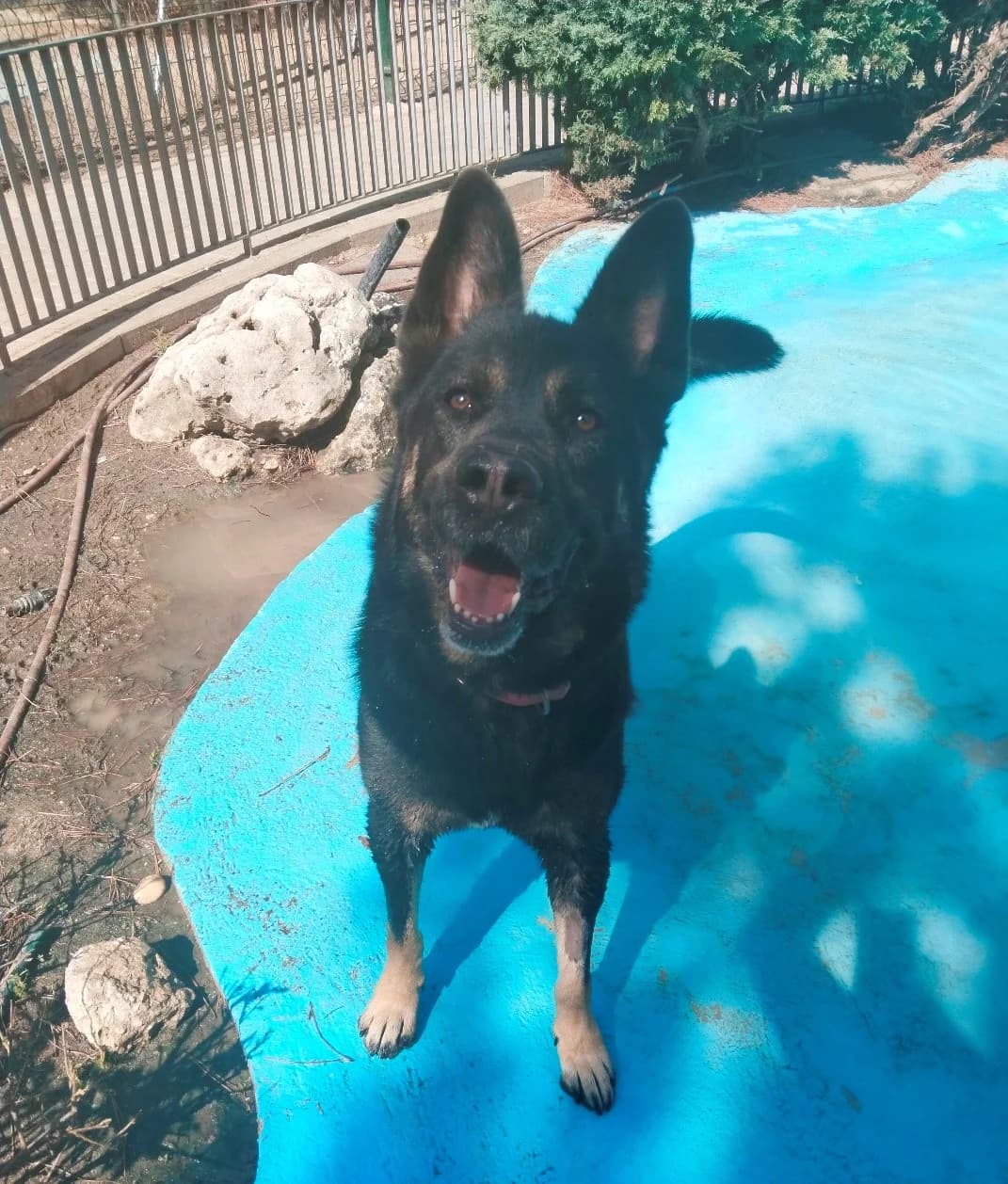
Mixed Breed · Unknown
In cabin also medium-large dogs. But is it always worth bringing the dog on board with us? The transportation of pets in the cabin is governed by EU Regulation 965/2012 and the IATA Guidelines - Live Animals Regulations (LAR), which require carriers to have a weight limit of 8 kg for transporting a dog in the cabin. Last year, however, ENAC - the Italian National Civil Aviation Authority - approved new guidelines that remove the weight limit and allow the transportation of pets weighing more than 8-10 kg in the cabin. Obviously, airlines are free to adopt or not adopt the new rules, which still impose suitable carriers for the journey, which can be secured to the seat (even above, if the plane model allows) and placed near the window. Among other measures indicated by ENAC for carriers, there is a maximum number of pets per flight, the possibility of creating "buffer zones" for those with allergies or who do not like proximity, and the determination of the total weight of the pet (which could therefore easily exceed 10 kg) and the carrier. But let's look at the new opportunity from the dog's point of view... Fortunately, it's a reality that, in social perception, the dog is increasingly considered a family member, but this must never mean that its ethological needs are neglected or completely ignored. Flying certainly cannot be considered an activity that is pleasant for those dogs, due to their personality, which might feel fear or even panic about an experience that translates into unfamiliar smells and noises, air pressure changes and stimuli (for example, during takeoff and landing) that can be stressful. And for a dog, regardless of its personality, it is certainly complicated - both physically and psychologically - to spend several hours in a carrier without ever being able to get out. Therefore, before deciding to fly with your dog, it is not enough to carefully and responsibly assess its ability to calmly handle the flight: the person responsible must first question whether it is appropriate or not to bring the dog along. Indeed, if it's a business trip or a two-week vacation, it is very likely that the dog would prefer to stay at home with a family member or a trusted friend or a professional dog sitter: in some cases, giving up the pleasure of having the dog with us will equate to a condition of greater well-being for him, which will be perfected even without our presence. Conversely, if the trip is to a location where you will stay for a long time, the airline transfer could certainly be the sacrifice asked of the dog to start a new life elsewhere with him. More information in our Guide "Flying with the Dog."
Read original (it)
In cabina anche cani di taglia medio-grande. Ma è sempre il caso di portare il cane in volo con noi? Il trasporto di animali domestici in cabina passeggeri è regolato dal Regolamento UE 965/2012 e dalle Linee guida IATA – Live Animals Regulations (LAR), che impongono ai vettori il limite di peso di 8 kg per il trasporto del cane in cabina. L'anno scorso, però, ENAC – l’Ente Nazionale italiano per l’Aviazione Civile – ha approvato nuove linee guida che eliminano il limite di peso e consentono il trasporto in cabina di animali domestici di peso superiore agli 8-10 kg. Ovviamente, le compagnie aeree sono libere di aderire o meno alle nuove regole, che comunque impongono trasportini idonei per il viaggio, che possano essere assicurati al sedile (anche sopra, se il modello di aereo lo consente) e da collocare vicino al finestrino. Tra le altre misure indicate da ENAC ai vettori sono previsti un numero massimo di pet per volo, la possibilità di creare “buffer zone” per chi ha allergie o non gradisce la vicinanza e la determinazione del peso totale del pet (che quindi potrebbe anche superare ampiamente i 10 kg) e del trasportino. Ma vediamo la nuova opportunità con gli occhi del cane… È fortunatamente una realtà che, nella percezione sociale, il cane sia sempre più considerato un membro della famiglia, ma ciò non deve mai comportare che le sue esigenze etologiche siano messe in secondo piano o addirittura del tutto ignorate. Volare non può certo essere annoverata tra le attività gradite almeno da quei cani che, in ragione della loro personalità, potrebbero provare timore se non addirittura panico per un’esperienza che si traduce in odori e rumori sconosciuti, vuoti d’aria e sollecitazioni (ad esempio al decollo e all’atterraggio) potenzialmente stressanti. E per un cane, a prescindere dalla personalità, è di certo anche complicato – sia fisicamente che psicologicamente – trascorrere alcune ore in un trasportino senza poter mai uscire. Dunque, prima di decidere di volare insieme al proprio cane, non basta una valutazione attenta e responsabile della sua capacità di affrontare in tranquillità il volo: l’umano di riferimento si dovrà interrogare anzitutto proprio sull’opportunità o meno di portare con sé il cane. Infatti, se si tratta di un viaggio di affari o di una vacanza di un paio di settimane è molto probabile che il cane preferisca rimanere a casa con un familiare o un amico fidato o una dog sitter professionale: in alcuni casi, saper rinunciare al piacere di avere con noi il cane equivarrà per lui a una condizione comunque di maggior benessere, che si perfezionerà anche senza la nostra presenza. Viceversa, se il viaggio è verso una località dove ci si fermerà per un lungo tempo, il trasferimento in aereo potrà essere sicuramente il sacrificio da chiedere al cane per ricominciare altrove la propria vita con lui. Altre informazioni nella nostra Guida “Volare con il cane”.
Free account — 10 contacts included
Listed 1 month ago