Adopt Il prezzo di vivere più a lungo
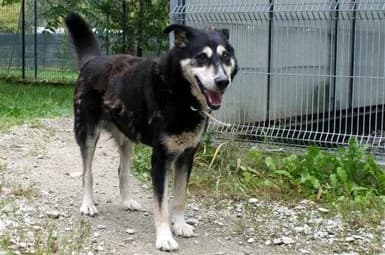
Mixed Breed · Unknown · Adult · 8 years
An elixir for a long life for dogs. In the last century, the American writer Agnes Sligh Turnbull had well expressed the regret of many humans that "the life of dogs is too short". Then veterinary and ethological sciences have recorded exceptional development and things have improved, but low longevity remains for dogs as "their only real fault". However, the elixir for a long life may have a name: Igf-1, the hormone that a team from an American biotechnology company is studying and experimenting to establish the correlation between its levels in circulation and the longevity of dogs. The goal (obviously with economic value) is to extend the life of large and giant dogs, which have life expectancies around 8 years, but also to increase that of medium-sized dogs that live on average about 15 years. For small dogs, however, their genetics already take care of it, as the Igf-1 hormone is present at low levels, resulting in them reaching and even surpassing 20 years of age. Therefore, the research aims to create a drug capable of reducing Igf-1 levels both in large dogs and in older ones, and the American company expects the arrival of the drug on the market by 2025. Igf-1 (or somatomedin) is a powerful cell growth factor and is part of a group of hormones (peptides) that are at the center of studies and debates for their effect, not yet fully clarified, on the life of mammals: for humans, it is discussed in reference to many organ diseases and neurodegenerative diseases (such as ALS, for example), but also simply to take a position for or against the consumption of milk and dairy products, foods in which the insulin-like growth factor (IGF-1) is among the hormones present that can support aging or cause cancer. Therefore, in the case of research on increasing the longevity of dogs, it is likely that among the main problems will not only be the price of this drug - a factor that seems to be the main obstacle in therapeutic use in human medicine - but also ethical and cultural issues that will have to be addressed and resolved, such as those related to the costs/benefits of prolonged life for the dog and not just for the individual human. At the moment, therefore, the only thing to really think about and reflect on is to commit to your dog (or cat, or ferret or rabbit) to improve the quality of existence guaranteed by a genetics that could, however, be compromised by the context in which it lives (food, care, physical and mental well-being): a commitment that must be fulfilled not only when it is young, strong and beautiful, but throughout the time it is present in our lives, until death do us part.
Read original (it)
Un elisir di lunga vita per i cani Nel secolo scorso, la scrittrice americana Agnes Sligh Turnbull aveva ben espresso il rammarico di tanti umani sul fatto che “la vita dei cani è troppo breve”. Poi le scienze veterinarie ed etologiche hanno registrato uno sviluppo eccezionale e le cose sono migliorate, ma la bassa longevità è rimasta per i cani ancora “la loro unica, vera colpa”. Ma l'elisir di lunga vita potrebbe avere un nome: Igf-1, ossia l’ormone che un’equipe di una società biotecnologica statunitense sta studiando e sperimentando per stabilire la correlazione tra i suoi livelli in circolazione e la longevità dei cani. L’obiettivo (ovviamente con valenza economica) è di prolungare la vita soprattutto ai cani di taglia grande e gigante, che hanno aspettative di vita intorno agli 8 anni, ma anche di aumentare quella dei cani di taglia media che mediamente vivono più o meno 15 anni. Per i piccoli, invece, ci pensa già la loro genetica, che fa sì che l’ormone Igf-1 sia presente a livelli bassi, col risultato di far loro raggiungere e superare anche i 20 anni di vita. La ricerca punta, dunque, a creare un farmaco in grado di ridurre i livelli di Igf-1 sia nei cani di taglia grande, sia in quelli anziani e la società statunitense prevede l’arrivo del farmaco sul mercato nel 2025. L’Igf-1 (o somatomedina) è un potente fattore di crescita cellulare e fa parte di quel gruppo di ormoni (peptidi) che sono al centro di studi e dibattiti per il loro effetto, non ancora del tutto chiarito, sulla vita dei mammiferi: per l’uomo se ne parla con riferimento a molte malattie degli organi e a quelle neurodegenerative (come la SLA ad esempio), ma anche semplicemente per schierarsi a favore o contro il consumo di latte e latticini, alimenti in cui il fattore di crescita insulino-simile (IGF-1) è tra gli ormoni presenti in grado di sostenere l'invecchiamento ovvero di provocare il cancro. Dunque, anche nel caso della ricerca sull’aumento della longevità dei cani, è probabile che tra i problemi principali non ci sarà solo il prezzo di questo farmaco – fattore che sembra essere l’ostacolo principale nell’uso terapeutico in ambito umano – ma anche questioni di tipo etico e culturale che andranno affrontate e risolte, come, ad esempio, quella relativa ai costi/benefici della vita prolungata per il cane e non soltanto per l'umano di turno. Al momento, quindi, l’unica cosa a cui davvero pensare e su cui davvero riflettere è di impegnarsi col proprio cane (o gatto, o furetto o coniglio) a migliorare la qualità dell' esistenza a lui garantita da una genetica che potrebbe però essere compromessa dal contesto in cui vive (alimenti, cure, benessere fisico e mentale): un impegno che va assolto non solo quando è giovane, forte e bello, ma per tutto il tempo della sua presenza nella nostra vita, ossia finchè…morte non ci separi.
Free account — 10 contacts included
Listed 1 month ago